Upper East Side: Classic Charm, Contemporary Life
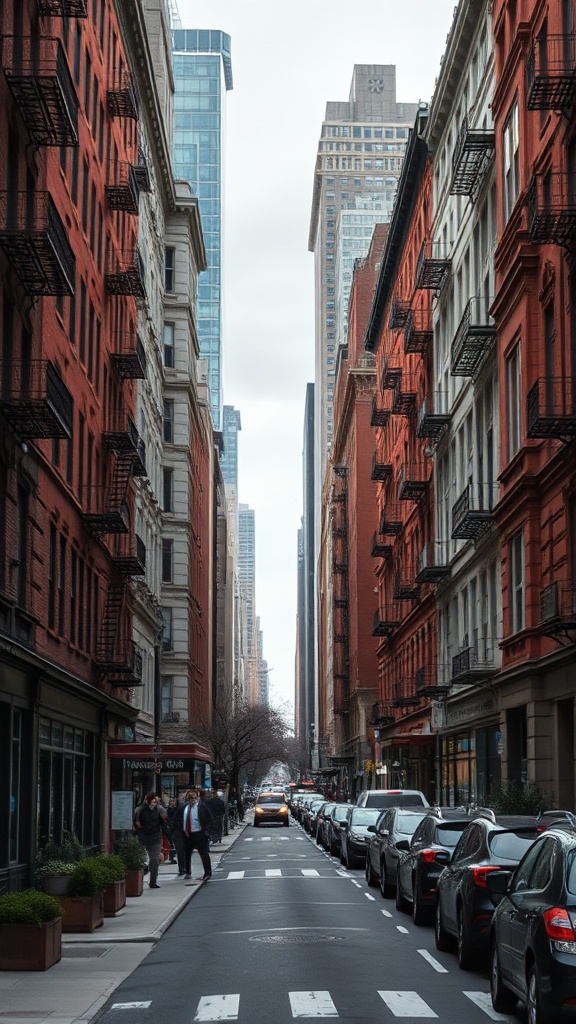
The Upper East Side remains one of Manhattan’s most distinctive neighborhoods, blending grand prewar architecture and tree-lined streets with contemporary boutiques, world-class museums, and a lively dining scene. Whether you’re considering a move, planning a weekend visit, or simply exploring locally, the neighborhood offers a surprising mix of timeless appeal and modern conveniences.
Culture and attractions
Museum Mile along Fifth Avenue is the neighborhood’s cultural spine. Major institutions anchor long stretches that invite slow, museum-by-museum days. Gallery openings, rotating exhibitions, and special evening programs keep the calendar active, while smaller private museums and design spaces offer focused experiences for architecture, decorative arts, and photography fans.
Nearby Central Park provides immediate access to green space for running, boating, or a quiet bench.
Residential character
The Upper East Side’s housing is famously varied: elegant prewar co-ops with high ceilings, limestone townhouses, and newer luxury condominiums with full-service amenities.
Buyers and renters often prioritize layout flexibility, outdoor space—balconies or access to private gardens—and proximity to top schools and medical centers.
Co-op board reviews remain a distinctive part of the market, so prospective residents should prepare thorough applications and references when touring co-op apartments.
Dining, shopping and daily life
Madison and Lexington Avenues feature a mix of flagship retailers, independent boutiques, and specialty food shops. Small bakeries, neighborhood delis, and high-end grocers make grocery runs convenient, while a growing café culture supports both early-morning commuters and long, laptop-friendly afternoons. Restaurants range from family-owned Italian eateries to inventive tasting-menu kitchens and casual neighborhood spots where regulars are greeted by name.
Parks, riverside and outdoor improvements
Beyond Central Park, the East River esplanade and smaller green spaces like Carl Schurz Park provide peaceful waterfront views and community programming.
City and neighborhood efforts have focused on improving pedestrian access, expanding bike lanes, and enhancing public seating—making it easier to enjoy the outdoors without leaving the neighborhood.
Transportation and accessibility
Multiple subway lines and bus routes connect the Upper East Side to Midtown, Lower Manhattan, and beyond. Recent expansions in local transit have improved cross-town accessibility, and commuter options are complemented by bike-share stations and convenient ferry stops for a scenic commute across the river. Walkability scores are high in many pockets, which keeps errands and social plans straightforward for residents.
What to keep in mind
– Real estate choices: Decide early whether a co-op or condo best suits your lifestyle; co-ops often have stricter approval processes, while condos offer more flexibility.
– Peak times: Museums, brunch spots, and popular sidewalks get busiest on weekends—book reservations where possible.
– Explore pocket neighborhoods: Each stretch from the park to the river has a distinct character—museum-goers, young families, and long-time residents all carve out different favorite blocks.
Top tips for visitors
Start with a single neighborhood anchor—an afternoon at one museum or a walk in Central Park—then branch out to a local cafe or a riverside stroll.
If you want an immersive experience, combine a museum visit with a nearby restaurant reservation to avoid peak wait times.
The Upper East Side continues to balance its storied past with steady, thoughtful updates that keep it livable and lively. Whether you value culture, calm residential streets, or convenient city life, it delivers a cohesive urban neighborhood experience.