Tribeca: Where Industrial Character Meets Refined City Life
Tribeca is one of Manhattan’s most distinctive neighborhoods, known for its wide cobblestone streets, converted industrial lofts, and a lively mix of culture, dining, and waterfront green space.
Once a manufacturing and shipping hub, the area has evolved into a quietly upscale enclave that attracts artists, families, and food lovers who value space, light, and neighborhood authenticity.
What to see and do
– Stroll the cobblestone blocks and admire the cast-iron facades and former warehouses now transformed into high-ceiling lofts and galleries.
– Visit Washington Market Park and small green pockets for relaxed mornings or a weekend picnic; Hudson River Park offers scenic waterfront paths and sweeping views.
– Explore independent art galleries and boutique design showrooms that reveal Tribeca’s creative undercurrent alongside established contemporary spaces.
– Check neighborhood calendars for the annual film festival that brings screenings, talks, and street-level buzz; it’s a great time to spot premieres and take advantage of pop-up events.
Dining and café culture
Tribeca’s dining scene blends elevated restaurants with casual neighborhood favorites. Expect everything from intimate Italian trattorias and New American kitchens to artisanal bakeries and specialty coffee shops. Many restaurants book up quickly, especially on weekends and during cultural events, so reserving ahead is a smart move.
For a relaxed meal, hunt down a neighborhood café for brunch or an early dinner on one of the quieter side streets.
Living in Tribeca
Loft living is a hallmark of Tribeca: large windows, exposed beams, and open layouts appeal to those who prioritize light and space.
The neighborhood attracts professionals and families alike, thanks to its quieter streets compared with midtown, excellent schools nearby, and convenient access to parks. Real estate trends skew high-end—expect boutique condo buildings, converted warehouses, and landmarked structures with designer finishes.
Getting around
Tribeca is easily walkable, and multiple transit options connect it to the rest of the city. Ferries and bike lanes along the waterfront provide scenic alternatives to the subway.
Walking remains the best way to discover tucked-away galleries, hidden courtyards, and neighborhood bars that don’t make tourist guides.
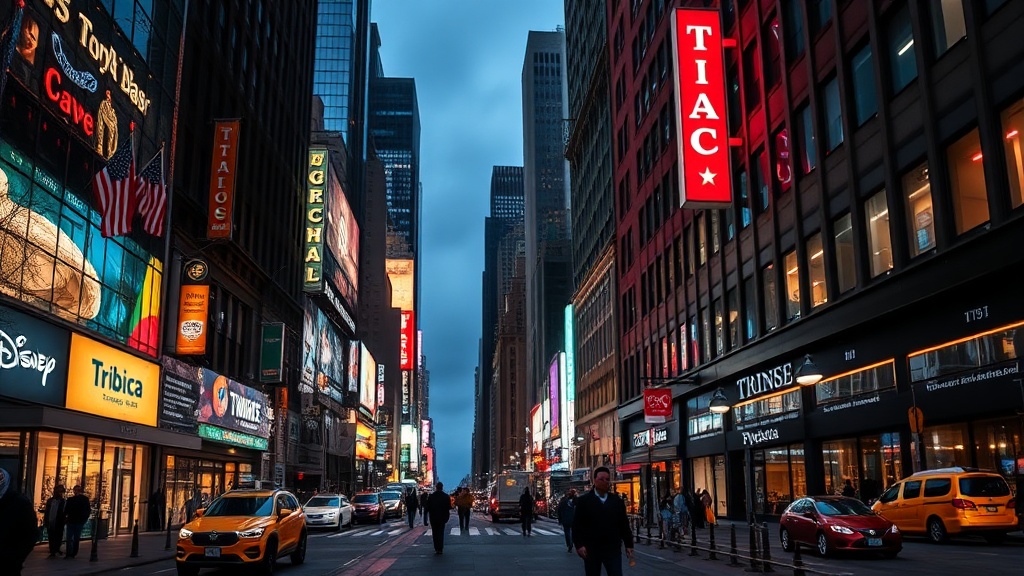
What locals appreciate
Residents prize Tribeca for its blend of calm and culture.
Cobblestone streets and historic architecture create a village-like atmosphere that coexists with Michelin-level dining and creative programming. Community-oriented markets and strong neighborhood groups also contribute to a sense of place that keeps Tribeca feeling lived-in rather than touristy.
Tips for visitors
– Go early to popular cafes and weekend markets to avoid lines.
– Wear comfortable shoes — cobblestones and uneven sidewalks are part of the neighborhood’s charm.
– Book restaurant reservations and festival tickets in advance.
– Spend time walking west toward the Hudson River Park for sunset views and quieter stretches.
Tribeca remains a compelling mix of old New York character and contemporary urban comforts. Whether you’re stopping by for a film screening, a meal, or a leisurely walk along the waterfront, the neighborhood rewards slow exploration and an eye for detail.