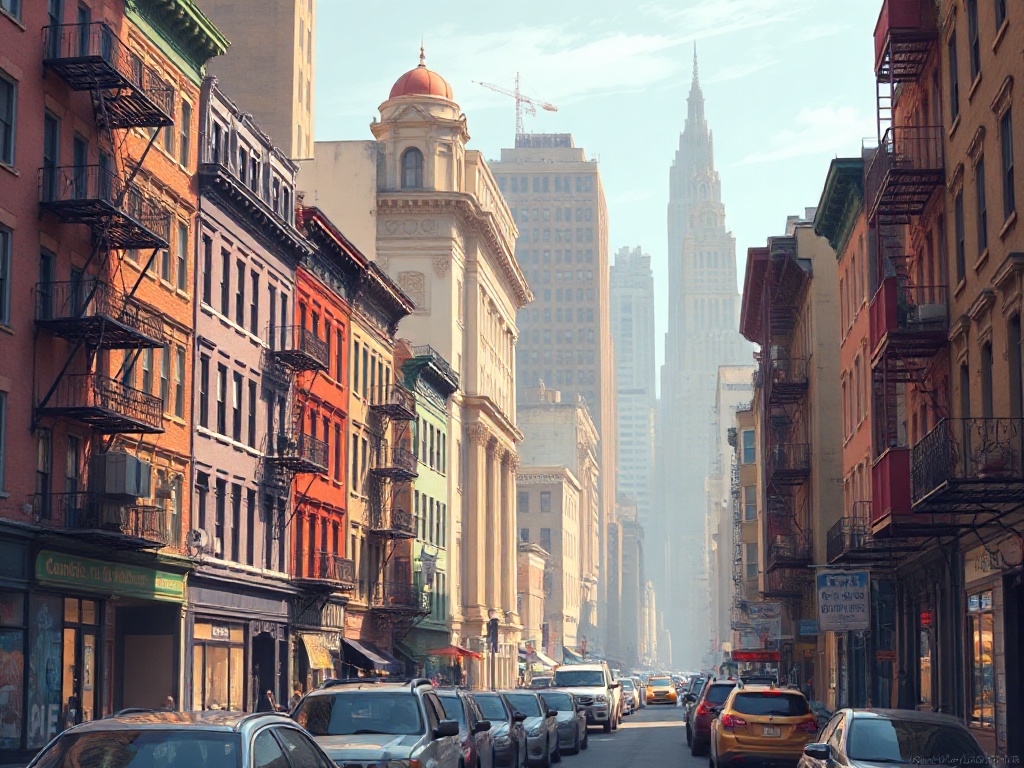
The Lower East Side remains one of the most magnetic neighborhoods in Manhattan, where immigrant history, late-night energy, and independent culture meet. A compact walking district, it’s the kind of place that rewards slow exploration: every block mixes old-school storefronts, cutting-edge restaurants, galleries, and pockets of unexpected green.
What to see and do
– History and culture: The neighborhood’s tenement legacy is visible in preserved buildings and museums that tell immigrant stories. Historic synagogues and cultural centers offer evocative exhibits and guided tours that illuminate daily life from past generations.
– Food and market culture: From legendary delis and bakeries to a revamped public market that gathers independent vendors under one roof, food is a major draw. Expect everything from classic sandwiches and dumplings to inventive small-plate tasting rooms and specialty coffee shops.
– Art and galleries: Independent galleries, experimental spaces, and rotating street art make the LES a visual feast. Gallery hops along side streets and pop-up exhibitions are common, so check listings before heading out.
– Nightlife and music: The area’s small music venues, cocktail bars, and late-night eateries create a lively after-dark scene. Whether you’re after intimate live sets, DJ nights, or craft cocktails, there’s a density of options that keeps the streets active well into the night.
– Green spaces and respite: Small parks, community gardens, and tree-lined blocks provide quiet contrasts to the bustling avenues — perfect for a pause between stops.
A simple walking route
Start near the northern edge and move south through the heart of the neighborhood to capture a mix of history, food, and culture.
Wander side streets to discover vintage shops, hole-in-the-wall eateries, and public art.
Allow time to linger at a market vendor, sit on a park bench, and step into a small gallery — those serendipitous moments are the LES’s specialty.
Practical tips for visitors
– Go hungry: Sampling several venues is the best way to experience the food scene. Share plates and try both old-school classics and modern interpretations.
– Time your visit: Weekday mornings and afternoons are ideal for quieter market browsing; evenings and weekends bring a high-energy nightlife scene.
– Pay attention to cash vs.
card: Many small vendors prefer contactless payments but some stalls still use cash, so bring a small amount on hand.
– Dress for walking: Cobblestones and uneven sidewalks are common on some blocks, so comfortable shoes help.
– Check listings: Galleries and independent venues frequently change programming.
A quick online check before you go will ensure you don’t miss a pop-up or special exhibit.
Why it still matters
The Lower East Side’s appeal comes from its layered identity: it preserves history while incubating new cultural trends. Tension between development and preservation has shaped its streetscape, but the neighborhood continues to sustain a creative ecosystem — from longtime family-run businesses to fresh culinary experiments and artist-run spaces. For visitors and locals alike, the best way to experience the LES is by walking, tasting, and letting curiosity steer the route. Plan loosely, follow a few recommendations, and leave time to wander — that’s how the neighborhood reveals its most memorable corners.