Grand Central remains one of the most visited and loved landmarks in the city — a working transit hub that doubles as an architectural icon and a lively public space. Whether planning a commute, a quick meal, or a photo stop, knowing how to navigate and appreciate the terminal makes a visit more rewarding.
What to see and do
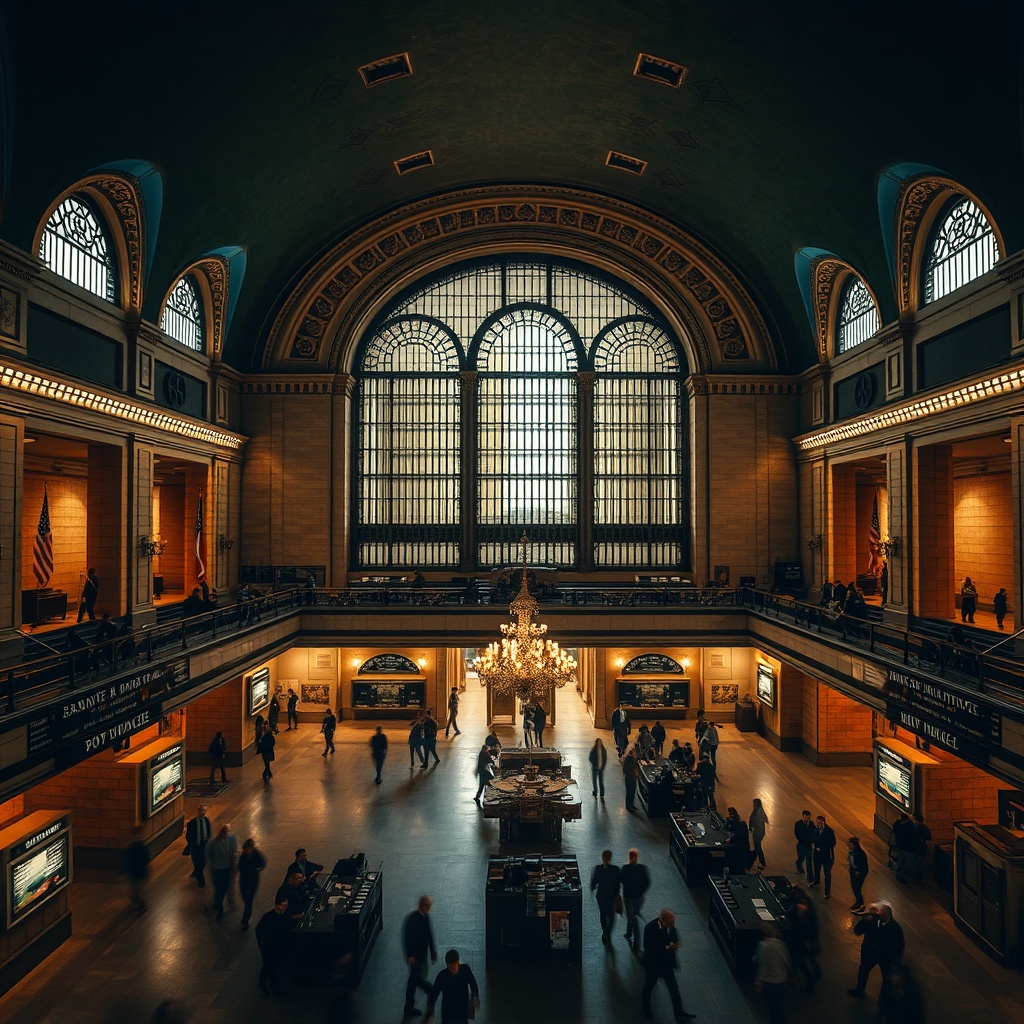
– Main Concourse: The soaring ceiling with its painted constellations is the first stop for most visitors.
The four-faced opal clock above the information booth is a classic meeting point and a favorite subject for photographers.
– Whispering Gallery: Near the Oyster Bar, a tiled archway creates a surprising acoustic trick where quiet whispers travel between opposite corners. It’s a fun, low-effort experience for families and couples.
– Vanderbilt Hall: Often used as an event space and pop-up market venue, this elegant room showcases the terminal’s original grandeur and hosts rotating cultural exhibits and events.
– Dining and shopping: The dining concourse and surrounding retail offer everything from quick bites to refined dining. Local purveyors and national concepts sit alongside specialty shops, making Grand Central a convenient spot for workday lunches and casual dining.
Transit and connectivity
Grand Central is a major rail hub that connects commuters to suburban rail lines and multiple subway routes. Real-time transit apps and digital displays inside the terminal make transfers smoother, while station staff provide assistance for first-time users. For visitors, the terminal’s central location makes it an ideal jumping-off point for exploring nearby neighborhoods.
Tips for visitors
– Beat the crowds by visiting early in the morning or during weekday off-peak hours. Late afternoons and weekend afternoons are typically busiest.
– For the best photos, capture the main concourse from the balcony or position yourself under the clock for a classic shot. Watch for natural light pouring through the east and west windows during the day.
– Security and accessibility: The terminal offers accessible routes, elevators, and assistance for travelers with mobility needs. Allow extra time if navigating with luggage or a stroller.
Preservation and upgrades
Ongoing preservation efforts have kept the terminal’s historic details intact while adapting the space to modern needs. Restoration work focuses on protecting architectural details, improving lighting and signage, and upgrading mechanical systems to be more energy-efficient. These improvements aim to preserve the landmark’s character while enhancing comfort and sustainability for millions of daily visitors.
Events and culture
Grand Central’s public spaces are used for cultural programming, seasonal markets, and art installations.
Pop-up shops and special events often populate Vanderbilt Hall and the dining concourse, drawing both locals and tourists. Keep an eye on the terminal’s event listings for unique exhibits and performances that activate the space beyond transit.
Why it matters
More than a station, Grand Central is a civic living room: a place where design, history, commerce, and daily life intersect. For commuters it remains indispensable; for visitors it offers a condensed experience of the city’s architectural ambition and urban rhythm. Observing the mix of purpose and beauty here is a reminder that well-designed public spaces continue to shape how people experience urban life.
Whether passing through between trains or staying to explore the shops and architecture, Grand Central rewards attention. Small details—brass fixtures, the reliefs above the entryways, and the hand-carved stonework—reveal themselves best when given a moment of pause.