East Village remains one of the city’s most magnetic neighborhoods — a tight-knit patchwork of punk history, creative energy, and evolving food and nightlife scenes.
Walkable and richly textured, it rewards exploration with an ever-changing mix of vintage shops, independent bookstores, late-night restaurants, and community spaces.
What to see and do
– Stroll the main thoroughfares and side streets to find colorful street art, small galleries, and vintage clothing stores that keep the neighborhood’s DIY spirit alive. St.
Mark’s Place is a must for people-watching, oddball storefronts, and countercultural flair.
– Spend time in Tompkins Square Park, a community hub for dog owners, outdoor performances, and seasonal markets. Nearby community gardens and pocket parks offer quiet alternatives to the busier blocks.
– Catch a reading, open mic, or spoken-word night at one of the neighborhood’s storied venues. The East Village has a long tradition of nurturing writers, spoken-word artists, and emerging musicians.
– Explore the food scene from early-morning coffee shops to late-night eateries. The neighborhood blends longtime staples with newer spots serving plant-forward, international, and comfort-food menus. Late-night diners, pizza by the slice, and creative cocktail bars all coexist within a few blocks.
Culture and history
The neighborhood’s identity grew from a mix of immigrant communities, artists, and activists. That history is visible in small theaters, murals, and longtime cultural institutions that continue to host experimental theater, punk and indie shows, and community arts programs.
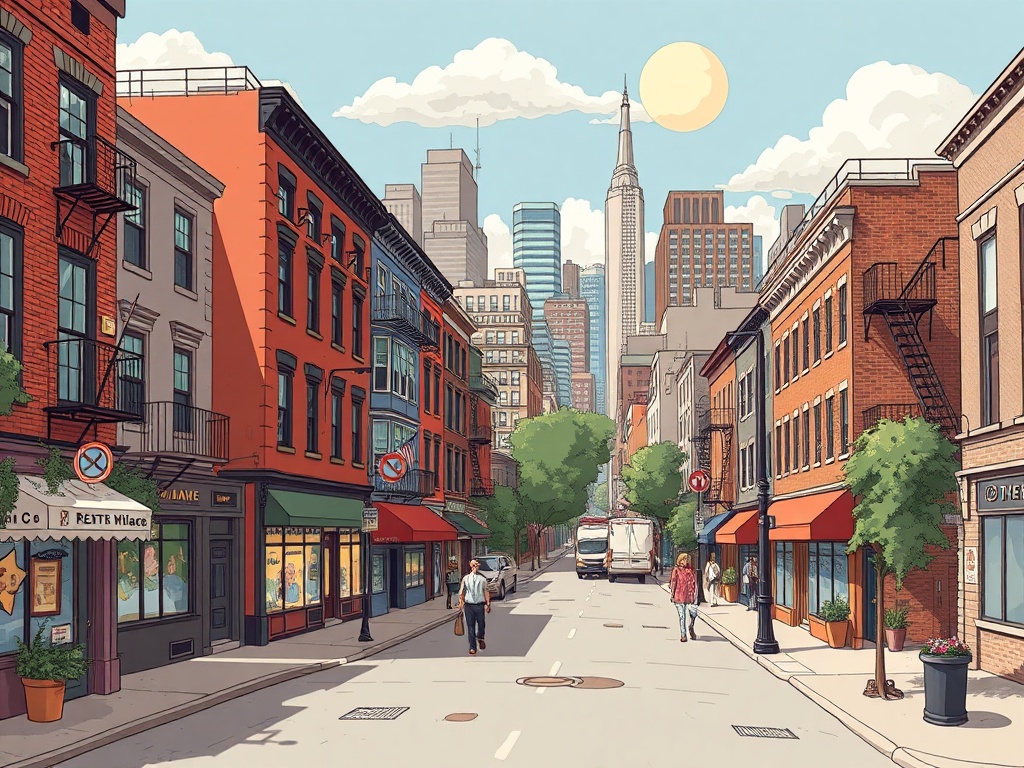
The East Village legacy of counterculture has shifted over time, but the area still champions artistic risk-taking and community-driven events.
Shopping and nightlife
Independent retailers remain the backbone of East Village commerce. From rare vinyl and vintage clothing to artisanal home goods and indie bookstores, the shopping scene favors the unique over the mainstream. Nightlife ranges from no-frills dive bars and karaoke rooms to intimate cocktail lounges and late-night music venues. Many establishments focus on sustainability, local sourcing, and craft techniques that appeal to discerning locals and visitors.
Community and change
Like many desirable urban neighborhoods, East Village faces pressures from rising rents and redevelopment. Community groups, tenant associations, and local activists play active roles in preserving affordable housing and protecting cultural landmarks. Small-business resilience is visible in pop-up markets, cooperative ventures, and neighborhood festivals that prioritize local makers.
Tips for visiting
– Go on foot to soak up the neighborhood’s textures — graffiti, window displays, and small cafes are best discovered slowly.
– Weeknights and late afternoons offer a chance to enjoy quieter galleries and weekday specials at restaurants; late evenings bring lively music and bar scenes.
– Seek out community events, markets, and readings to connect with the neighborhood’s creative pulse.
Why it matters
East Village remains a compelling example of urban cultural resilience: a place where creativity, activism, and grassroots commerce converge.
For visitors and locals alike, its layered streets offer discoveries around every corner — whether the goal is a great meal, an offbeat show, or simply the experience of a neighborhood that keeps reinventing itself while holding on to what made it notable in the first place.