Tribeca continues to stand out as one of Manhattan’s most desirable neighborhoods, blending industrial charm with refined urban living. Once an industrial district of warehouses and shipping lofts, the area now offers cobblestone streets, converted lofts, art galleries, and a culinary scene that draws locals and visitors alike.
For anyone planning a visit or considering a move, Tribeca delivers a unique mix of culture, green space, and upscale neighborhood amenities.
Why Tribeca attracts attention
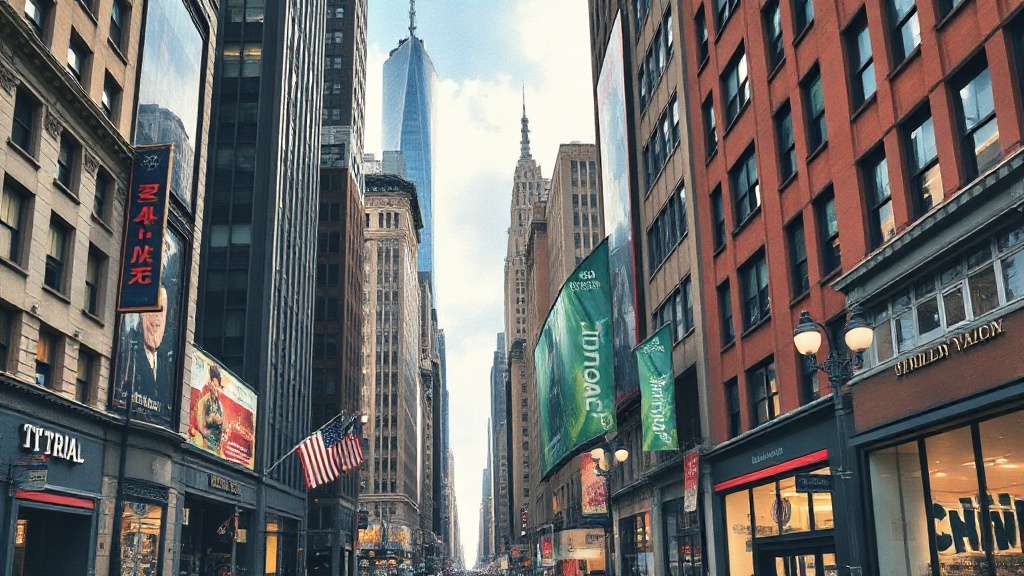
The neighborhood’s architecture is a major draw. High ceilings, large windows, and exposed brick are hallmarks of the residential conversions that define Tribeca’s character. Boutique shops and galleries populate ground floors while quiet, tree-lined residential blocks give the area a village-like feel despite its proximity to downtown’s business corridors. The waterfront access along the Hudson River Park provides recreational space and scenic views, making Tribeca a rare blend of urban energy and relaxed outdoor life.
Dining, coffee, and nightlife
Tribeca’s dining scene caters to a range of tastes: refined bistros, contemporary American kitchens, intimate wine bars, and inventive casual spots. Popular restaurants often combine seasonal produce with inventive menus, while neighborhood cafés and bakeries are perfect for slow mornings. Nightlife tends to lean more restrained than nearby neighborhoods: think craft cocktails, cozy lounges, and late-night dining rather than loud club scenes, making it appealing to those who prefer sophisticated evenings.
Arts, culture, and events
Culture is central to Tribeca’s identity. Galleries showcase contemporary art, and independent theaters and screening venues host film series and premieres. The neighborhood also supports community-driven events and street fairs that highlight local vendors and artists.
A major annual film event brings filmmakers and film lovers to Tribeca, spotlighting storytelling across genres and formats and generating buzz that benefits local businesses and cultural venues.
Outdoor spaces and family-friendly amenities
Tribeca is surprisingly family-friendly for such a central neighborhood.
Small parks and playgrounds offer safe places for children to play, while larger stretches of Hudson River Park provide jogging paths, sports fields, and waterfront relaxation. Pier 25 is a particular magnet for families and active residents, offering mini-golf, beach volleyball, and open lawns for picnics.
Community programming often includes outdoor fitness classes, seasonal markets, and kid-focused activities that add to neighborhood vibrancy.
Living in Tribeca
Residential life in Tribeca combines luxury and historic charm. Many buildings feature concierge services, fitness centers, and private outdoor spaces. The local real estate market attracts professionals, families, and creatives seeking spacious loft-style residences with easy access to downtown and the rest of the city. Recent development emphasizes sustainability and resiliency, with many projects incorporating green roofs, energy-efficient systems, and improved flood protection along the waterfront.
Practical tips for visitors
– Walk as much as possible: the neighborhood’s cobblestones and scenic streets are best experienced on foot.
– Explore side streets: some of Tribeca’s most charming shops and cafés sit just off the main avenues.
– Reserve for dinner: popular restaurants can book up quickly, especially on weekends and during cultural events.
– Combine activities: pair a morning stroll along the Hudson with gallery hopping and a relaxed meal at a local bistro.
Tribeca offers a sophisticated, lived-in neighborhood feel that appeals to both visitors and residents.
With its blend of historic buildings, thoughtful public spaces, and a lively cultural calendar, it remains a standout destination for experiencing Manhattan from a refined, community-oriented perspective.