Lower East Side: Where History, Food, and Creative Energy Converge
The Lower East Side (LES) is a compact neighborhood with a layered personality: immigrant history, a restless art scene, an evolving food landscape, and nightlife that keeps changing with each season. For visitors and locals alike, it’s a place to walk, eat, discover, and debate what’s worth preserving.
What to see and do
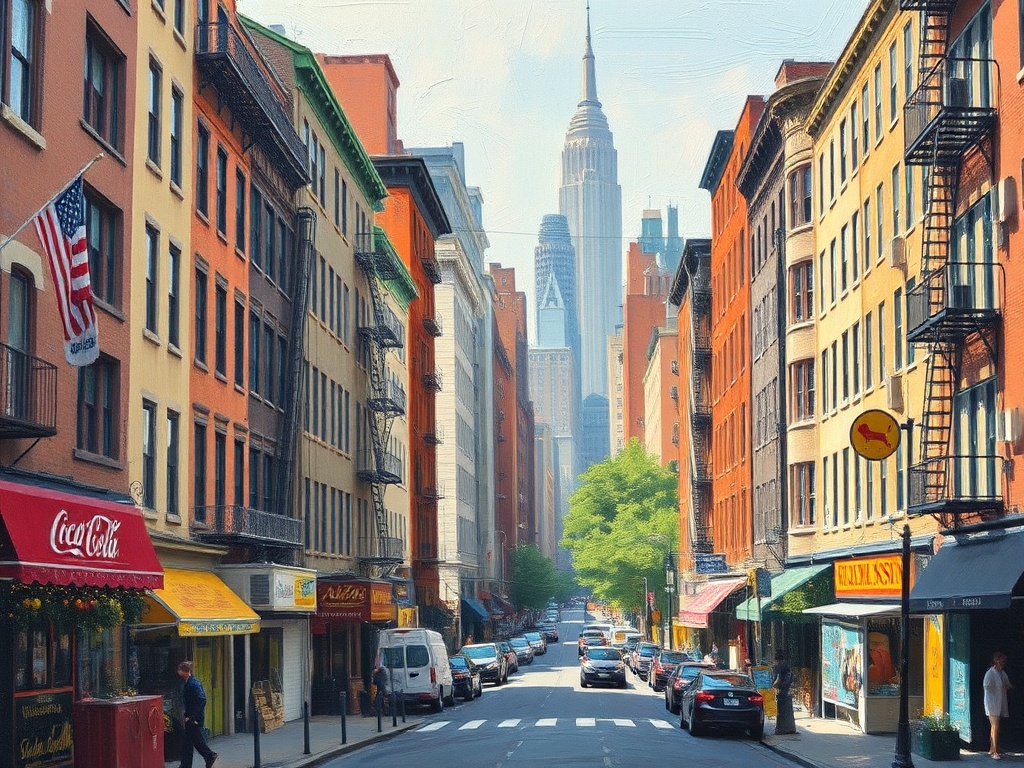
– Tenement Museum: A flagship cultural site that gives immersive insight into immigrant life through preserved apartments and guided tours. The storytelling here brings neighborhood history to life.
– Essex Market: A lively indoor market where independent vendors sell everything from specialty cheeses and fresh produce to artisanal snacks and global street food. It’s perfect for grazing or assembling a picnic.
– Katz’s Delicatessen: An iconic deli known for hearty sandwiches and old-school ambiance. Expect classic deli fare and a bustling counter experience.
– Orchard and Ludlow Streets: These corridors showcase boutique shopping, vintage stores, and an array of restaurants.
Window-shopping here often turns into spontaneous lunch stops.
– Street art and galleries: Small contemporary galleries, pop-up shows, and large-scale murals make the LES a magnet for art lovers. Look for openings and gallery walks to catch local talent.
– Community green spaces: Scattered gardens and small parks offer peaceful pockets amid the urban grid—great for a break between visits to museums and markets.
Food and drink
Culinary diversity defines the LES. From reimagined bodega snacks and craft cocktail bars to bold modern takes on immigrant comfort food, the neighborhood serves a range of flavors. Small plates and chef-driven tasting menus coexist with family-run eateries and late-night counters. For a quintessential experience, pair a market lunch with a walk through the side streets until you find a neighborhood bar or rooftop with skyline views.
Culture and community
The neighborhood’s identity is shaped by waves of newcomers and longtime residents. Historic tenements, synagogues, and social clubs sit alongside new cultural venues and creative workspaces. That mix fuels ongoing conversations about authenticity, affordability, and the need to preserve community institutions while welcoming new businesses.
Nightlife and music
Evenings on the LES are lively but varied: intimate music venues host indie and jazz shows, speakeasy-style cocktail bars experiment with craft spirits, and late-night eateries stay open for post-show crowds. If looking for live music or a DJ set, check venue calendars and book ahead when possible.
A simple walking route
Start at the market to pick up snacks, head down Orchard Street for shops and thrift finds, swing by the Tenement Museum for a tour, then stroll Ludlow Street for dinner and a drink. End the night at a low-lit bar or catch a set at a nearby music venue to complete the LES experience.
Practical tips
– Wear comfortable shoes: streets are best explored on foot.
– Weekdays tend to be calmer for museum visits and market browsing; weekends bring peak crowds.
– Reservations are recommended for popular restaurants; many spots also accept walk-ins.
– Bring a reusable bag for market purchases and a light jacket for waterfront breezes at dusk.
Why visit
The Lower East Side remains one of the city’s most dynamic neighborhoods—small enough to explore in a day but rich enough to invite repeat visits.
Whether your interest is food, history, art, or simply people-watching, the LES offers a compact, authentic slice of urban life that keeps evolving while honoring its roots.