Harlem: A Living Tapestry of Music, Food, and Community
Harlem remains one of the richest cultural neighborhoods in New York City, blending deep historical roots with a vibrant contemporary scene. Visitors and locals alike are drawn to its music legacy, soulful dining, public art, and resilient community institutions. Whether you’re exploring on foot or seeking out a live music night, Harlem rewards curiosity and respectful engagement.
Cultural Landmarks and Music
The neighborhood’s music legacy is palpable. Legendary venues continue to host jazz, gospel, R&B, and spoken-word performances that echo a tradition of artistic innovation. The Apollo Theater anchors the cultural corridor, regularly showcasing both emerging talent and established performers. Small clubs and intimate listening rooms keep jazz and improvisational music alive, while churches open their doors for stirring gospel services that offer a powerful window into community life.
Dining: From Soul Food to New American
Harlem’s dining scene is a delicious collision of tradition and reinvention.
Longstanding soul food restaurants share blocks with contemporary chefs reimagining Southern and global flavors. Expect plates that honor comfort-food classics alongside inventive menus that highlight seasonal and locally sourced ingredients. Cafés, bakeries, and late-night spots make the area lively at many hours, providing snacks, cocktails, and meals that satisfy a wide range of tastes.
Art, Galleries, and Public Sculpture
Artful expression is visible on street corners, gallery walls, and in public installations.
Renowned institutions and smaller independent galleries both showcase work by Black artists and creatives of many backgrounds. Street murals and community art projects create ever-changing open-air galleries, reflecting local stories and social themes.
Museum exhibitions, artist talks, and gallery openings are reliable ways to tap into Harlem’s artistic conversations.
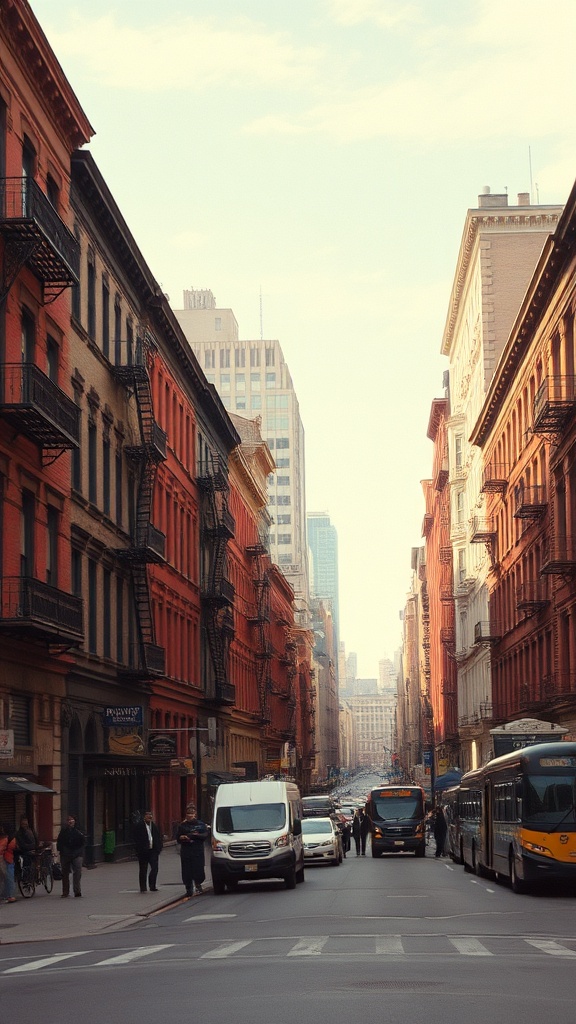
Historic Architecture and Neighborhood Walks
Strolling through Harlem reveals rows of elegant brownstones, tree-lined avenues, and architectural details that tell a story of the neighborhood’s growth and identity. Guided walking tours focus on music history, civil rights landmarks, and literary paths, while self-guided routes allow for a slower, more personal discovery of side streets and hidden courtyards. Photography enthusiasts will find plenty of textured facades and candid street scenes.
Community, Change, and Responsible Visiting
Harlem has experienced change alongside longstanding traditions.
Community organizations, local small businesses, and cultural institutions work to preserve heritage while fostering new opportunities. Visitors can contribute positively by shopping local, attending neighborhood performances, and learning about community-led initiatives. Respectful tourism—listening to residents, supporting local entrepreneurs, and avoiding exploitative behaviors—helps sustain the neighborhood’s vitality.
Practical Tips
– Go by foot when possible; many highlights are clustered and best appreciated up close.
– Check venue schedules in advance; performances and exhibitions often occur during evenings and weekends.
– Try a mix of places: a historic venue, a hole-in-the-wall eatery, and a contemporary gallery for a balanced experience.
– Be mindful when photographing people or private spaces; ask before taking close-up portraits.
Harlem’s energy is both historic and current, offering visitors layers of music, food, art, and community life.
Approach the neighborhood with curiosity and respect, and you’ll leave with memorable performances, flavorful meals, and a deeper appreciation for one of the city’s most storied cultural centers.