Meatpacking District: Bold, Walkable, and Always Reinventing
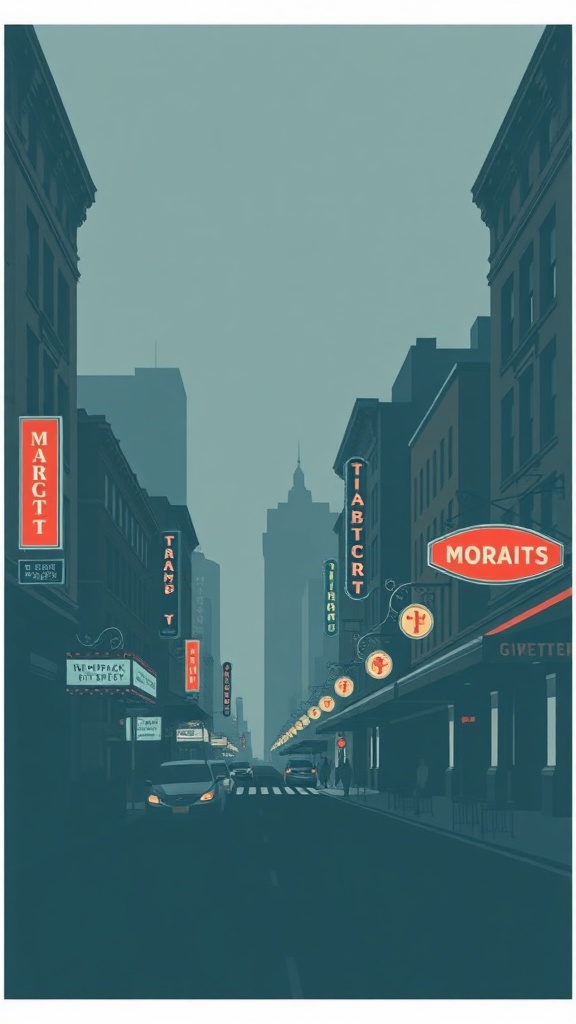
Once known for slaughterhouses and rail yards, the Meatpacking District has become one of the city’s most dynamic neighborhoods. A compact slice of downtown offers an appealing mix of cobblestone streets, industrial architecture, elevated parks, and a curated lineup of dining, shopping, and cultural attractions.
What to see and do
– The High Line: This elevated park transformed industrial tracks into a lush, linear greenway that links the neighborhood with Chelsea and Midtown. It’s ideal for a leisurely stroll, seasonal planting displays, and views of the Hudson and city skyline.
– Chelsea Market: Housed in a historic factory building, the market is a food-lover’s destination with artisanal vendors, bakeries, seafood counters, and specialty shops. It’s also a good starting point for a self-guided food crawl.
– Art and galleries: The area retains a strong gallery presence alongside public art and pop-up exhibition spaces. Small contemporary galleries and creative showrooms make wandering the side streets rewarding.
– Museums and cultural anchors: The southern end of the High Line opens near a major museum known for modern and contemporary art, offering rotating exhibitions and a rooftop with city views.
– Nightlife and rooftop bars: The neighborhood keeps a lively after-dark scene with cocktail bars, club venues, and rooftops that attract both locals and visitors looking for energy and views.
– Boutique shopping and showrooms: Designer boutiques, flagship stores, and emerging-label showrooms showcase fashion-forward retail in repurposed industrial spaces.
Practical tips for visiting
– Walkable layout: The district is highly walkable; plan to explore on foot to enjoy cobblestones, converted warehouses, and small public plazas. Comfortable shoes are recommended because surfaces can be uneven.
– Best times: Daytime is ideal for markets, galleries, and the High Line; early evenings suit drinks and rooftop views.
Weekends can be crowded, so consider weekday visits for a quieter experience.
– Getting there: The neighborhood connects easily to adjacent areas like Chelsea and the West Village. Multiple transit options and buses serve the area; parking is limited, so public transit or rideshares are preferable.
– Dining styles: Options range from casual stalls and seafood counters to chef-driven tasting menus. Reservations are recommended for popular dining rooms and tasting menus.
– Safety and accessibility: The area is lively and patrolled; watch for bike and pedestrian traffic on shared paths and follow posted accessibility routes, as some historic buildings have limited entry access.
Why it still matters
The Meatpacking District remains a case study in adaptive reuse and urban reinvention.
Industrial bones give the neighborhood texture while contemporary programming—public parks, curated retail, and cultural institutions—keeps it relevant. It’s a neighborhood that balances daily life with destination energy: a place to shop and eat, a place to meet friends for drinks, and a place to experience rotating cultural moments.
Insider suggestions
– Start at the market and work west toward the river to experience a natural progression from food halls to public greenway and viewpoints.
– Look for off-the-beaten-path galleries and smaller eateries on side streets for quieter, memorable finds.
– Time visits to the High Line during non-peak hours for better photos and a calmer stroll.
Whether you’re exploring for a day or scouting the area for longer stays, the Meatpacking District offers a concentrated urban experience where history, design, and nightlife meet in one highly walkable neighborhood.