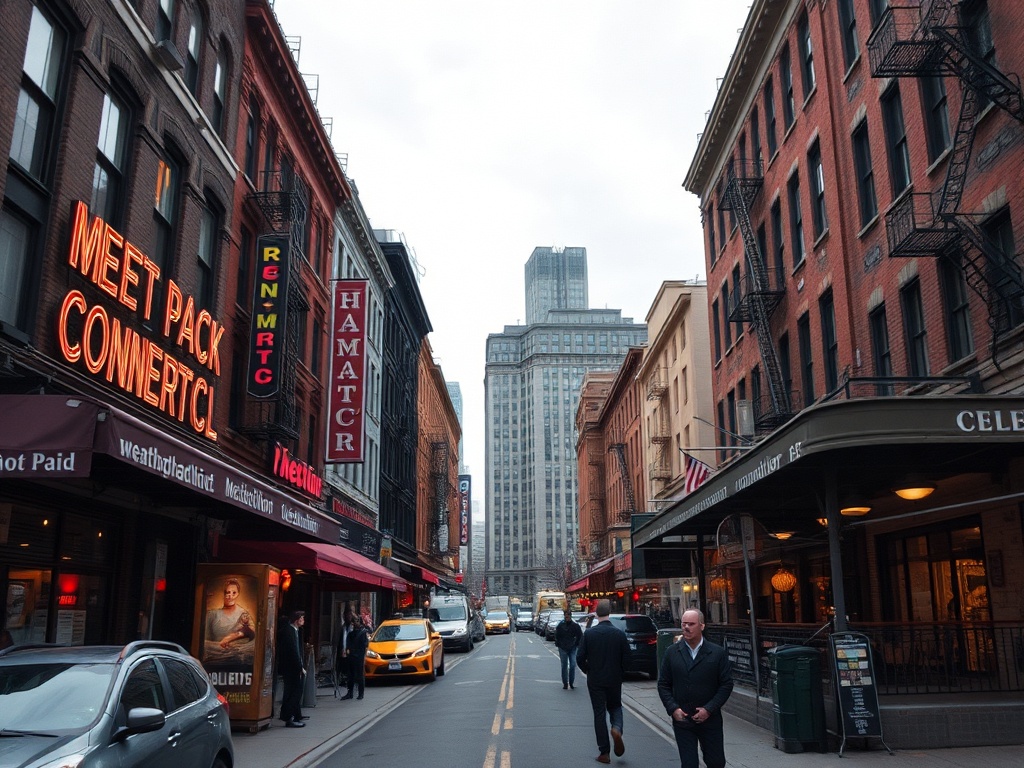
The Meatpacking District has become one of the most dynamic neighborhoods for culture, food, shopping, and design. Once known for its industrial warehouses and wholesale meat markets, the area reimagined itself through adaptive reuse—transforming sturdy brick buildings and cobblestone streets into a lively mix of galleries, boutiques, and nightlife while keeping its gritty charm.
What to see and do
– Walk the High Line’s southern entrance: The elevated park hugs the neighborhood’s edge, offering curated plantings, public art, and views over the Hudson River and city rooftops. It’s a great way to orient yourself and discover small galleries and pop-ups along the way.
– Visit Chelsea Market and nearby food halls: This indoor market is a magnet for food lovers, with artisanal vendors, specialty shops, and chef-driven stalls.
It’s ideal for sampling a range of cuisines in one stop.
– Explore contemporary art at the Whitney and local galleries: The contemporary museum anchors the neighborhood, and dozens of smaller galleries and design showrooms concentrate cutting-edge work in fashion, photography, and visual arts.
– Shop high-fashion and independent labels: The district mixes flagship designer stores with independent boutiques and concept shops—perfect for curated finds.
– Soak up nightlife and rooftop culture: From intimate cocktail bars to rooftop terraces with skyline views, the neighborhood’s night scene remains vibrant and varied.
Why it works
The Meatpacking District stands out because of its balance between preservation and innovation. Developers and local businesses have maintained historic facades and cobbled streets while introducing modern retail, dining, and public spaces. This fusion creates a textured neighborhood experience: polished interiors and elevated cuisine sit alongside visible reminders of the area’s industrial past.
Practical tips for visitors
– Timing: Weekdays offer calmer browsing in stores and galleries; late afternoons and evenings bring livelier dining and nightlife. Weekends can be crowded, especially around popular food destinations and the High Line.
– Getting around: The area is walkable and centrally located, making it easy to explore on foot. Public transit and rideshares are convenient; parking is limited and often expensive.
– Reservations: Popular restaurants, rooftop bars, and museum time slots fill up—booking in advance helps avoid disappointment.
– Dress and footwear: Cobblestones and uneven sidewalks are part of the district’s character—comfortable shoes are recommended.
– Safety and etiquette: The neighborhood is generally safe and tourist-friendly. Be mindful of cyclists and pedestrians on narrow streets, and respect gallery and museum photography policies.
Sustainability and community
Recent development has leaned toward more sustainable practices and community-oriented programming. Many venues host rotating exhibits, local designer pop-ups, and culinary collaborations that support small businesses and emerging artists. Public spaces and green design—like plantings along the High Line—help offset urban density and make the neighborhood inviting year-round.
Insider considerations
– Look for weekday gallery openings and artist talks to meet creatives and collectors.
– Explore side streets for lesser-known cafés, vintage shops, and tiny art spaces that capture the neighborhood’s evolving spirit.
– Combine a High Line stroll with a market visit and a museum stop to experience the district’s highlights in a single outing.
The Meatpacking District remains a compelling destination because it continuously reinvents itself while honoring its past.
Whether you’re there for a museum visit, a curated shopping day, or an evening out, the neighborhood rewards slow exploration and curiosity.