East Village remains one of the city’s most magnetic neighborhoods — a tight-knit blend of counterculture history, creative energy, and a constantly evolving food and nightlife scene. Whether you wander down St. Mark’s Place, linger in Tompkins Square Park, or duck into a side-street gallery, the neighborhood rewards curiosity with an offbeat mix of old-school grit and new-wave creativity.
Culture and creativity
The East Village’s artistic legacy is palpable. Historic punk and avant-garde movements left a lasting imprint, and that DIY spirit now fuels independent galleries, experimental theater spaces, and spoken-word venues. Street art and large-scale murals add color to formerly blank walls, while community-run project spaces showcase emerging talent that often flies under mainstream radar.
For those who prefer quieter cultural pursuits, small bookstores, record shops, and vintage clothing stores offer hours of browsing.
Food and drink
Dining in the East Village is a study in diversity. Longstanding diners and mom-and-pop eateries sit beside focused specialty spots — ramen counters, Ukrainian bakeries, vegan cafés, and inventive tasting menus. Late-night options are plentiful, reflecting the neighborhood’s reputation as a place to eat and socialize after other parts of the city have quieted down. Cocktail bars range from minimalist speakeasies to lively beer halls, and many establishments prioritize local suppliers and seasonal menus.
Parks, community spaces, and green pockets
Tompkins Square Park is the neighborhood’s social heart: a place for concerts, free fitness classes, farmers’ markets, and the lively dog run that draws residents and visitors alike. Scattered community gardens reclaim small plots of land as green spaces and gathering spots, often maintained by neighborhood volunteers. These gardens and parks not only provide relief from the urban grid but also function as hubs for local activism and neighborhood organizing.
Local character and challenges
The East Village is prized for its authenticity, but the neighborhood continues to wrestle with broader urban pressures. Rising rents and redevelopment threaten longtime residents and small businesses, prompting strong community responses. Local community boards, tenant groups, and small-business coalitions are active, advocating for preservation, affordable housing, and support programs that help maintain the neighborhood’s diversity. This tension between change and continuity makes the East Village a neighborhood in motion — and a focal point for conversations about urban life and cultural preservation.
Practical tips for visiting
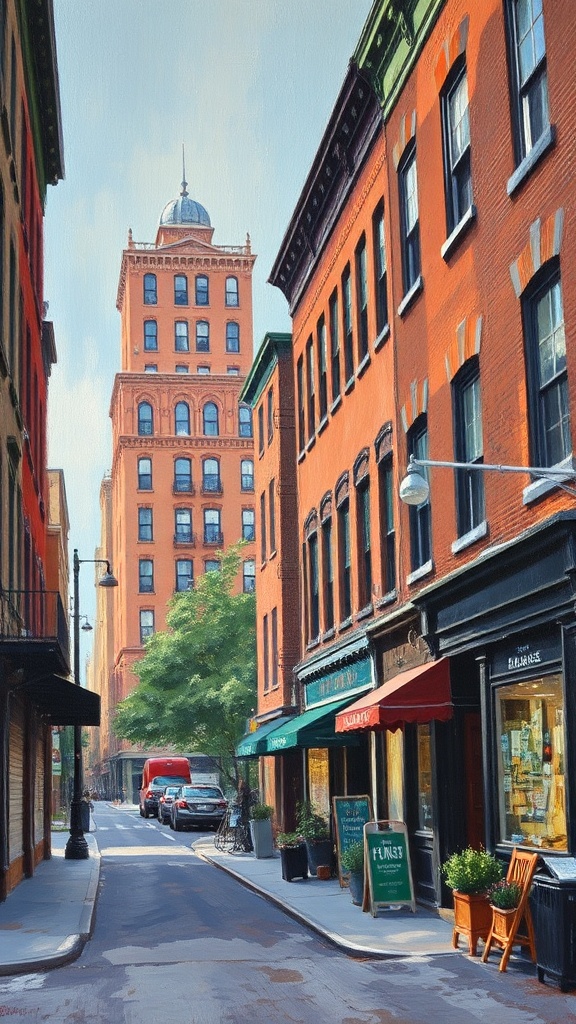
– Walk rather than drive: the best discoveries happen off the main thoroughfares.
– Explore side streets for murals, hidden bars, and independent shops.
– Try a mix of established classics and newer spots to get a full sense of the culinary range.
– Be mindful of residents — respect noise levels late at night and follow local park rules.
– Check community calendars for pop-up markets, outdoor performances, and gallery openings.
Why it matters
The East Village’s vitality comes from its capacity to reinvent while still honoring the people and movements that shaped it. For visitors and locals alike, it offers an authentically layered urban experience: part living history, part cultural laboratory, and part neighborhood bakery where the barista remembers your order. Exploring it thoughtfully reveals the small-scale scenes and personal stories that continue to define one of the city’s most compelling quarters.