Lower East Side: Where Neighborhood Grit Meets Contemporary Culture
The Lower East Side (LES) remains a magnetic slice of Manhattan where immigrant history, pioneering food, and a lively arts scene come together.
Once defined by crowded tenements and bustling markets, the neighborhood now balances preservation with reinvention — a place where historic delis sit beside avant-garde galleries and late-night venues.
A living history
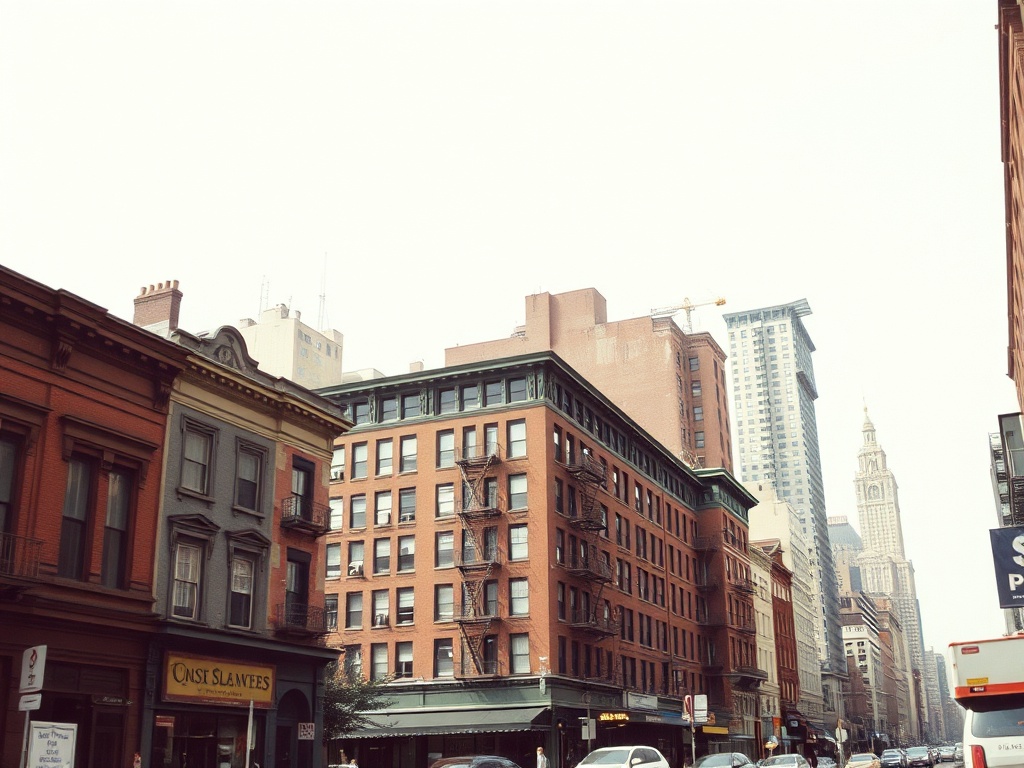
The story of the LES is visible on the streets. Tenement buildings, community gardens, and long-standing institutions recall the neighborhood’s immigrant roots. Historic sites and neighborhood museums interpret that past while community groups work to preserve architectural character and affordable spaces for residents. Walking the area offers a tangible sense of continuity between the generations that settled here and the creatives who shape it today.
Food and markets
Food culture is central to the LES identity.
A famous deli still draws long lines for classic sandwiches, while a modern public market showcases local vendors turning produce and pantry staples into inventive meals and artisan goods. Orchard Street and the surrounding blocks are full of eateries serving everything from handmade dumplings and specialty ramen to contemporary takes on Jewish and Latin flavors. Small bakeries, specialty coffee shops, and late-night joints make the area a go-to for diverse culinary experiences.
Art, nightlife, and music
The LES has an enduring reputation as an incubator for art and music. Galleries mix established names with emerging artists, giving visitors an accessible route through contemporary trends.
Street art and colorful murals animate many side streets, creating an outdoor gallery that changes frequently. After dark, intimate music venues and speakeasy-style bars keep the neighborhood’s nightlife eclectic — from indie shows and DJ nights to jazz and experimental performances.
Shopping and boutique culture
Vintage shops and independent fashion boutiques pepper the neighborhood, offering curated finds that reflect the LES’s mix of heritage and innovation. Pop-up stores and concept shops frequently appear, making window-shopping a discoverable adventure.
Local designers often use these spaces to test new ideas and connect directly with customers.
Community and change
Like many vibrant urban neighborhoods, the LES faces pressures from rising rents and development.
Local nonprofits, tenant associations, and cultural organizations work to protect affordable housing, maintain community gardens, and support small businesses.
Those efforts aim to keep the neighborhood accessible to artists, longtime residents, and newcomers who contribute to its character.
Practical tips for visitors
– Start at the market to sample local vendors and pick up specialty items.
– Walk Orchard, Ludlow, and Chrystie streets to find galleries, vintage shops, and murals.
– Time a visit to an intimate music venue or a small gallery opening for a true LES experience.
– Explore side streets where community gardens and small eateries reveal quieter corners of the neighborhood.
– Respect residents and local businesses: many favorites thrive because of neighborhood support.
Why it matters
The Lower East Side continues to be a blueprint for urban creativity: a place where history informs contemporary culture and where grassroots initiatives aim to shape sustainable growth. Whether drawn by food, art, music, or architecture, visitors and locals find a neighborhood that keeps reinventing itself while holding on to what made it meaningful in the first place.