Harlem remains one of the city’s most vibrant cultural neighborhoods, a place where history and contemporary creativity meet. Known for its deep roots in music, literature, activism, and cuisine, Harlem attracts visitors and locals who want authentic experiences beyond the usual tourist circuit.
A cultural backbone
Harlem’s legacy as a cultural hub stretches from the arts that defined the Harlem Renaissance to the live-music traditions that still pulse along its avenues. Renowned institutions such as the Apollo Theater, the Schomburg Center for Research in Black Culture, and the Studio Museum in Harlem continue to anchor the neighborhood’s artistic life, hosting performances, exhibitions, and community programs that celebrate Black creativity and scholarship.
Music, performance, and nightlife
Jazz, gospel, and soul are woven into Harlem’s identity. Many intimate venues and larger stages offer regular live music, from late-night jazz sets to exuberant gospel services on Sunday mornings.
Amateur Night at the Apollo is still a must-see for those curious about performance culture and local talent. For a relaxed night out, look for smaller jazz clubs and community-run concert series that spotlight both established artists and emerging voices.
Food that tells a story
Harlem’s dining scene blends legendary soul-food institutions with innovative chefs reinterpreting Southern and Caribbean flavors. Longstanding restaurants serve classic comfort dishes, while newer spots emphasize seasonal produce, inventive cocktails, and cultural fusion. Local bakeries, cafés, and markets add to the neighborhood’s culinary diversity, making wandering 125th Street and nearby blocks a satisfying culinary tour.
Art, galleries, and public creativity
Beyond major museums, Harlem has a lively gallery scene and public-art programs. Street murals, cooperative gallery spaces, and pop-up exhibitions give artists platforms and create a constantly changing visual landscape.
Small galleries often host openings and artist talks that are accessible and community-centered, making it easy to connect with contemporary art and local creators.
Green spaces and neighborhood life
Parks such as Marcus Garvey Park and St.
Nicholas Park provide green escapes, community events, and summertime concerts.
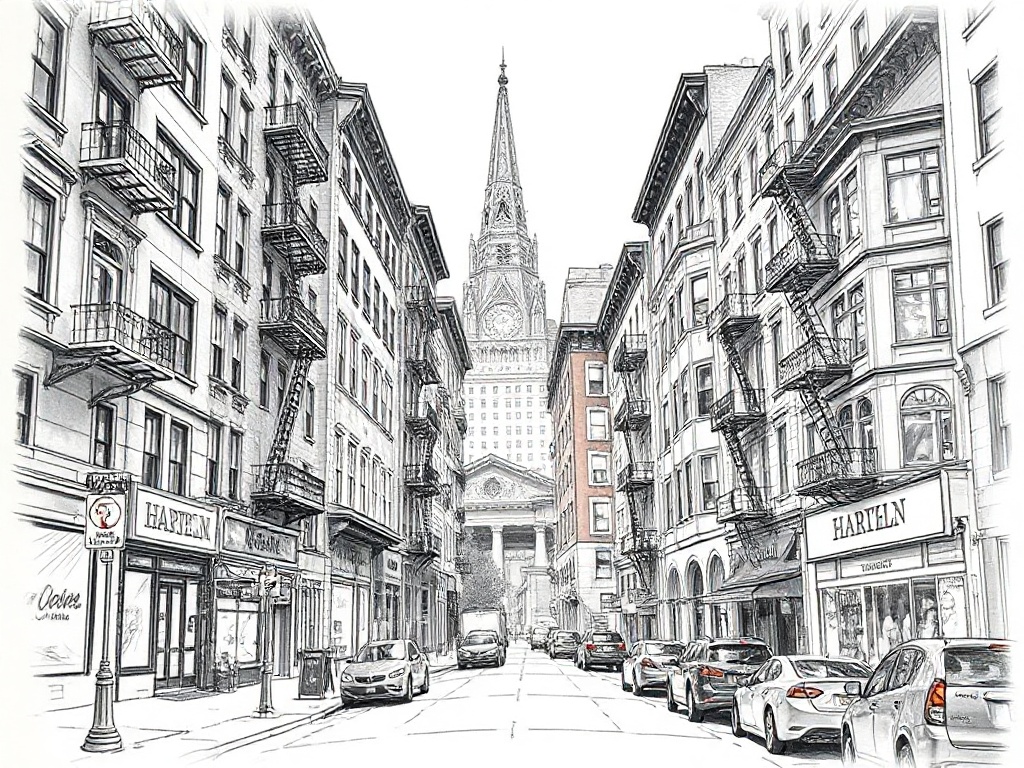
Community gardens and pocket parks reflect a long tradition of local stewardship and provide spaces for neighbors to gather. Walking or biking through tree-lined brownstone blocks gives a sense of Harlem’s residential charm and architectural heritage.
Community resilience and change
Like many urban neighborhoods, Harlem is navigating development and change. Community organizations, local business coalitions, and preservation groups work to protect cultural landmarks, support Black-owned businesses, and expand access to affordable housing and arts education. Visiting with an eye toward supporting independent shops, restaurants, and cultural programs helps sustain the neighborhood’s distinctive character.
Practical tips for visitors
– Start at the 125th Street corridor to access theaters, shops, and galleries.
– Catch live music or a Sunday service to experience Harlem’s musical traditions.
– Try both classic soul-food spots and newer restaurants for a full taste of the culinary scene.
– Take a walking tour or a self-guided route to learn about Harlem’s history and architecture.
– Support community stores, markets, and cultural events to engage respectfully and sustainably.
Whether exploring galleries, catching a set at a jazz club, or savoring soul food on a bustling corner, Harlem invites immersive experiences that connect past and present. Approaching the neighborhood with curiosity and respect reveals layers of culture that continue to inspire.