Greenwich Village remains one of the city’s most magnetic neighborhoods, where winding streets, historic brownstones, and a lively cultural scene collide. Whether you’re a first-time visitor or a longtime local, the Village offers a dense mix of cafés, performance spaces, parks, and hidden corners that reward slow exploration.
Start at Washington Square Park, the social and geographic heart of the neighborhood. The arch and fountain provide perfect people-watching, musicians, and an ever-changing lineup of performers.
From there, let the streets guide you: the Village’s non-grid layout creates intimate blocks and surprise pockets—ideal for wandering without a strict itinerary.
Music and theater culture are woven into the Village’s identity. Small clubs and Off-Broadway theaters nurture emerging talent, while longstanding venues continue to host jazz, folk, and experimental performances. Look for intimate stages and listed schedules online to find late-night sets or weekday shows that don’t require advance planning.
The Village’s literary and countercultural roots are visible in its independent bookstores, cozy coffeehouses, and murals. Minuscule shops selling rare books sit beside modern boutiques and artisanal bakeries. For a slow morning, pick a corner café, grab a coffee and a pastry, and watch the neighborhood come alive—locals walking dogs, students clustering around the park, and street performers setting up.
Food options in the Village span classic delis and pizza joints to contemporary bistro dining. Bleecker Street and nearby blocks are a reliable corridor for casual eats and late-night bites. For more leisurely meals, explore side streets for quietly elegant restaurants and neighborhood taverns where menus change with seasonal ingredients.
Greenwich Village holds deep significance for civil rights and LGBTQ+ history. Landmarks and memorials quietly mark important chapters in social movements, and many community organizations and cultural centers keep that legacy active through events, talks, and exhibitions. Respectful observation and participating in public programming can deepen appreciation for the neighborhood’s role in shaping broader cultural conversations.
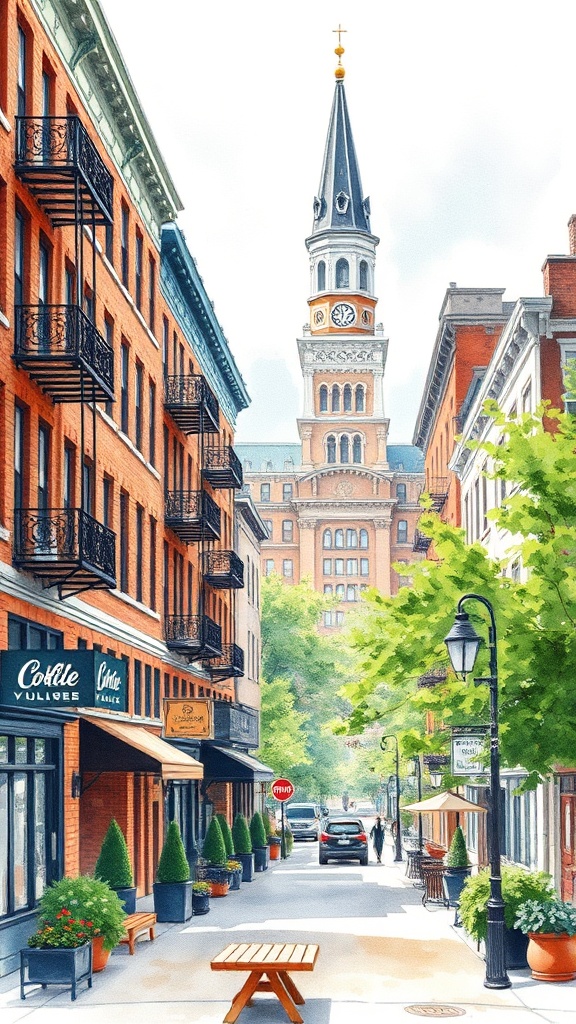
Architecture lovers will enjoy the Village’s variety: Federal row houses nestle beside mid-19th-century brownstones and inventive modern infill. Pay attention to small details—ornate stoops, ironwork, and hidden courtyards that hint at the area’s layered development.
Preservation efforts are ongoing, and many blocks retain a historic scale that contrasts with the city’s taller skylines.
Practical tips for visiting:
– Walk slowly. The Village is best experienced on foot—bring comfortable shoes and leave strict schedules behind.
– Check performance listings in advance. Many small venues publish weekly calendars; arriving early often secures better seats.
– Use public transit. Multiple subway lines and bus routes converge near the Village; consider a short walk from a nearby station to enjoy the streetscapes.
– Respect residents. While popular, the neighborhood is also a residential community—keep noise and litter to a minimum, especially late at night.
Greenwich Village continues to balance tradition and change.
It remains a vibrant cultural hub where creativity, activism, and everyday city life intersect. Take time to linger, talk to shopkeepers and performers, and you’ll discover the tiny details that make the Village endlessly appealing.