Central Park guide: top things to see and how to make the most of your visit
Central Park is one of the world’s most iconic urban green spaces, offering a mix of landscapes, cultural landmarks, and recreational opportunities that suit every pace. Whether you’re a first-time visitor or a regular looking for fresh ideas, this guide highlights must-see spots, practical tips, and ways to enjoy the park like a local.
Must-see highlights
– Bethesda Terrace & Fountain: A central gathering spot with grand staircases, intricate tilework, and a sweeping view over the lake. It’s a favorite for photos and street musicians.
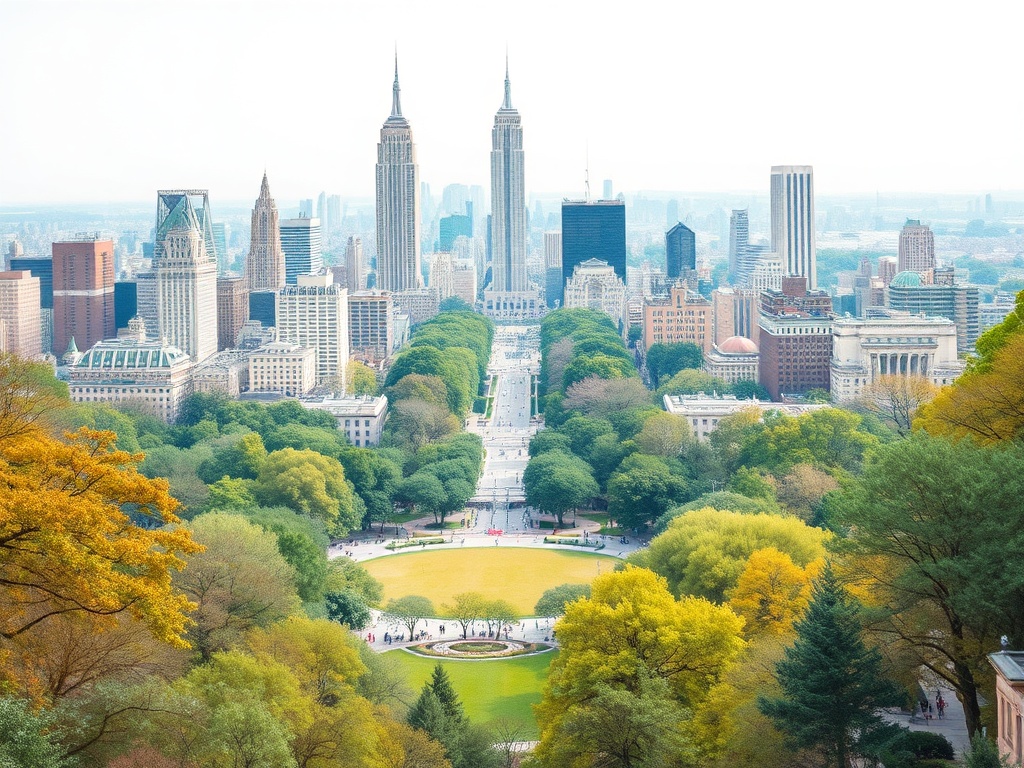
– The Mall & Literary Walk: A tree-lined promenade leading to statues of celebrated writers, perfect for leisurely strolls or people-watching.
– Bow Bridge & Gapstow Bridge: Two of the park’s most photographed spots, offering romantic views over water and Manhattan skyline backdrops.
– Great Lawn: A broad open space ideal for picnics, sunbathing, and informal sports; check for large events that may increase crowds.
– Reservoir loop: A scenic running and walking path that circles a large water body, popular with joggers and birdwatchers.
– Conservatory Garden and Belvedere Castle: For quieter moments, the formal garden and the miniature castle offer beauty and good vantage points.
Seasonal experiences
Each season brings its own charm.
Spring and summer showcase flowers and outdoor performances; cooler months bring crisp air, quieter paths, and a different light for photographers.
Rowboats and paddle options are available on the park’s lake during warmer weather, while skating and cozy café stops are enjoyable when temperatures dip.
Activities and tours
– Self-guided walks: Pick a theme—architecture, bridges, birding, or public art—and follow a tailored route.
The park is full of plaques and signs that tell its story.
– Guided tours: Conservancy-led walks and independent guides offer deeper insight into park design, ecology, and history.
– Fitness and recreation: From informal pick-up sports to organized classes and running groups, there are options for many fitness levels.
– Family-friendly fun: Playgrounds, carousel rides, and puppet shows provide easy entertainment for kids.
Practical tips
– Best times: Early mornings and weekdays are quieter; late afternoons and weekends draw crowds, especially near popular landmarks. Arrive early for photography or to claim a good picnic spot.
– Getting there: The park is accessible from multiple public transit routes and offers numerous entrances along its perimeter. Walking or biking are often the most convenient ways to explore once inside.
– What to bring: Comfortable shoes, water, sun protection, and a small blanket for picnics. A compact map or smartphone with offline maps helps when signal is spotty in dense tree cover.
– Food & dining: Food carts, seasonal vendors, and restaurants adjacent to the park provide a range of options for snacks or full meals. Bringing your own picnic is a popular choice.
– Safety & etiquette: Follow posted guidelines, respect planted areas, and keep dogs in designated areas or on leash where required. Pack out what you bring in to help maintain the park’s beauty.
Conservation and stewardship
Ongoing care by park managers and community groups helps preserve landscapes, restore habitats, and support public programs.
Visitors can contribute by following park rules, supporting conservancy initiatives, or volunteering.
Suggested short itinerary (2–3 hours)
Start at a major entrance, stroll down the Mall to Bethesda Terrace, continue to Bow Bridge and the Ramble for a taste of woodland paths, then cross to the Great Lawn or Reservoir for open-water views. Finish with coffee or a light meal at a nearby café.
Central Park remains a living, evolving urban sanctuary—easy to enjoy on a quick stop and rich enough to reward many returns. Plan a flexible route, pace yourself, and let the park’s variety shape the experience.