East Village: a neighborhood where counterculture energy, independent businesses, and culinary creativity meet lively streets and leafy parks. For visitors and locals alike, this compact district offers a mix of old-school grit and constant reinvention.
What to see and do
– Tompkins Square Park: The green heart of the neighborhood, popular for dog walking, informal concerts, and weekend markets. Look for pop-up events, fitness classes, and art installations that animate the space.
– St. Mark’s Place: A stretch of shops, vintage stores, tattoo parlors, and restaurants that encapsulates the neighborhood’s eclectic spirit. It’s a great place to hunt for unique clothing, records, and street food.
– Cultural venues: Small theaters, reading rooms, and spoken-word spaces keep performance culture thriving. The neighborhood is known for intimate music venues and poetry nights that spotlight emerging talent.
– Community gardens: Scattered pocket gardens reveal the area’s long tradition of grassroots activism and green stewardship.
These secluded spots are perfect for a quiet break from busy blocks.
– The Ukrainian cultural presence: Museums and shops reflect a sustained cultural heritage, with exhibitions and specialty markets worth checking when open.
Eat, drink, explore
Food here runs the gamut from ramen bars and late-night diners to refined tasting menus and inventive vegan kitchens. Look for small, chef-driven restaurants and neighborhood bars where bartenders remember patrons’ favorites. For casual visits, grab a slice, try a specialty coffee shop, or visit a bustling noodle spot. Nightlife is lively but approachable: cocktail bars, live-music nights, and late-night venues make it easy to curate an evening tailored to music preferences and mood.
Shopping and local business
Independent retailers thrive alongside newer boutiques. Vintage clothing stores, record shops, and independent bookstores give the neighborhood a distinctive shopping character that differs from larger commercial corridors. Supporting local businesses helps preserve the neighborhood’s unique identity, especially as development pressure reshapes storefronts.
Neighborhood character and change
East Village has a layered history as an artistic and activist hub; that legacy continues in community gardens, mural projects, and grassroots cultural programming.
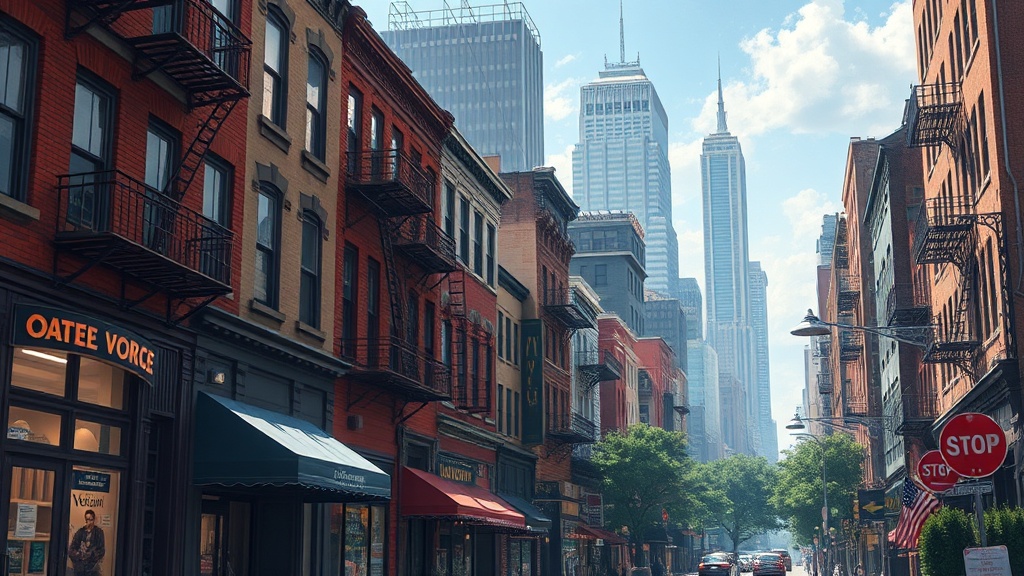
At the same time, rising rents and new development bring both investment and challenges. Community groups remain active in preserving open space and supporting longtime residents, maintaining a balance between renewal and preservation.
Getting around and practical tips
– Walkability: The neighborhood is compact and easily explored on foot.
Wear comfortable shoes and allow time for spontaneous detours—many of the best discoveries are unplanned.
– Transit: Multiple subway and bus lines provide easy access from other parts of the city. Bike-share docks and bike lanes make cycling a convenient option.
– Planning: Weeknights and weekend afternoons have different vibes—weekdays are calmer, while weekends showcase markets, street activity, and busier restaurants.
For dining at popular spots, reservations are often wise.
– Etiquette: Respect small-business hours, and be prepared that some independent shops accept card only or have limited hours. Tipping for service is customary in bars and restaurants.
Why it matters
East Village remains a living laboratory of creativity and local culture. Its streets offer a dense mix of history, food, music, and activism that’s continually reshaped by new arrivals and long-term residents. Whether seeking a lively night out, an offbeat shopping haul, or a quiet park bench for people-watching, this neighborhood rewards curiosity and an appetite for discovery.