New York Penn Station remains one of the busiest and most critical transit hubs in the country, serving long-distance and regional rail passengers alongside millions of daily commuters. Whether you’re arriving on an Amtrak train, transferring from the Long Island Rail Road or NJ Transit, or connecting to the subway network, understanding how Penn Station functions today can make travel faster and less stressful.
What to expect and how to navigate
– Multiple rail providers share the complex, which means busy platforms and frequent departures during peak hours.
Allow extra time for transfers and platform changes.
– Signage and digital displays have improved, but crowds can still make wayfinding challenging. Use official rail apps for real-time departure boards and mobile tickets to skip ticket lines.
– Major subway lines serve or are within a short walk of the station, providing quick access to Midtown and beyond. Street-level entrances at 7th and 8th Avenues lead directly into concourses that connect to trains and local transit.
Passenger experience improvements
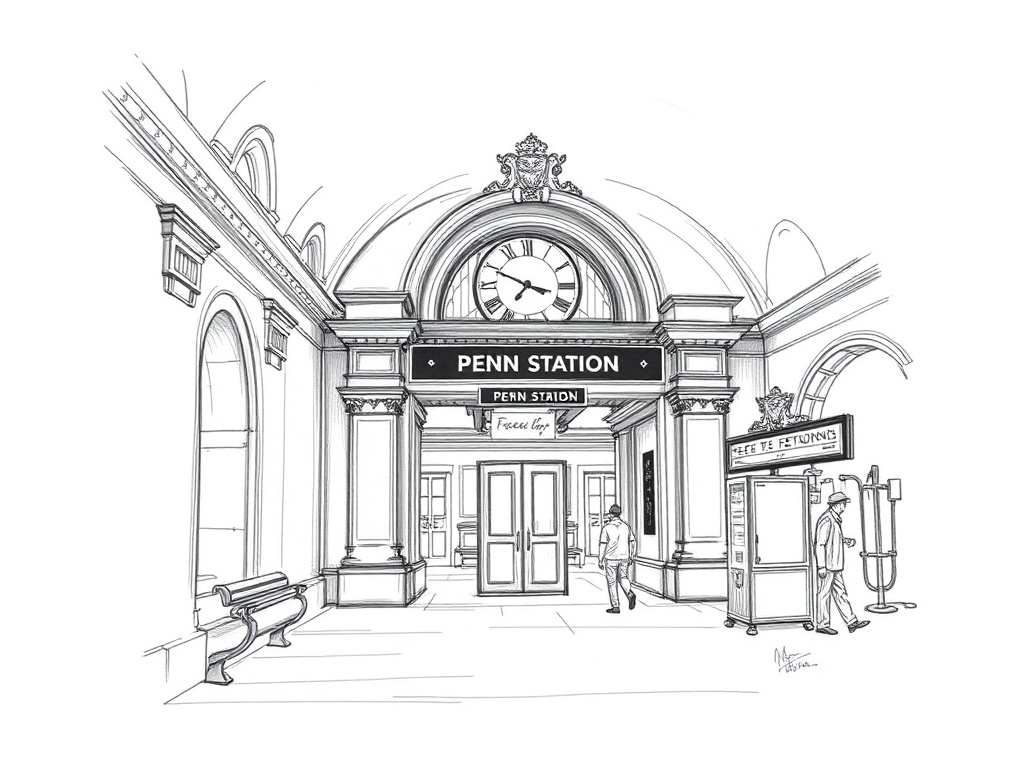
Recent upgrades around Penn Station have focused on better lighting, clearer signage, enhanced accessibility, and new passenger amenities. The adjacent Moynihan Train Hall offers a more spacious, light-filled departure area for many Amtrak riders, with expanded seating, improved concessions, and modern waiting facilities.
Inside the main complex, phased renovations aim to reduce platform crowding and open more retail and dining options that reflect commuter needs—grab-and-go breakfast, quality coffee, and more seating for longer waits.
Accessibility and safety
Accessibility has become a priority, with more elevators, ramps, and tactile guidance to help travelers with mobility needs. Security presence and coordinated transit policing efforts are visible throughout the complex, and stations frequently post safety advisories and guidelines.
If you need assistance, look for station staff kiosks or information booths for help with routes, elevators, and special accommodations.
Tips for smoother travel
– Buy or download tickets beforehand to speed boarding. Many operators accept mobile and contactless payments.
– Travel light or use luggage storage services nearby to navigate concourses more easily during busy periods.
– Plan transfers with a buffer for walking between arrival tracks and connecting services—platform changes and crowding are common.
– If you prefer a less hectic departure point for long-distance travel, check availability at nearby terminals that offer alternative boarding options.
Looking ahead
Ongoing infrastructure projects and planning around the station continue to focus on increasing rail capacity, modernizing passenger facilities, and improving the flow between surface transit and rail services. These efforts aim to make the station more efficient, accessible, and pleasant for both daily commuters and visitors passing through the city.
Whether you’re a daily commuter or a first-time traveler, a little preparation goes a long way at Penn Station. Use mobile tools, allow extra transfer time, and make use of improved amenities to turn a potentially stressful commute into a smoother journey.