Tribeca remains one of Manhattan’s most magnetic neighborhoods, blending industrial charm with high-end living, a lively cultural calendar, and a thriving food scene. Whether you’re passing through for a festival, scouting lofts, or planning a weekend of galleries and dining, Tribeca rewards slow exploration.
Why Tribeca draws attention
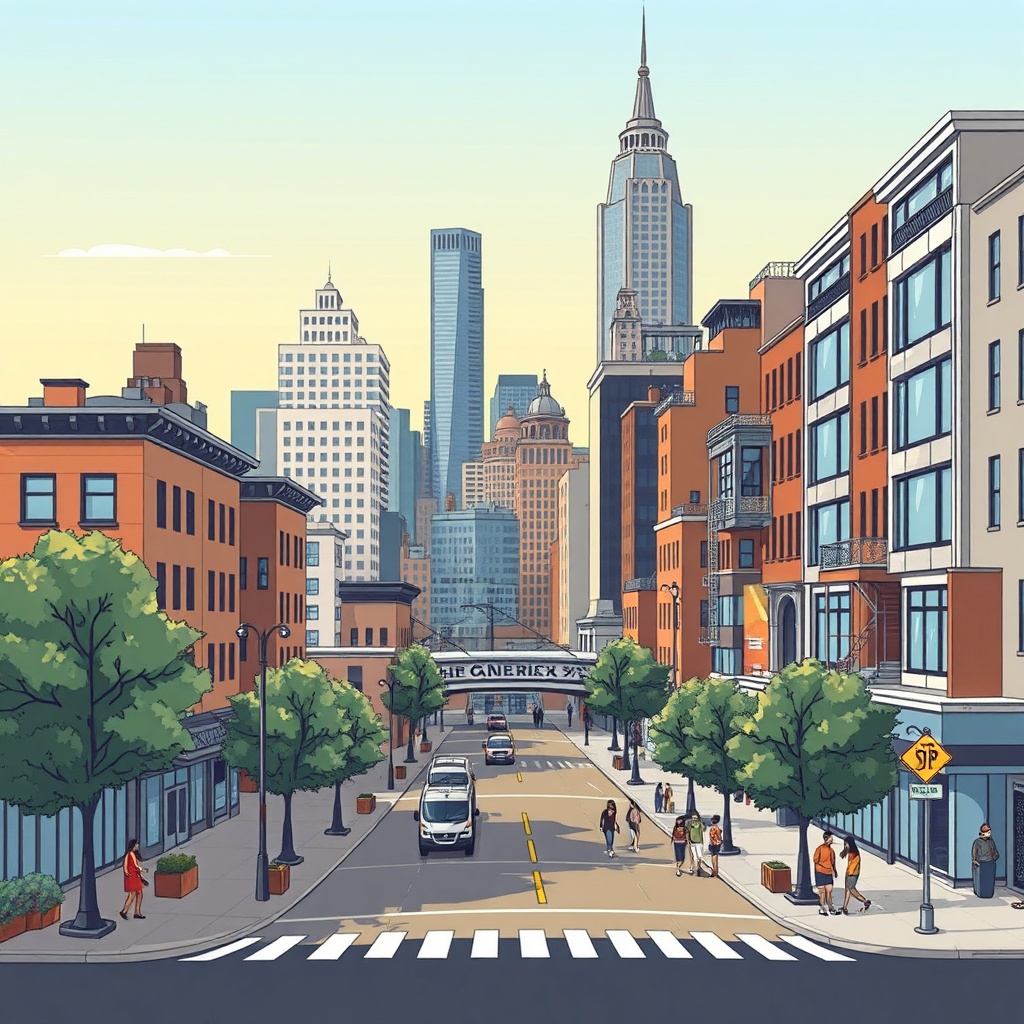
Formerly a warehouse district, Tribeca’s cast-iron and brick buildings were converted into lofts and creative spaces, giving the streetscapes a distinctive, lived-in elegance. The neighborhood’s quiet blocks, tree-lined streets and boutique shops contrast with the bustle of nearby downtown, making it appealing to families, creatives, and professionals who want a downtown address with residential calm.
Culture and events
The neighborhood is best known for a major film festival that brings filmmakers, musicians, and audiences together around screenings, panels, and immersive activations. Beyond the marquee event, Tribeca supports independent cinemas, pop-up art shows, and live-music nights that keep its cultural calendar active year-round. Galleries and creative spaces often open new exhibitions on weekend evenings, turning gallery walks into a casual social ritual.
Dining and nightlife
Tribeca’s dining scene runs the gamut: cozy neighborhood bakeries and coffee shops, acclaimed farm-to-table restaurants, intimate wine bars, and inventive tasting menus. Classic locals’ spots share blocks with celebrity-chef outposts and destination eateries. For casual afternoons, farmers’ markets and artisanal food shops offer fresh produce and specialty goods that reflect the neighborhood’s emphasis on quality and provenance.
Parks, waterfront and outdoor life
Green spaces are a highlight. Small community parks offer playgrounds and seating, while the nearby waterfront esplanade and Hudson River Park create extended walking, jogging, and biking routes with river views. Seasonal pop-ups, outdoor fitness classes, and open-air dining along the water make it easy to balance city life with outdoor activity.
Shopping and design
Tribeca’s retail mix favors design-forward boutiques, home and interior shops, and independent bookstores.
Antique dealers and contemporary design studios attract interior designers and homeowners renovating lofts.
Window-shopping along the quieter streets feels leisurely compared with busier shopping districts.
Real estate and lifestyle
Lofts and conversions remain a defining real estate feature: high ceilings, large windows, and exposed brick are common. The market leans toward luxury finishes and bespoke renovations, appealing to buyers seeking character and modern amenities. For renters and buyers, proximity to parks, schools, and cultural offerings often outweighs the premium cost of living.
Tips for visitors
– Explore on foot to appreciate architecture and hidden courtyards.
– Check local listings for pop-up events, gallery openings, and outdoor screenings.
– Visit a neighborhood farmers’ market for a snapshot of local food culture.
– Time dining reservations—popular spots can fill up quickly during festival periods.
Why it matters
Tribeca strikes a balance between a residential neighborhood and a cultural destination. Its streets tell a story of adaptive reuse, creative entrepreneurship, and a community that values art, food, and quality of life. Whether you’re considering a move, planning a visit, or simply curious about New York’s evolving neighborhoods, Tribeca offers a concentrated taste of downtown’s best traits.