Meatpacking District: Where History, High Design and Nightlife Meet
Once an industrial hub for meat distribution, the Meatpacking District has been reimagined into one of the city’s most dynamic neighborhoods—blending cobblestone charm, cutting-edge design, and an energetic dining and nightlife scene. Its compact footprint makes it ideal for a half-day exploration that mixes culture, shopping and great food.
Why the neighborhood stands out
The area’s signature cobblestone streets and historic brick buildings give it a distinct character that contrasts with nearby glass towers. Adaptive reuse is on full display: former warehouses now house fashion showrooms, galleries, boutique hotels and Michelin-caliber restaurants. This mix of old and new creates an urban texture that’s photogenic by day and electric after dark.
Things to do and see
– Stroll the High Line: The elevated greenway skirts the neighborhood edge and offers elevated views, public art and seasonal plantings. It’s a smart way to connect the Meatpacking District to nearby Chelsea and the West Side waterfront.
– Explore Chelsea Market: A short walk away, this indoor market is a top spot to sample artisanal foods, specialty coffee and independent food vendors—great for a quick bite or a hands-on gift.
– Gallery hopping: Small contemporary galleries pepper the area, showcasing emerging artists and rotating shows. Combine a gallery visit with window-shopping at independent design stores and concept boutiques.
– Dining: From relaxed daytime cafes to upscale tasting menus and seafood-forward spots, the restaurant scene emphasizes local sourcing and inventive cocktails. For a memorable meal, reserve ahead—many places fill up on weekends.
– Nightlife and rooftops: Trendy bars, intimate cocktail lounges and rooftop venues provide a lively evening scene. Expect a mix of craft cocktails, DJ nights and stylish crowds.
Practical tips
– Footwear: Cobblestones add character but can be uneven—comfortable, supportive shoes are recommended. High heels are doable but less practical for long walks.
– Timing: Visit mid-afternoon for fewer crowds and better access to galleries and shops. Evenings are best for dining and nightlife, but reservations help.
– Getting around: The neighborhood is easily walkable and well connected by multiple subway lines. Taxis and rideshares are plentiful, though walking often reveals the best hidden spots.
– Weather-ready plan: Many venues are indoors, but the High Line and some rooftop bars are weather-dependent—check ahead.
Sustainability and community
Recent development has emphasized adaptive reuse and pedestrian-friendly design, with more attention to green space, stormwater management and public art. Local businesses often highlight sustainable sourcing, and community-led initiatives support public programming and seasonal markets.
Why visit now
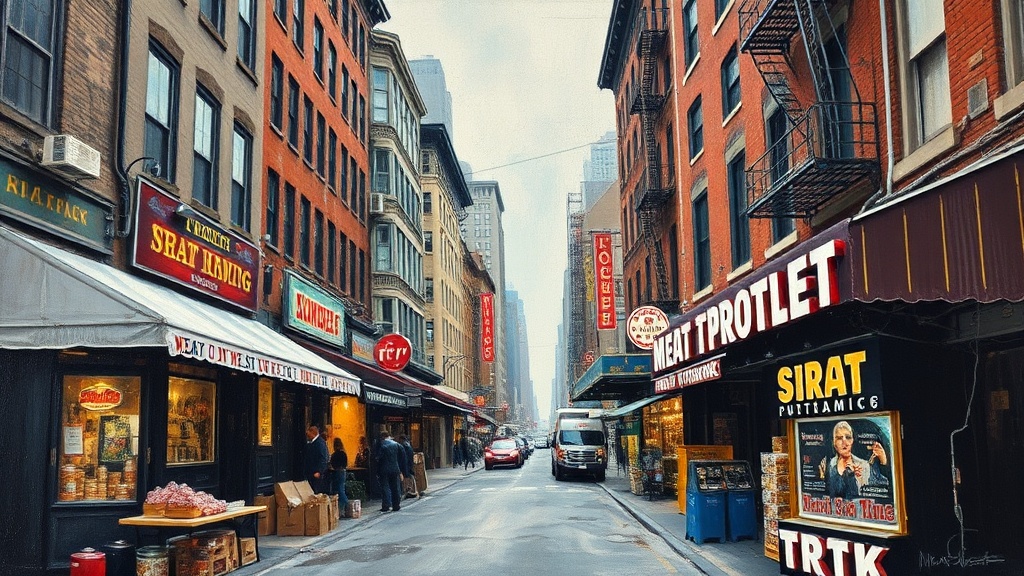
Whether you’re drawn by architecture, food, fashion or nightlife, the Meatpacking District packs a lot into a small area. It’s a snapshot of urban reinvention: historic bones, contemporary creativity and a social energy that keeps the neighborhood feeling fresh. For a curated urban experience—walkable, stylish and full of surprises—this neighborhood delivers.