The Meatpacking District blends industrial grit, high design, and a buzzing urban energy that keeps it one of the city’s most compelling neighborhoods. Once dominated by slaughterhouses and refrigerated warehouses, the area now draws food lovers, art fans, designers, and night owls with its mix of cultural anchors, cobblestone streets, and waterfront views.
What to see and do
– Walk the High Line: This elevated park repurposed from a freight rail line offers unique vantage points over the Meatpacking District and downtown skyline, with landscaped seating, art installations, and seasonal plantings.
– Visit the Whitney Museum: Focused on American art, the museum’s architecture and rooftop terraces are as much a draw as its rotating exhibitions.
– Explore Chelsea Market: A food hall and shopping destination housed in a former factory, it’s ideal for artisanal bites, specialty groceries, and boutique shopping.
– Stroll Gansevoort Street and surrounding blocks: Designer boutiques, concept stores, and flagship retailers line the neighborhood alongside small galleries and specialty shops.
Dining and nightlife
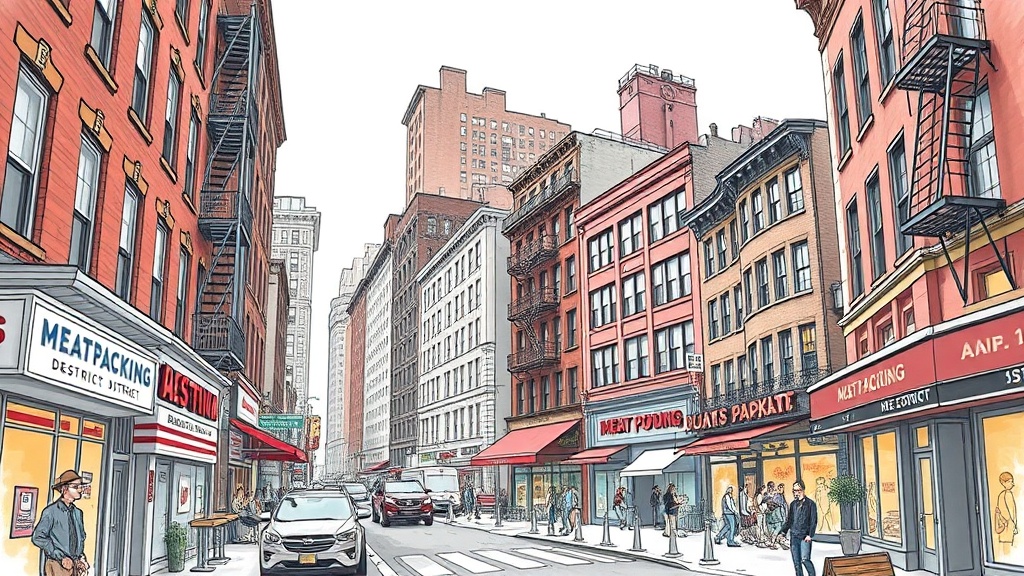
Dining options range from casual market stalls and coffee bars to chef-driven restaurants and rooftop lounges. The neighborhood is known for inventive tasting menus, seafood, and seasonal small-plates dining, plus a concentration of cocktail bars and late-night venues. Many restaurants offer outdoor seating along the streets or in pedestrianized pocket plazas, creating a lively al fresco scene when weather allows.
Shopping and design
The Meatpacking District has become a magnet for fashion and design, with a mix of luxury flagships, independent boutiques, and showrooms.
Window-shopping along cobblestone streets reveals both established brands and emerging designers, while interior design studios and architecture firms contribute to the area’s creative pulse.
Public space and sustainability
Public investment in parks and pedestrian-friendly infrastructure has reshaped the neighborhood. The waterfront access provided by nearby Hudson River Park offers jogging paths, green lawns, and sunset views.
Adaptive reuse of industrial buildings demonstrates a commitment to preserving architectural character while introducing energy-efficient retrofits and sustainable materials in new developments.
Practical tips
– Wear comfortable shoes: The streets retain original cobblestones in many spots, which are charming but uneven.
– Time your visit: Weekday afternoons are typically quieter for museum visits and lunch; evenings and weekends bring a livelier nightlife vibe.
– Transit and walking: The neighborhood is highly walkable and is served by multiple transit options; consider combining a High Line stroll with a waterfront walk for a compact itinerary.
– Reservations: Popular restaurants and rooftop bars often require reservations, especially on busy nights.
Why the neighborhood endures
The Meatpacking District’s appeal lies in its layered identity: historic infrastructure meets contemporary culture, making it a neighborhood of contrasts—industrial yet polished, intimate yet vibrant. Its combination of public parks, cultural institutions, dining diversity, and design-focused retail creates a self-contained experience that continues to draw residents and visitors alike.
Whether looking for a gallery visit, a memorable meal, or a scenic walk above the city, the Meatpacking District delivers a concentrated taste of urban reinvention—where past and present coexist in streetscape, storefront, and skyline. Consider mapping a short walking route to capture the best mix of art, food, and views in a single outing.