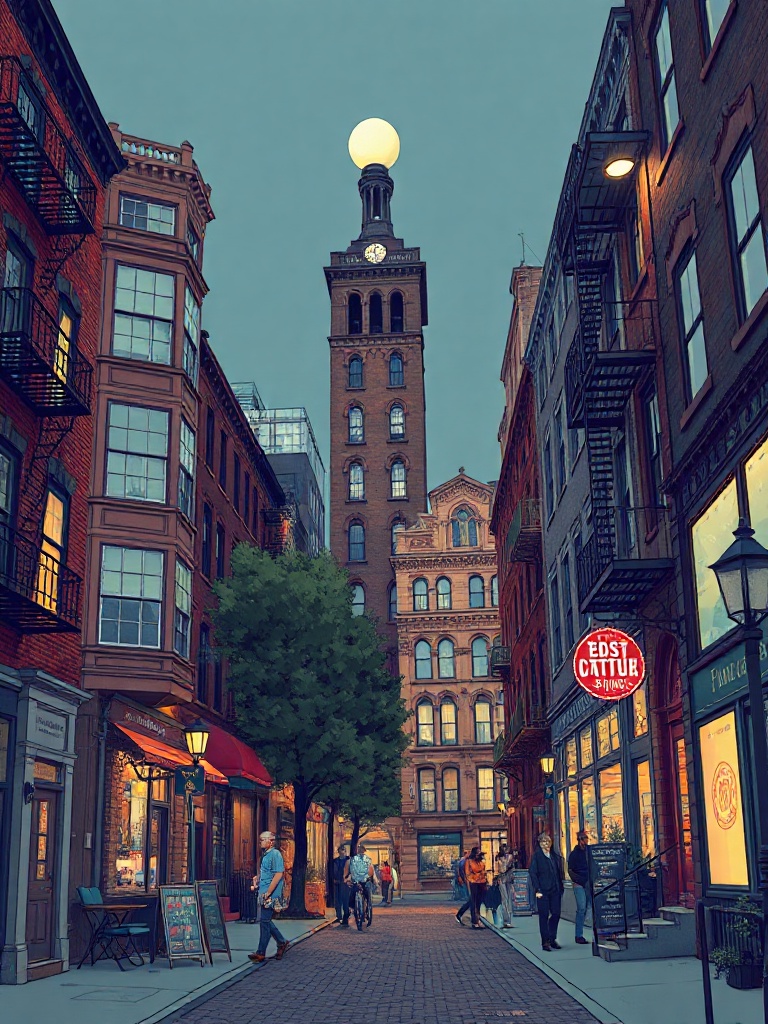
East Village remains one of the city’s most magnetic neighborhoods, blending a storied counterculture past with an energetic, ever-evolving present. For anyone curious about arts, food, and grassroots urban life, it’s a compact neighborhood that rewards slow exploration.
What makes East Village special
The neighborhood’s identity grew from waves of artists, writers, and musicians who chose streets over suburbia. Traces of that history are everywhere: independent galleries and DIY performance spaces, walls full of murals and paste-up art, and a steady stream of small businesses that resist homogenization.
At the same time, new eateries, coffee shops, and boutiques have added layers that make the area lively without losing its edge.
Top experiences to plan
– Walk St. Mark’s Place: This lively stretch captures the neighborhood’s energy—shopfronts, vintage stalls, and a mix of cultures.
It’s a good launching point for discovery.
– Spend time at Tompkins Square Park: A central green space and gathering spot, it hosts everything from morning tai chi to evening performances and community events. The park is also a hub for local activism and neighborhood meetings.
– Hunt for community gardens and public art: Tucked-away gardens and painted facades reveal a civic-minded side of the East Village. These spots make great respite from busier streets and are often maintained by local volunteers.
– Catch live music or a spoken-word night: Small venues and bars regularly showcase emerging bands and performers—part of the neighborhood’s long tradition as a proving ground for new talent.
– Explore independent shops and record stores: For collectors and browsers, the neighborhood still offers bookstores, vintage clothing shops, and vinyl sellers that reward patient searches.
Food and drink
East Village is a global food corridor. Expect ramen counters, Ukrainian and Eastern European bakeries, late-night comfort food, inventive plant-forward kitchens, and low-key neighborhood bars. The best approach is to follow scent and crowd—popular spots often have lines, but those lines move fast and often point to something worth trying. Late-night options are plentiful, so this neighborhood is ideal for flexible eating plans.
Practical tips
– Walk or bike where possible: The neighborhood’s scale makes it best experienced on foot. Many streets are pedestrian-friendly, and bike lanes help for longer hops.
– Time your visit: Afternoons are ideal for galleries, shops, and gardens. Evenings bring a different energy—dinner, live shows, and nightlife—so choose based on mood.
– Be neighborhood-savvy: Residents value a balance between welcoming visitors and keeping community life intact.
Respect private spaces, avoid loud behavior near residences, and support local businesses when possible.
– Stay weather-aware: Street festivals and outdoor performances pop up frequently, so bringing a lightweight layer or umbrella pays off for spontaneous plans.
Why it still matters
The East Village is a neighborhood where past and present converse. It remains a testing ground for cultural trends precisely because of its density of creatives and independent enterprise.
Supporting local venues, attending community events, and choosing neighborhood shops over chain alternatives helps keep that ecosystem vital.
All told, East Village offers a compact, intensely local urban experience—rich in history, lively in the present, and continually surprising to anyone who takes the time to look beyond the main avenues.