Harlem remains one of the city’s most magnetic neighborhoods, blending deep cultural roots with a lively present-day scene.
Known for its music, food, and arts, Harlem continues to attract visitors and new residents who want to experience authentic community life and creative energy.
A cultural backbone
Harlem’s cultural institutions are essential stops for anyone exploring the neighborhood.
The Apollo Theater still draws crowds with talent showcases and headline acts, while the Schomburg Center for Research in Black Culture offers exhibitions and archives that tell complex stories of the African diaspora. The Studio Museum in Harlem continues to champion contemporary Black artists, and small galleries and artist spaces nearby provide a steady stream of fresh perspectives.
Music and nightlife
Music is woven into Harlem’s identity. Gospel services and powerful choirs bring Sunday mornings to life, while intimate jazz clubs and venues host late-night sets that keep the tradition alive. Places with deep historical resonance sit beside innovative performance spaces, so visitors can hear everything from classic jazz and soul to forward-thinking experimental sounds. Look for live-music listings and neighborhood venues to catch an unforgettable show.
Dining and flavors
Harlem’s dining scene offers a range from beloved soul-food restaurants to new eateries spotlighting modern takes on classic dishes. Longstanding establishments serve comfort-food favorites, while chefs and restaurateurs bring seasonal produce, global influences, and elevated techniques to the neighborhood. Food tours and markets highlight both heritage flavors and contemporary culinary creativity—perfect for food lovers looking to taste Harlem’s evolving palate.
Architecture and streetscapes
Strolling through Harlem reveals striking architecture: brownstones, row houses, and landmark districts like Strivers’ Row showcase elegant façades and residential history. Wide avenues and green pockets—community parks and small gardens—provide places to relax and connect. Murals and public art punctuate the streets, reflecting community voices and local stories.
Community and change
Like many vibrant urban neighborhoods, Harlem is navigating change.
New development and rising interest have created economic opportunities but also sparked conversations about preserving affordability and cultural identity. Community organizations, local businesses, and long-term residents work actively to shape the neighborhood’s future—supporting cultural institutions, promoting small-business initiatives, and creating programs that prioritize local needs.
Practical tips for visitors
– Start at 125th Street for easy access to many landmarks, shops, and transit options.
– Catch a performance at the Apollo or look for gospel services to experience local musical traditions.
– Try a mix of established soul-food spots and smaller modern restaurants; ask locals for recent favorites.
– Book walking tours or self-guided routes that focus on music history, architecture, or street art.
– Visit cultural centers and smaller galleries—many host rotating exhibitions and community events.
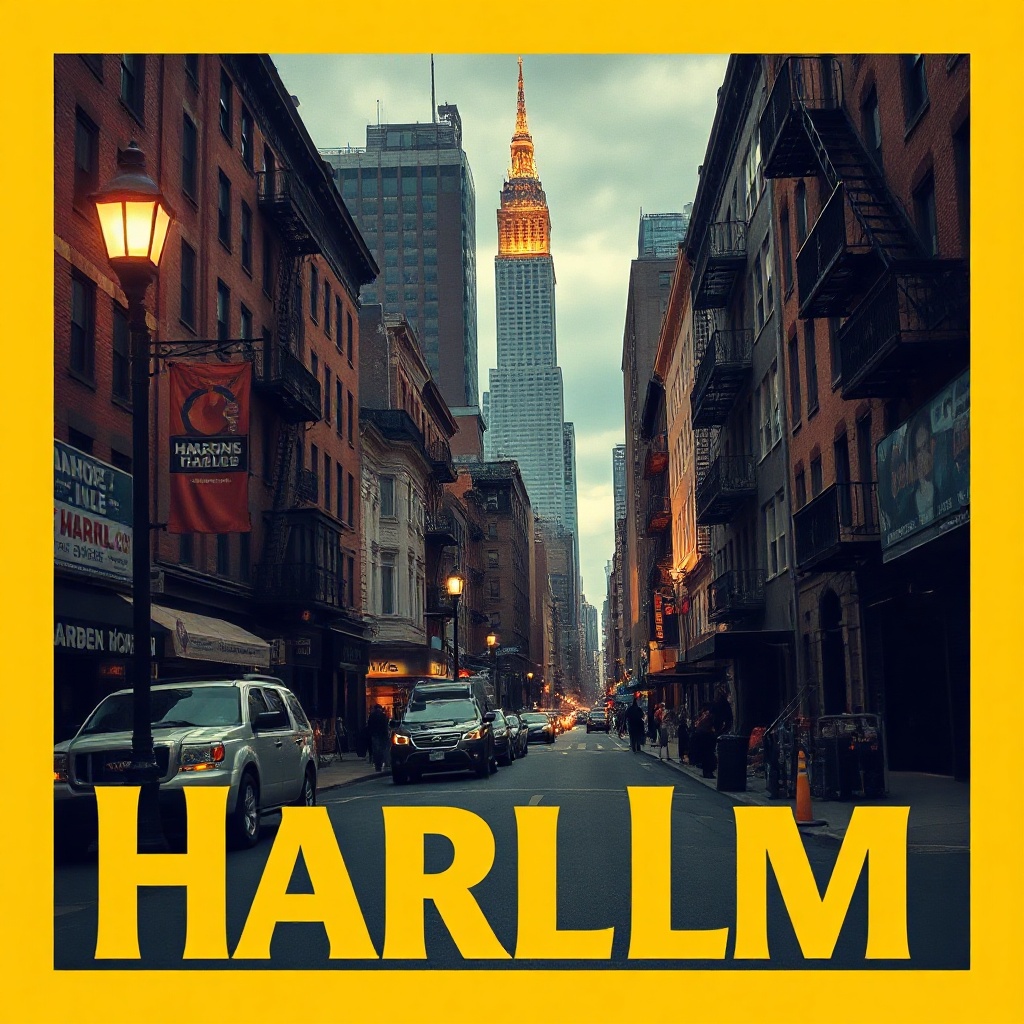
Harlem strikes a balance between reverence for its storied past and a dynamic present shaped by artists, entrepreneurs, and residents. Whether exploring museums, hearing live music, sampling iconic cuisine, or simply walking historic blocks, the neighborhood offers an immersive cultural experience that rewards curiosity and respectful engagement.