Meatpacking District: Where History Meets High-Style
The Meatpacking District has evolved from an industrial hub into one of the city’s most magnetic neighborhoods, blending cobblestone streets and industrial bones with cutting-edge fashion, art, and food. Whether you’re drawn by the High Line’s elevated greenery, Chelsea Market’s food hall energy, or the boutique shops lining Gansevoort Street, this neighborhood delivers a compact but richly layered urban experience.
Why the Meatpacking District stands out
The area’s charm comes from contrasts: preserved brick warehouses and cast-iron facades that now house designer showrooms, contemporary galleries, and destination restaurants. Adaptive reuse projects respect the past while making space for modern retail, nightlife, and cultural institutions. The result is a walkable district that feels both historic and contemporary, where a weekend market stall can sit steps away from an international fashion flagship.
Must-see spots
– High Line: This elevated park carved from a former rail line offers lush plantings, public art, and skyline views.
It’s an ideal way to move through the neighborhood on foot and spot hidden entrances to galleries and eateries.
– Chelsea Market: A bustling food hall and shopping destination, Chelsea Market is perfect for grabbing artisanal snacks, specialty groceries, and unique gifts.
It’s also a good shelter during rainy days while still feeling distinctly local.
– Whitney Museum of American Art: The museum anchors the district’s cultural scene with rotating exhibitions that highlight contemporary American artists. Its architecture and outdoor terraces provide a pause from street-level bustle.
– Gansevoort Street and nearby boutiques: For curated fashion and one-off home goods, these blocks offer a mix of established designers and independent brands.
Many stores combine retail with event programming, making the streets feel like a live showroom.
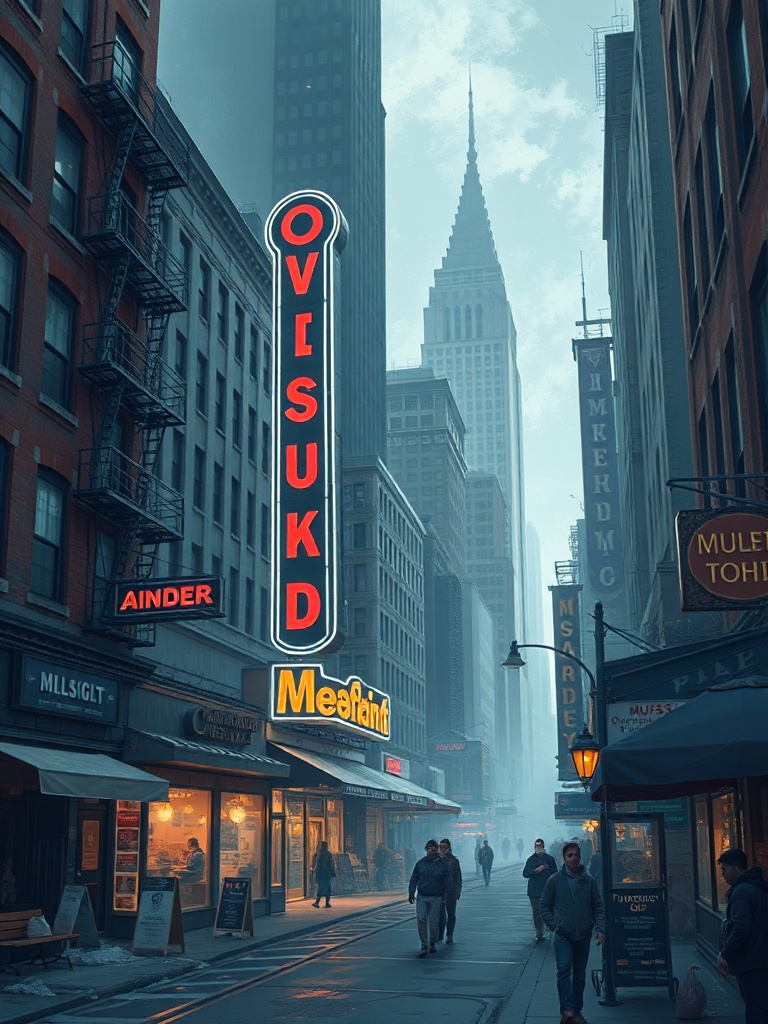
Food and nightlife
Dining options range from casual market stalls to elevated tasting menus. Look for chef-driven restaurants that highlight seasonal ingredients and inventive cocktails at rooftop bars or intimate lounges.
The neighborhood’s nightlife remains vibrant but more polished than its former after-hours reputation; reservations are recommended for popular spots and dinner reservations can be busy on weekends.
Practical tips for visitors
– Wear comfortable shoes: The district’s cobblestone surfaces add character but can be uneven.
– Time your visit: Weekday mornings and early afternoons are quieter for browsing shops and galleries.
Evenings are livelier for dining and bars.
– Book ahead: Popular restaurants and museum exhibitions often require reservations or timed tickets.
– Explore on foot: The neighborhood is compact—walking lets you discover hidden alleys, public art, and small galleries that don’t appear on every map.
– Be mindful of crowds on the High Line during peak times; alternative access points provide a more relaxed experience.
Sustainability and public space
Recent efforts have focused on improving pedestrian safety, expanding green space, and supporting small businesses through curated programming. These initiatives aim to balance tourism with neighborhood livability, encouraging responsible exploration that supports local vendors.
A neighborhood that rewards curiosity
The Meatpacking District condenses a lot of urban appeal into a small footprint: historic textures, contemporary design, top-tier dining, and accessible cultural institutions. Whether you’re planning a short visit or a longer exploration of the wider Chelsea corridor, this neighborhood offers a memorable mix of past and present that invites repeated discovery.