Harlem remains one of the most vibrant cultural neighborhoods in New York City, known for a deep artistic legacy, lively music, and a resilient community spirit. Whether you’re drawn by history, food, music, or architecture, Harlem offers a layered experience that blends tradition with contemporary creativity.
Culture and history
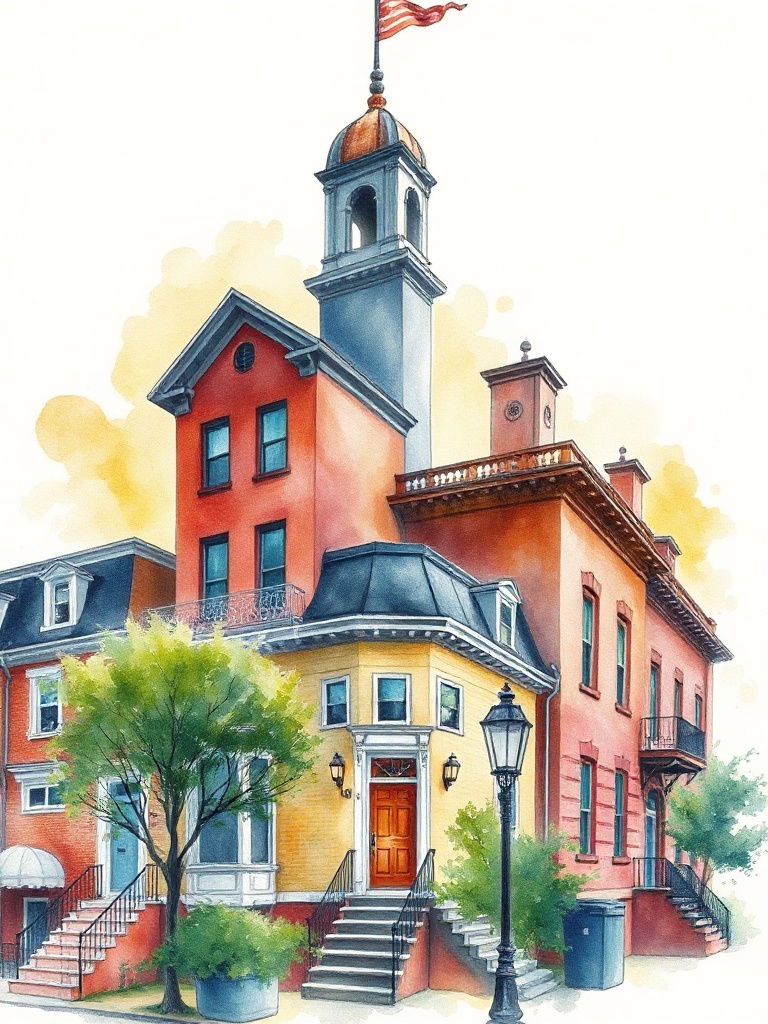
Harlem’s identity was shaped by a cultural flowering that continues to influence music, literature, and visual art. Landmarks and historic blocks—famed brownstones, Strivers’ Row, and the tree-lined streets of Sugar Hill—reflect a storied past. Institutions and neighborhood icons preserve that legacy while nurturing new generations of artists, writers, and performers.
Music and nightlife
Music is woven into daily life. The Apollo Theater is a magnet for live performance and discovery, while smaller venues host jazz, soul, and experimental acts that keep the scene fresh. Sundays bring gospel services and spirited choirs in local churches, offering a powerful, communal musical experience. For late-night energy, look for intimate clubs and community-led events that spotlight emerging talent alongside established musicians.
Food and dining
Harlem’s culinary scene balances celebrated institutions with inventive newcomers.
Classic soul-food restaurants remain beloved gathering places, serving up fried chicken, collard greens, and comfort staples.
At the same time, a wave of chefs and restaurateurs is reinterpreting neighborhood flavors—farm-to-table influences, international fusions, and bakeries that draw crowds.
Food tours and a stroll down Restaurant Row (Frederick Douglass Boulevard) are efficient ways to sample the variety.
Arts and galleries
Beyond music, Harlem has a thriving arts ecosystem. Galleries, public murals, and community art projects showcase work that speaks to social life and identity. The neighborhood supports contemporary art programs, performance collectives, and artist studios that invite engagement and dialogue between locals and visitors.
Parks and outdoor life
Green spaces provide vital breathing room. Parks like Marcus Garvey Park and Morningside Park host concerts, fitness classes, and weekend activity, while smaller community gardens and plazas offer quieter spots to relax. Seasonal programming and local festivals frequently animate these outdoor spaces.
Community dynamics and stewardship
Harlem is evolving, and that evolution includes pressures common to many urban neighborhoods—rising rents, development, and demographic change. At the same time, community organizations, tenant groups, and preservation advocates work to protect affordable housing, maintain cultural institutions, and ensure development benefits long-term residents. Supporting local businesses, arts programs, and community initiatives helps maintain Harlem’s character.
How to experience Harlem
– Take a walking tour that combines history, architecture, and local stories.
– Catch a live set at an intimate jazz club or a performance at the Apollo.
– Attend a Sunday service for an authentic gospel experience.
– Sample soul-food staples and new-wave eateries—look for spots busy with locals.
– Visit galleries and public art installations to see contemporary voices from the neighborhood.
– Shop at small businesses, bookstores, and markets to support the local economy.
Harlem’s appeal is its mix of continuity and reinvention: a place where history is visible on the streets and creativity is visible in daily life. For visitors and residents alike, the best approach is to listen, explore on foot, and invest time in the performances, meals, and conversations that make Harlem unique.