Penn Station remains one of the nation’s most important transportation hubs, a high-traffic crossroads that connects regional rail, commuter lines, subways, and long-distance trains. For commuters and travelers, understanding the station’s layout, services, and recent improvements can make trips smoother and less stressful.
Why Penn Station matters
Penn Station serves multiple carriers under one roof: Amtrak for intercity travel, commuter railroads for regional trips, and subway lines that feed Manhattan and beyond.
Its central location and connectivity make it the primary entry point for many visitors arriving by train, while thousands of daily commuters depend on its reliability for work and appointments. Because it handles such a large and varied ridership, Penn Station often acts as a bellwether for transit performance across the metropolitan region.
Recent improvements and what they mean for travelers
Efforts to upgrade passenger experience have focused on capacity, passenger flow, and amenities.
A major addition nearby provides expanded concourse space, improved waiting areas, and enhanced retail and dining options—offering a lighter, more comfortable experience for those traveling on long-distance trains. Retail activity has also been increasing inside and around the station, turning brief waits into chances to grab coffee, a quick meal, or essential travel items.
Persistent challenges
Despite improvements, Penn Station still faces congestion during peak travel times. Complex track assignments, tight platforms, and high pedestrian density can lead to crowding and occasional delays. Signage can be confusing for first-time visitors, especially where multiple carriers share the same corridors.
Accessibility remains a focus: while many elevators and ramps are available, some routes require extra planning, and occasional outages mean it’s wise to verify access ahead of time.
Smart travel tips for Penn Station
– Allow extra time: Give yourself a buffer for transferring between carriers or navigating crowds.
– Know your carrier: Use the correct concourse—Amtrak and regional operators may use different waiting areas and entry points.
– Use real-time tools: Transit apps and carrier status pages provide up-to-the-minute platform and delay information.
– Follow signs and staff guidance: Station staff are the fastest route to accurate platform directions when things change.
– Pack light and secure belongings: Busy terminals are a practical reason to travel with manageable luggage and keep valuables close.
– Accessibility planning: If you need elevator access, check station maps and carrier accessibility pages before departure and contact station staff on arrival for assistance.
Connectivity and transfers
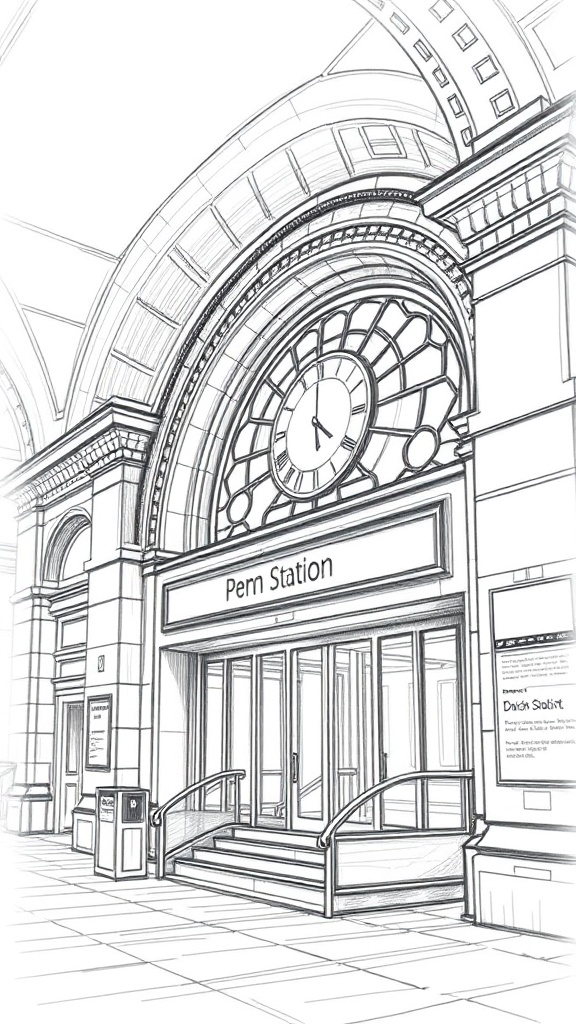
Penn Station’s connections to subway lines and nearby PATH service make it straightforward to reach many city neighborhoods without leaving the transit network.
Transfers between systems can require walking through concourses or tunnels; signage helps, but time savings often come from choosing the most direct route in advance.
What to expect going forward
There are ongoing planning efforts and phased projects aimed at improving capacity and passenger experience. Anticipate more streamlined concourses, updated signage, and enhancements to make transfers easier.
These projects prioritize safety, accessibility, and creating a better environment for both short-term visitors and daily commuters.
Whether you’re arriving from out of town or heading into the office, approaching Penn Station with a little advance planning—checking carrier updates, allowing extra time, and using the station’s newer concourse spaces—will make travel less stressful and more predictable. For the latest status and travel advisories, consult carrier and transit agency pages before you go.