Brooklyn is one of the most dynamic urban landscapes, blending leafy parks, historic brownstones, cutting-edge restaurants, and a thriving arts scene. Whether planning a day trip or settling in for the long haul, Brooklyn offers a mix of neighborhoods and experiences that reward exploration.
Neighborhoods to explore
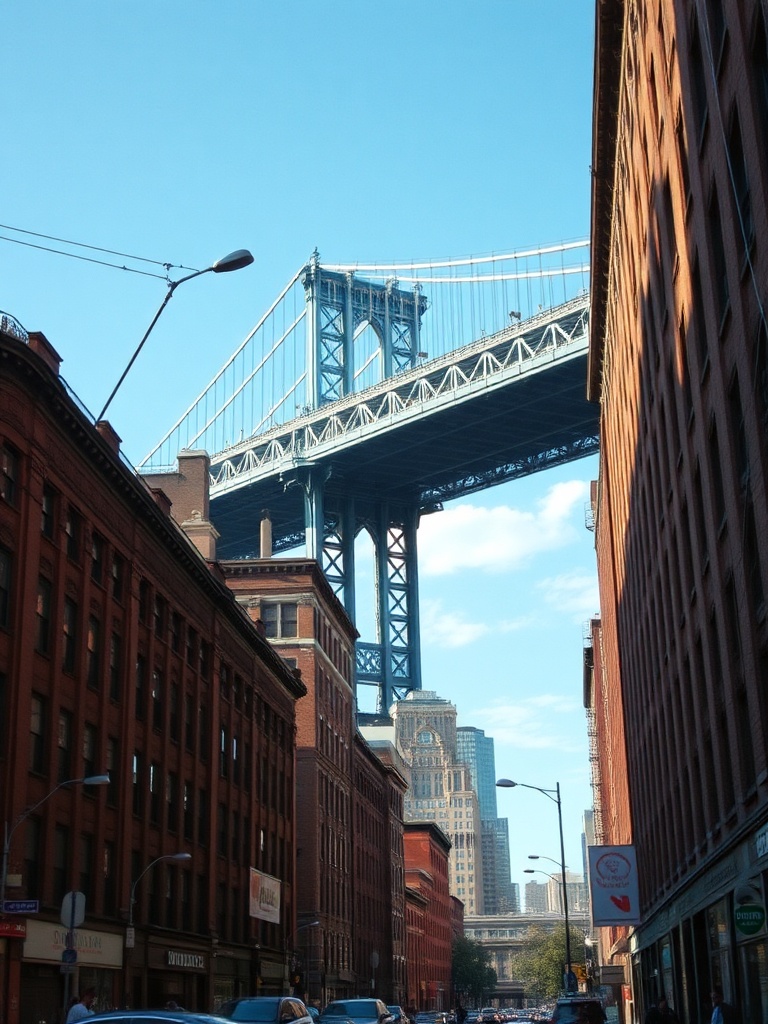
Brooklyn’s neighborhoods each have a distinct personality. One can wander tree-lined streets and classic architecture in brownstone districts, then shift to industrial-chic corridors where new galleries, cafes, and coworking spaces thrive.
Areas known for creative communities often host pop-up markets, street fairs, and music nights that showcase local talent.
Waterfront neighborhoods are evolving with new parks, promenades, and mixed-use developments that provide scenic views and recreational space.
Food and drink scene
The borough’s food scene is a major draw. Small bakeries, specialty coffee shops, and internationally inspired eateries sit side-by-side with fine dining and casual baker’s dozen joints. Food markets and weekend vendors let visitors taste global flavors in one afternoon: think freshly baked goods, wood-fired pizza, seasonal produce, and inventive small plates. Craft breweries, cocktail bars, and natural-wine spots offer vibrant nightlife without needing to cross the river.
Parks, waterfronts, and outdoor life
Green space is a signature feature. Large parks feature meadows, playgrounds, and running paths perfect for families and fitness enthusiasts.
Waterfront parks and piers provide a quieter way to enjoy skyline views and sunset strolls. Bike paths link neighborhoods and waterfront trails, making cycling both practical and scenic. Community gardens and farmers’ markets support local food systems and add neighborhood charm.
Arts, culture, and institutions
Brooklyn’s cultural institutions span major museums to intimate performance venues. Contemporary art galleries and experimental theater companies coexist with established museums that attract major exhibitions. Street art and mural programs contribute to a constantly shifting outdoor gallery, while music venues host a range of acts from emerging bands to established performers. Libraries, community centers, and cultural festivals keep arts programming accessible to diverse audiences.
Getting around
Public transit connects most neighborhoods efficiently, and commuter ferries offer a pleasant alternative with waterfront views.
Many Brooklyn streets are walkable, and bike-share stations and protected bike lanes make short trips convenient.
Traffic can be heavy during rush times, so planning trips outside peak hours or using transit apps to check conditions helps save time.
Practical tips
– Plan neighborhoods by theme: food, shopping, parks, or art to maximize time.
– Weekdays are often quieter for museums and popular restaurants; weekends host more markets and events.
– Wear comfortable shoes—cobblestones and brownstone stoops are part of the charm.
– Look for neighborhood mailing lists and social channels to catch pop-ups, gallery openings, and farmers’ markets.
Why it remains compelling
Brooklyn continues to attract people seeking a balance between urban convenience and neighborhood character.
Constant reinvention keeps the borough lively while strong community networks preserve local identity. Whether discovering a tucked-away bakery, catching a rooftop concert, or simply enjoying a long walk along a waterfront promenade, Brooklyn rewards curiosity and repeated visits.
For those planning a visit or considering a move, building an itinerary around a few adjacent neighborhoods delivers a richer, more relaxed experience—one block at a time.