Tribeca: Quiet Cobblestones, Big-City Energy
Nestled between the Financial District and SoHo, Tribeca blends industrial charm with upscale living. Known for its wide streets, converted warehouses, and cast-iron architecture, the neighborhood offers a mix of culture, dining, and waterfront calm that continues to draw locals and visitors alike.
What makes Tribeca special
– Architectural character: Low-rise lofts, exposed brick, and preserved facades give Tribeca a distinctive aesthetic.
Many buildings were once factories and warehouses, now transformed into light-filled residences and creative workspaces.
– Walkable streets: Wider streets and cobblestone lanes encourage walking and slow-paced exploration. Sidewalk cafes and boutique shops make it easy to spend an afternoon wandering.
– Residential feel with urban access: Despite its proximity to downtown bustle, Tribeca has a quieter, almost village-like atmosphere that appeals to families and professionals seeking a calmer city life.
Culture and events
Tribeca’s cultural profile is boosted by film premieres, gallery openings, and special events that attract filmmakers, artists, and audiences from around the globe.
The neighborhood has become synonymous with a creative community that values storytelling, independent film, and live performance. Galleries and small performance spaces host regular exhibitions and shows, while public art pops up along streets and piers.
Dining and nightlife
Dining options in Tribeca cover the spectrum from relaxed bakeries and neighborhood bars to inventive fine-dining rooms.
Farm-to-table concepts sit alongside international flavors, and restaurateurs frequently experiment with seasonal menus and intimate tasting formats.
For nightlife, expect low-key lounges and cocktail bars that cater to a sophisticated crowd rather than loud club scenes.
Parks, piers, and outdoor life
One of Tribeca’s strengths is its access to waterfront green space. The nearby piers and sections of the Hudson River Park provide green lawns, jogging paths, and sunset views over the water. Small playgrounds and pocket parks are scattered through the neighborhood, making it family-friendly and inviting for outdoor gatherings and weekend markets.
Shopping and services
Boutiques offer carefully curated fashion, homewares, and design pieces. Independent bookstores, specialty food purveyors, and artisanal markets add to the neighborhood’s boutique retail character. Professional services, wellness studios, and boutique fitness centers round out the local offerings for residents.
Real estate and living
Tribeca’s housing market emphasizes loft conversions, luxury condominiums, and historic townhouses. High ceilings and oversized windows are common features that appeal to buyers looking for a blend of character and modern amenities.
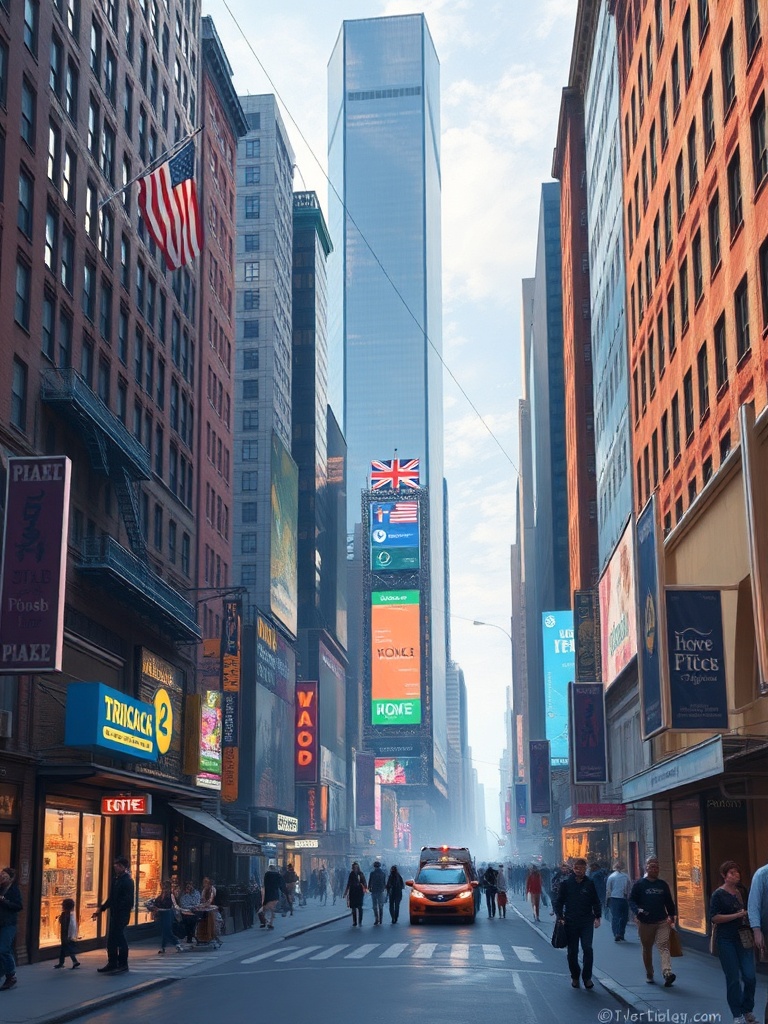
The area’s mix of residential buildings and converted commercial space fosters a live-work environment that many creatives and entrepreneurs find attractive.
Getting there
Tribeca is easily reached by multiple transit options and is compact enough to explore on foot. Ferry services along the waterfront offer another scenic way to arrive, while bike lanes make cycling a convenient choice for many residents.
Why visit or move here
Tribeca rewards those who appreciate a balance of quiet residential life and vibrant cultural activity. It’s a neighborhood with substance—historic architecture, a strong creative pulse, high-quality dining, and waterfront access—offering an urban experience that feels both refined and refreshingly calm. Whether popping in for dinner, attending a film screening, or looking for a long-term place to call home, Tribeca remains a compelling corner of the city worth exploring.