Penn Station remains one of the busiest transit hubs in the country, serving Amtrak, New Jersey Transit, and the Long Island Rail Road alongside multiple subway and regional connections.
Whether you’re a regular commuter, a city visitor, or catching an intercity train, knowing how the station is laid out and what to expect can save time and stress.
What to expect on arrival
The station is an underground maze beneath a major arena, while an expanded, light-filled concourse sits across the avenue in a renovated postal building.
Trains use numerous tracks and platforms, and arrival gates can change quickly during peak periods. Expect crowds during morning and evening rush hours and large surges when events are held at the arena above.
Connections and nearby transit
Subway access is efficient: the station area connects to the major north–south and east–west subway lines within a short walk. A rapid regional PATH stop is also nearby for travelers coming from New Jersey. Several bus routes and ride-share pickup zones surround the station, making last-mile travel straightforward.
Tips for smoother travel
– Allow extra time.
Give yourself a buffer for crowded corridors, elevator waits, or unexpected platform changes.
– Use mobile tickets. Most operators support mobile boarding passes—buy and store tickets in official apps to speed through entry.
– Check track and platform info often. Departure displays and station staff update routing in real time; double-check before moving to a platform.
– Consider alternate entry points.
Multiple entrances and concourses can drastically reduce walking time depending on which line you need.
– Watch for event congestion.
If a major event is taking place at the arena, plan extra time or choose off-peak travel.
– Keep belongings secure.
Busy stations can attract opportunistic theft; keep wallets and devices close and be cautious with luggage in crowds.
Amenities and comfort
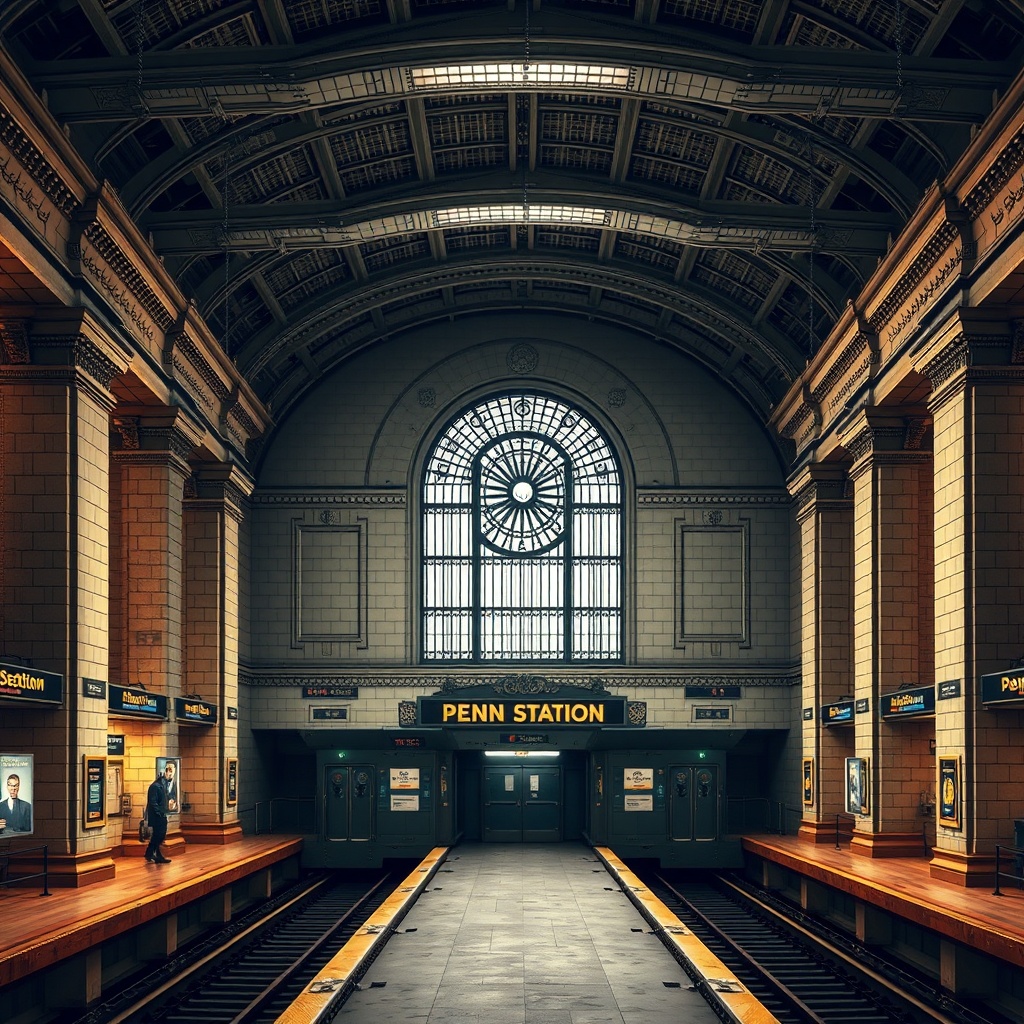
The renovated concourse offers more natural light, seating, and dining options than the older underground spaces, plus clearer signage and modern customer-service facilities. Newsstands, coffee shops, and fast-casual dining are available both in the new hall and the original concourse. Luggage carts, restrooms, and ticketing counters remain accessible, and many retailers now accept contactless payment.
Accessibility
Elevators, ramps, and ADA-compliant routes exist, but accessibility can vary between platforms.
If mobility assistance is required, contact the carrier in advance; station staff and customer-service kiosks can direct travelers to the best routes and elevators.
Ongoing improvements
Significant infrastructure projects are underway to increase resiliency and capacity, including expanded concourses and additional river crossings to reduce bottlenecks. These improvements are staged and can affect temporary access routes and platform assignments, so consult official service alerts before traveling.
Final practical reminders
Check official operator apps and station status pages for service alerts, gate changes, and platform assignments. For intercity departures, allow time for baggage handling and ticket verification.
For commuters, learn the layout of the station from your usual platform to the nearest exits and transit connections—small routing choices can shave crucial minutes off your trip.
Navigating Penn Station becomes easier with a bit of preparation: know where your line departs, keep an eye on live updates, and use the station’s multiple concourses to your advantage. Safe and efficient travel often comes down to planning and flexibility.