Tribeca has long blended quiet, historic charm with a lively cultural pulse, making it one of Manhattan’s most desirable neighborhoods for residents and visitors alike. Known for its cobblestone streets, cast-iron facades and airy loft conversions, the area retains an industrial elegance while serving as a hub for film, food and family life.
A cinematic heart
The neighborhood’s film roots still beat strong thanks to a globally recognized film festival that brings premieres, panels and screenings to local theaters and pop-up venues.
The festival draws filmmakers and audiences to Tribeca’s intimate cinemas and makes the area a focal point for independent and mainstream cinema alike. Year-round, smaller screenings, talks and art-house showings keep the cinematic conversation alive, attracting film lovers and creatives.
A dining destination
Dining in Tribeca ranges from laid-back bakeries and coffee shops to refined, celebrity-backed restaurants. The neighborhood’s culinary scene emphasizes quality ingredients, seasonality and inventive small-plate concepts, while late-night spots and cozy bistros make it a popular dining destination. Boutique bakeries, artisanal markets and specialty food shops add to the food-savvy atmosphere, making Tribeca a place to discover both classic New York flavors and inventive new cuisine.
Architecture and living
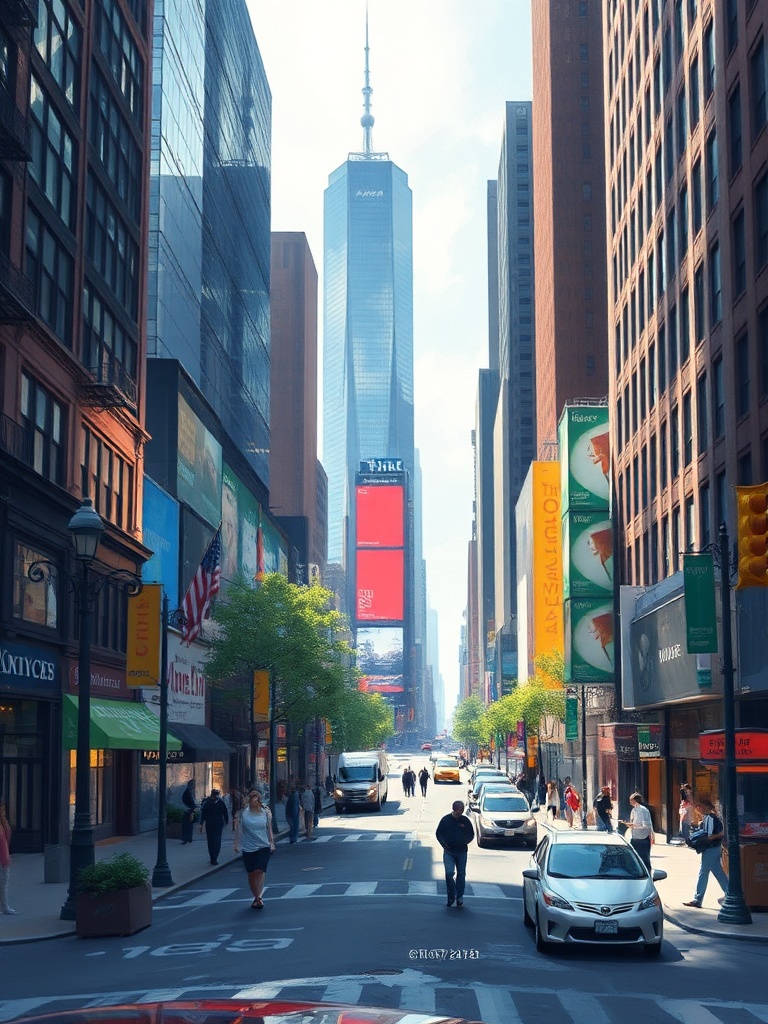
Originally an industrial district, Tribeca’s warehouses were transformed into spacious lofts and luxury condos, creating a distinctive mix of historic details and modern design. High ceilings, exposed brick and oversized windows are common features that appeal to architects, creatives and families.
The neighborhood’s calm streets, combined with excellent schools and family-oriented services, make it attractive for those seeking an urban lifestyle with neighborhood warmth.
Arts, galleries and boutiques
Beyond film, Tribeca supports a vibrant arts scene with galleries, pop-up shows and sculptural works that frequently appear in public spaces.
Independent boutiques offer curated fashion, home goods and craft items, making window shopping enjoyable alongside gallery-hopping. Seasonal street fairs and neighborhood events add to the local arts calendar, encouraging discovery and community engagement.
Outdoors and waterfront access
Tribeca benefits from proximity to the waterfront and green spaces that offer a welcome contrast to the urban environment. Walking and bike paths along the river provide scenic routes for fitness and leisure, while small parks and playgrounds create gathering spots for families and neighbors. Waterfront piers often host events and open-air markets, enhancing the area’s reputation as a place to relax outdoors without leaving the city.
Getting around
Tribeca is remarkably walkable, with a compact layout that encourages foot travel between restaurants, shops and cultural venues. Convenient public transit connections link the neighborhood to other parts of the city, and water-based transport options provide an alternative route that’s both efficient and scenic.
For many, Tribeca’s accessibility is a major draw, combining quiet residential streets with straightforward access to downtown hubs.
Why people come here
Whether drawn by film and culture, the restaurant scene, striking architecture, or a family-friendly atmosphere, people appreciate Tribeca’s blend of sophistication and neighborhood authenticity. It remains a place where history and contemporary urban life coexist, offering experiences that suit weekend visitors and long-term residents alike. For those planning a visit or considering a move, Tribeca rewards exploration with hidden courtyards, memorable meals and a sense of community that feels distinct within the city’s fabric.