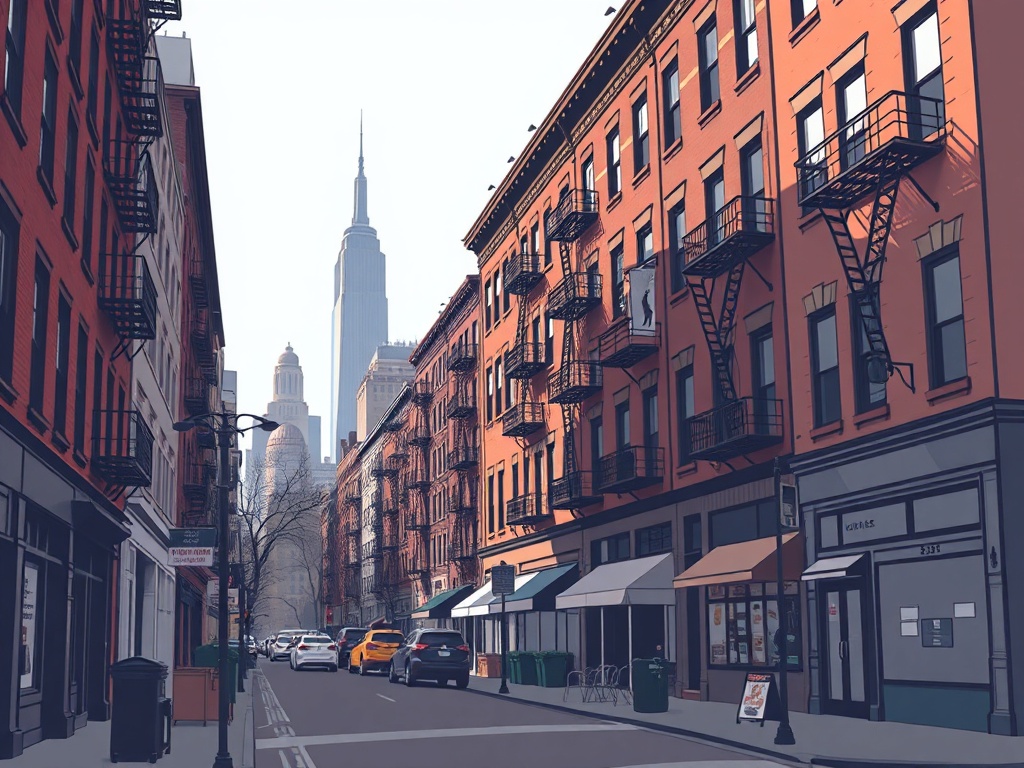
The Lower East Side remains one of New York’s most magnetic neighborhoods, where immigrant history, cutting-edge culture, and lively street life coexist in block-after-block variety. A stroll through the LES reveals tenement buildings turned galleries, classic delis rubbing shoulders with modern food halls, and a nightlife scene that pulses from early evening into the small hours.
A layered past defines the neighborhood’s character.
Once a primary arrival point for successive waves of immigrants, the area’s narrow streets and modest apartments were home to families and small businesses that shaped New York’s cultural fabric. Today, museums and restored landmarks preserve those stories, offering immersive tours and exhibitions that bring the neighborhood’s past to life while contextualizing its present.
Food is a major draw.
Longstanding institutions remain staples for locals and visitors alike, complemented by an energetic food scene that blends old-school comfort with international and contemporary flavors. Farmers markets, food halls, and seasonal pop-ups make the LES a top spot for tasting everything from Jewish deli classics to inventive ramen, wood-fired breads, and artisanal pastries.
For a quintessential experience, follow a food walk that mixes counter-service institutions with modern chef-driven restaurants and market stalls.
Shopping on Orchard Street and nearby side streets is a mix of vintage finds, independent boutiques, and art galleries. Orchard’s bargain-friendly storefronts sit alongside curated shops offering unique clothing, home goods, and accessories. Gallery hopping is easy on foot; small exhibition spaces and artist-run venues spotlight emerging and mid-career artists, keeping the neighborhood lively for collectors and curious visitors.
Nightlife in the Lower East Side is varied.
Intimate music venues and underground clubs host both up-and-coming acts and established performers, while the bar scene ranges from low-key neighborhood taverns to cocktail bars and rooftop lounges offering skyline views. For those who prefer culture after dark, the neighborhood’s offbeat performance spaces often feature spoken-word nights, experimental theater, and DJ sessions that reflect the LES’s creative spirit.
Community and development are in constant conversation here. Rapid change has introduced luxury housing and new commercial ventures, prompting active debates about preservation, affordable housing, and community resources.
Local advocacy groups and cultural organizations are central to those discussions, working to protect small businesses, maintain neighborhood diversity, and support arts programming.
Practical tips for visiting:
– Midday is ideal for exploring markets and quieter galleries; late evenings offer the strongest nightlife energy.
– Walking is the best way to experience the LES’s texture—allow time for side streets, murals, and pop-up happenings.
– Support independent vendors and neighborhood spots; small purchases and reservations help keep local institutions thriving.
– Be mindful of residents: keep noise reasonable, respect private property, and observe posted rules in parks and public spaces.
Whether the goal is culinary discovery, art immersion, nightlife, or history, the Lower East Side delivers a compact, ever-evolving urban experience. Its mix of memory and reinvention invites repeat visits—each trip reveals another layer, another storefront, or another dish that helps explain why this neighborhood continues to attract attention and affection from people across the city and beyond.