The Upper East Side remains one of the most coveted neighborhoods for visitors and residents who want classic New York style, cultural institutions, and quiet tree-lined streets. Stretching from Central Park to the East River, this area blends grand museums, historic architecture, and neighborhood conveniences that appeal to families, professionals, and art lovers alike.
What defines the neighborhood
– Museum Mile: Fifth Avenue hosts a concentration of world-class museums that make the Upper East Side a cultural destination. Strolling the avenue gives easy access to major collections and frequent special exhibitions.
– Architecture and housing: Expect a mix of limestone townhouses, brownstones, elegant prewar co-ops, and newer condominiums. Many buildings feature doormen, landscaped lobbies, and classic details that preserve the area’s refined character.
– Green spaces: Central Park’s leafy eastern edge provides iconic access to walking paths, the reservoir, and recreation.
On the river side, small parks and esplanades offer quieter views and bench-lined promenades.
Things to do
– Museums and galleries: Spend a day exploring museum collections, then duck into smaller galleries on side streets for contemporary work. Many cultural venues offer extended hours or special-ticketed events that make evening visits enjoyable.
– Parks and recreation: Jog or cycle along the park’s paths, join a fitness class at one of the neighborhood’s community centers, or picnic on a sunny afternoon. Waterfront greenways provide a calmer alternative to the busy park interior.
– Shopping and dining: Upscale boutiques and specialty shops cluster along Madison and Fifth Avenues, while neighborhood blocks offer bakeries, delis, and family-run restaurants with a loyal following. Brunch spots and intimate bistros are easy to find off the main corridors.
– Family activities: Several museums feature hands-on programs and kids’ workshops. Parks, playgrounds, and sports centers give families options for after-school activities and weekend outings.
Getting around
The neighborhood is well served by multiple subway lines along Lexington Avenue and the Second Avenue corridor, complemented by buses and abundant bike-share stations. Walking is often the fastest way to get between museums, shops, and parks. For drivers, parking is limited—consider alternatives for errands and daily commuting.
Tips for newcomers and visitors
– Plan museum visits around quieter times to avoid peak crowds; many institutions allow timed-entry tickets that help you make the most of a visit.
– Explore side streets for architectural details and small cafés that are quieter than the main avenues.
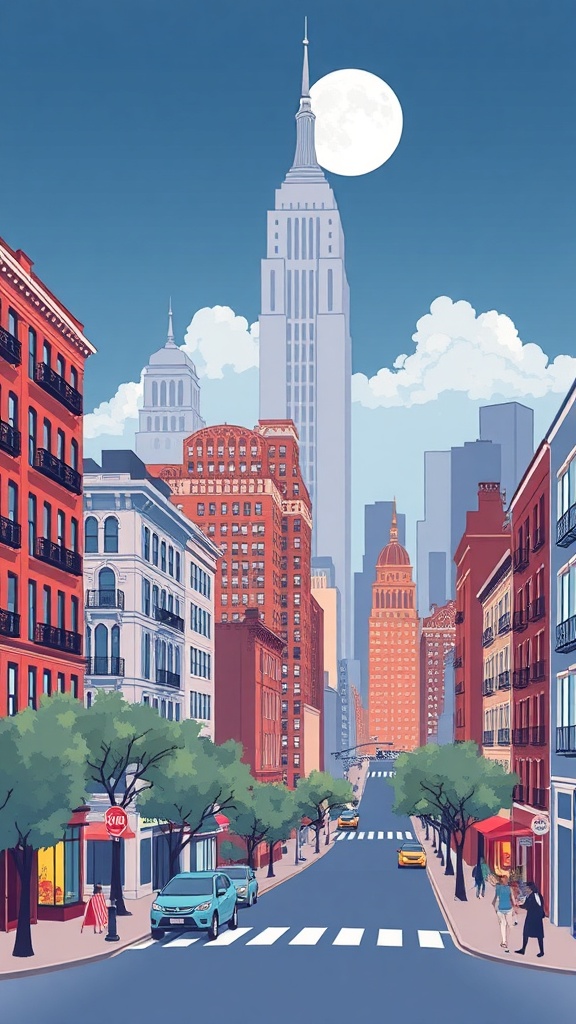
– If considering a move, prioritize proximity to transit and green space based on lifestyle—families often prefer tree-lined blocks near playgrounds, while professionals may want quicker subway access.
– Keep a flexible itinerary: the neighborhood rewards slow exploration, whether that means a relaxed afternoon in the park or a gallery hop followed by an intimate dinner.
Why it still appeals
The Upper East Side combines cultural richness with residential calm. Its long-standing institutions and quiet, service-oriented buildings preserve a sense of continuity even as new shops and dining concepts refresh the local scene. For anyone seeking a classic Manhattan experience—where museums, parks, and elegant streets converge—the neighborhood remains a top pick for living and visiting.
Explore a few blocks at a time, and you’ll discover how the Upper East Side balances metropolitan energy with neighborhood warmth.