Harlem remains one of New York City’s most magnetic neighborhoods, where a deep cultural legacy meets an energetic present. Known for its pivotal role in the Harlem Renaissance, the area still pulses with music, art, and food that honor history while evolving with fresh creativity.
Whether you’re planning a visit or exploring from afar, Harlem offers a rich mix of attractions and experiences that reward curiosity.
What to experience
– Music and performance: Legendary stages and intimate clubs keep live jazz, R&B, gospel, and spoken word thriving. Catch an amateur night or established act at iconic venues, or experience a church service with stirring gospel choirs that showcase Harlem’s musical roots.
– Food culture: Soul food classics sit alongside modern takes on Southern and global cuisine. From longstanding neighborhood diners to inventive chef-led restaurants and pop-up kitchens, the dining scene reflects Harlem’s diversity and culinary innovation.
– Art and museums: Galleries and cultural institutions focus on artists of the African diaspora and contemporary voices. Public murals and gallery exhibitions make art a visible part of daily life, while curated museum spaces highlight both historical context and cutting-edge work.
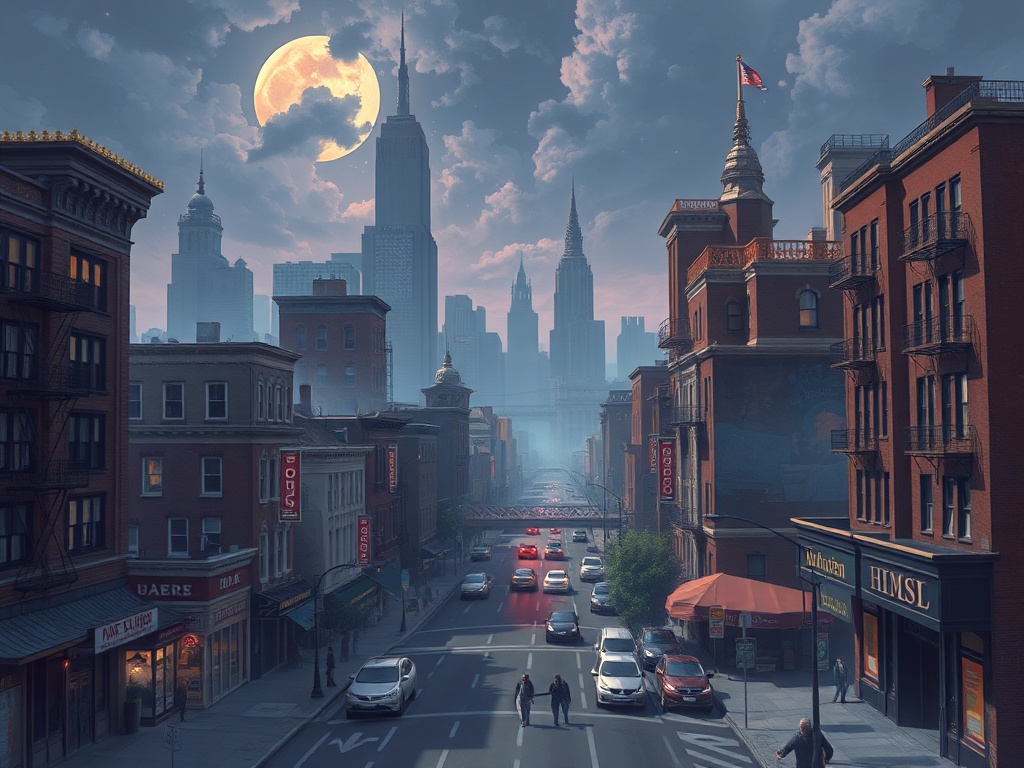
– Architecture and neighborhoods: Stroll past elegant brownstones, landmarked row houses, and historic blocks that tell stories of migration, entrepreneurship, and community-building. Neighborhoods like Strivers’ Row and tree-lined avenues offer picturesque backdrops for walking tours.
– Markets and shopping: Weekend markets, independent bookstores, and vintage shops provide ways to discover local makers and one-of-a-kind finds. Food markets and community fairs also offer a snapshot of contemporary Harlem culture.
Why Harlem matters now
Harlem’s importance goes beyond tourism. It’s a living archive of American cultural history and an active center for community advocacy and creative production. Local organizations, artists, and small business owners work daily to preserve cultural heritage while pushing for equitable development and affordable housing. Visiting with intention—supporting a local eatery, attending a neighborhood show, or shopping at a community market—helps sustain the people and institutions that define the neighborhood.
Tips for visiting
– Go on foot: Harlem rewards walking. A self-guided or led walking tour brings together music history, architecture, and food stops in one accessible route.
– Check schedules: Many performances and exhibitions run on specific nights; consult venue calendars and local listings before you plan.
– Explore beyond the main avenues: Venture into side streets and smaller blocks to find hidden restaurants, galleries, and community spaces that visitors often miss.
– Support local businesses: Choose neighborhood-owned restaurants, shops, and galleries to foster the community’s cultural and economic resilience.
Harlem’s blend of heritage and reinvention makes it endlessly compelling. Whether drawn by music, food, art, or history, visitors can expect an experience that feels both grounded in legacy and alive with new ideas. Walk, listen, and linger—Harlem rewards those who take the time to connect with its stories and its people.