Greenwich Village: A Walkable Patchwork of Culture, Food, and Quiet Streets
Greenwich Village remains one of the most magnetic neighborhoods in the city, blending historic charm with a constantly evolving cultural scene. Whether you’re a local rediscovering familiar blocks or a visitor building a first itinerary, the Village rewards slow exploration: leafy mews, independent shops, low-rise architecture, and a concentration of music clubs, bookstores, and cafés that still resist homogenization.
Start with the public greens. Washington Square Park anchors the area with its iconic arch, open lawns, and a lively chess scene where players set up daily. The park is a reliable place to find street musicians, impromptu performances, and people-watching any time the weather is mild. Nearby community gardens tucked behind brownstones offer quiet respite; many are managed by local volunteers and welcome casual visitors.
Music and performance history are woven into the neighborhood’s DNA. Small music venues and intimate jazz rooms continue to showcase both established performers and rising talent.
Comedy clubs and fringe theaters preserve a tradition of experimentation; checking venue calendars before you go is the best way to catch a notable set or an unexpected new voice. For those who want to dive deeper, specialty record stores and used-book shops carry rare finds that larger chains rarely stock.
Dining here blends long-standing institutions with inventive newcomers. Side streets like Bleecker and MacDougal host bakeries, classic delis, and chef-driven restaurants offering international flavors. Many kitchens focus on seasonal menus and local sourcing, and several cafés double as neighborhood hubs where people meet for work, study, or conversation. Outdoor dining lanes and sidewalk seating make mealtime part of the street rhythm during warmer months.
Preservation and change are in constant conversation. Landmark buildings and historic brownstones evoke the neighborhood’s artistic and political past, while rising rents and development pressure pose challenges for longtime residents and small businesses. Local community groups and preservation organizations play active roles in shaping what stays and what adapts, so attending community board meetings or local events can give visitors insight into neighborhood priorities.
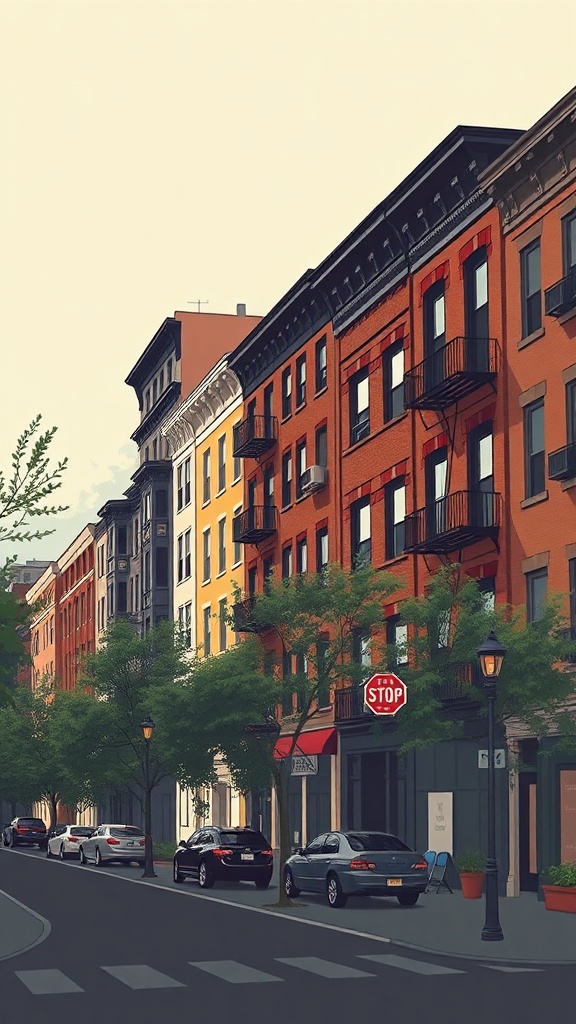
Transportation is walkable and well connected. Many attractions are within a short stroll of each other, making wandering the most rewarding way to experience the Village. Bike lanes, occasional ferry access points nearby, and multiple subway lines make the area easily reachable from other parts of the city. For mobility-impaired visitors, major streets and public spaces offer relatively accessible paths, though some of the older blocks retain historic steps and uneven sidewalks.
Practical tips: explore side streets and courtyards rather than sticking to main thoroughfares; visit early morning for quieter scenes and best light for photos; support independent businesses by buying a coffee or a book from neighborhood shops; and look for free or low-cost performances and readings at community centers and local bars.
Greenwich Village continues to be a living neighborhood rather than a museum piece. Its charm comes from a mix of old and new—artists, activists, artisans, and entrepreneurs all leave visible marks on the streets. Take time to linger, listen, and sample the small discoveries: a hidden bakery, an impromptu trio playing on a stoop, or a garden gate that opens onto a secret plot of green. Those moments capture the spirit of the Village better than any map.