The Upper East Side remains one of the most recognizable and desirable neighborhoods in Manhattan, offering a refined mix of culture, green space, and classic New York architecture. Whether you’re planning a visit or considering a move, the neighborhood blends museum-world prestige with everyday conveniences.
Culture and museums
Museum Mile stretches along Fifth Avenue, making the Upper East Side a cultural destination. Major institutions line this stretch, giving easy access to world-class art and design. Smaller, specialized museums and historic house collections add depth for those who prefer intimate galleries over big institutions. Many museums offer late hours and rotating exhibitions, so it’s worth checking schedules for special programs and events.
Parks and outdoor life
Central Park borders the neighborhood and provides endless options for recreation. Strolls along the Reservoir, weekend runs, picnics on the Great Lawn, and quieter walks through the Conservatory Garden all feel close at hand.
Tree-lined side streets and pocket parks create a residential calm that contrasts with nearby Midtown’s bustle.
Dining and nightlife
The Upper East Side has evolved beyond its traditional white-tablecloth image. Classic neighborhood eateries and elegant dining rooms coexist with contemporary bistros, specialty coffee shops, and artisanal bakeries.
Brunch is a neighborhood ritual, and many restaurants offer curated tasting menus and wine lists. For nightlife, expect low-key wine bars, intimate cocktail lounges, and a few late-night options rather than a club scene.
Shopping and architecture
Madison and Fifth Avenues are synonymous with upscale retail and designer showrooms. Alongside flagship stores, you’ll find independent boutiques, vintage shops, and specialty home stores.
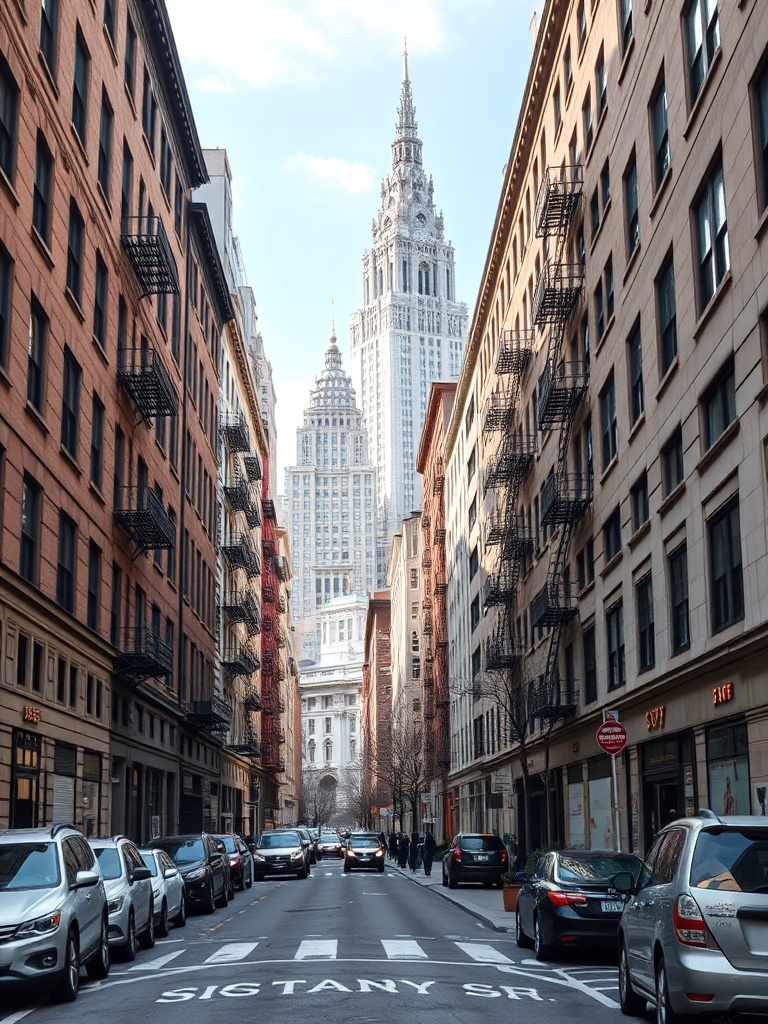
Architecturally, the area is a showcase of prewar co-op buildings, limestone townhouses, and newer luxury condominiums. Brownstones and brownstone-lined streets evoke classic New York charm, while newer developments offer modern amenities and skyline views.
Real estate and living
Housing ranges from graceful co-ops with doorman services to contemporary high-rises with full amenity packages. Co-op ownership remains common and often requires board approval, while condos offer greater flexibility for buyers.
Many families are drawn to the neighborhood for its quiet blocks, reputable private and public schools, and proximity to cultural resources. Renters appreciate the accessibility and variety of unit types.
Practical tips for visitors and new residents
– Walk when possible: the neighborhood rewards slow exploration.
– Time museum visits: arrive early or take advantage of extended hours to avoid crowds.
– Use multiple transit options: subways, buses, and Citi Bike make getting around straightforward.
– Expect neighborhood rules: many buildings have specific move-in protocols and service elevators—ask in advance if you’re planning a move.
– Explore side streets: some of the most charming cafés, galleries, and architectural gems are off the main avenues.
Why it still matters
The Upper East Side continues to attract people who value convenience, culture, and a quieter residential feel without leaving the city.
Its combination of world-class museums, easy access to vast parkland, classic architecture, and a diverse dining scene keeps the neighborhood relevant for a broad range of residents and visitors.
Whether you’re hunting for a new home, scouting a weekend itinerary, or simply exploring a quintessential slice of Manhattan, the Upper East Side offers a layered experience that feels both timeless and connected to contemporary city life.