The Upper East Side remains one of the city’s most identifiable neighborhoods, where museum-lined avenues, elegant brownstones, and boutique-lined streets blend with quiet residential pockets.
For visitors and longtime residents alike, the area offers a mix of cultural depth, refined dining, and leafy urban living that feels both classic and contemporary.
Cultural anchors define much of the neighborhood’s personality. Museum Mile along Fifth Avenue presents a concentration of world-class institutions that reward slow exploration—gallery halls, rotating exhibitions, and architecturally significant buildings invite repeat visits.
The Guggenheim’s spiraling gallery and the Metropolitan’s vast collections are perennial draws, while smaller institutions and specialty galleries offer fresher, niche programming. For those planning a day focused on art, pacing is key: pick a couple of venues, reserve timed entry where available, and leave space for a café stop between galleries.
Green space is a major lifestyle advantage. Central Park borders the neighborhood with multiple convenient access points, offering jogging loops, shaded promenades, and quieter lawns away from the busier southern stretches. Morning runs, weekend picnics, and sunset strolls are a constant, and tree-lined residential streets enhance the sense of calm that sets the neighborhood apart from busier Midtown corridors.
Shopping and dining balance long-standing luxury retail with evolving culinary offerings. Madison Avenue remains a showcase for designer boutiques and high-end showrooms, while smaller side streets hide independent shops, antique dealers, and curated home stores. On the dining front, classic dining rooms and refined bistros sit alongside modern, chef-driven kitchens and casual neighborhood cafés. The result is a food scene that accommodates special-occasion meals as well as relaxed brunches and strong coffee stops.
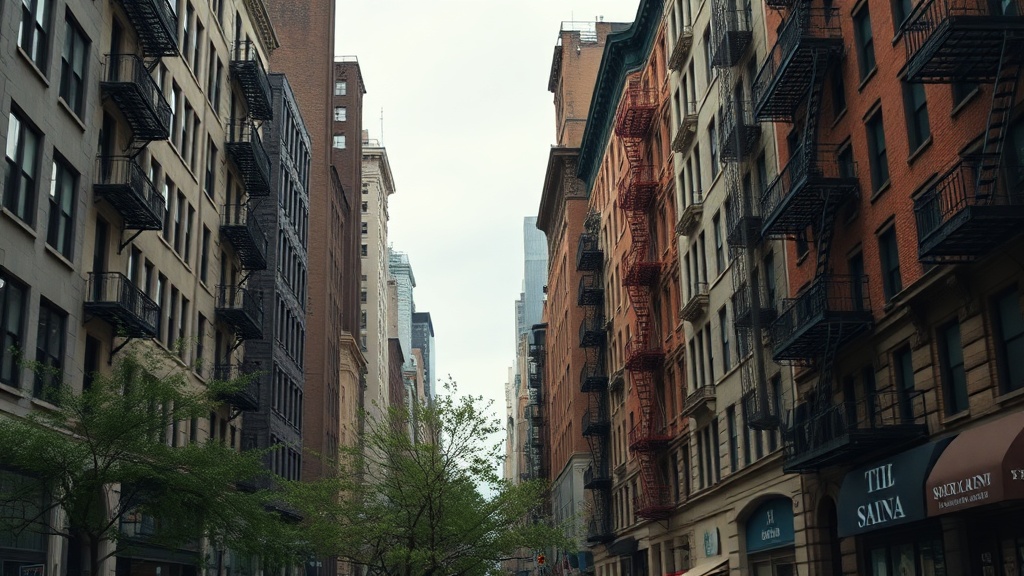
Residential character ranges from historic townhouses and prewar co-ops to sleek modern condominiums. Architecture buffs will appreciate the variety of facades and preserved details—stoops, arched windows, and ornate cornices—while buyers and renters tend to value proximity to cultural amenities, elite schools, and transit options. Co-op boards and preservation rules help maintain the neighborhood’s distinct aesthetic, even as new development appears in select pockets.
Getting around is straightforward. Multiple subway lines and crosstown routes connect the area to the rest of the city, and Citi Bike docks provide a convenient option for short trips. Walking remains the best way to absorb the neighborhood’s textures: from stoop-lined residential blocks to the ceremonial sweep of Fifth Avenue, much of what makes the Upper East Side appealing reveals itself on foot.
Tips for making the most of a visit:
– Focus on one area per outing: museum day, shopping & dining, or park & promenade.
– Book museum tickets in advance to avoid lines and secure timed entry.
– Explore side streets for hidden cafés, independent bookstores, and boutique shops.
– Combine a cultural visit with a longer walk through Central Park to balance indoor and outdoor experiences.
The Upper East Side continues to blend tradition with adaptive change. Its enduring reputation as a cultural and residential hub is supported by careful preservation, vibrant museum programming, and an evolving culinary and retail scene that keeps the neighborhood relevant and inviting. Whether seeking a serene city escape, a day of art, or a refined dining experience, the neighborhood remains a compact, accessible slice of the city with something for a wide range of tastes.