Upper East Side: A neighborhood where classic New York elegance meets quietly evolving city life. Known for Museum Mile and grand prewar buildings, this enclave continues to attract culture seekers, families, and anyone who values easy access to Central Park, upscale shopping, and a calmer pace without leaving the city.
Culture and museums
Museum Mile remains the neighborhood’s anchor. World-class institutions line Fifth Avenue, offering everything from encyclopedic collections to modern and specialized galleries. The architecture alone—the spiral of a landmark museum and beaux-arts façades—makes a walking museum crawl rewarding. Many venues run rotating exhibitions and evening programs that appeal to locals and out-of-town visitors alike, making weekday or late-afternoon visits a smart way to avoid peak crowds.
Dining and shopping
The dining scene blends long-standing white-tablecloth institutions with a growing roster of neighborhood-focused cafés, bakeries, and informal eateries.
Brunch culture is strong, but so is a refined dinner scene—steak, seafood, seasonal American, and international bistros are all within a few blocks of each other.
Madison Avenue remains the spine for luxury shopping, while side streets and avenues reveal independent boutiques, specialty food shops, and curated home stores.
Parks and outdoor life
Access to green space is one of the Upper East Side’s biggest draws. Central Park’s eastern edge is essentially an extension of the neighborhood—running, cycling, dog-walking, and quiet laps around the Reservoir are daily routines for many residents. Riverside and smaller pocket parks—well-kept and often less crowded—offer a quieter outdoor alternative. Waterfront promenades and scenic overlooks provide pleasant routes for morning exercise or evening strolls.
Real estate and neighborhood character
Real estate here ranges from grand co-op buildings with classic architectural detail to modern condominiums offering full-service amenities.
Townhouses and brownstones provide more intimate, residential options. Many buyers and renters prioritize proximity to parks, reputable schools, and convenient transit options. Streets closer to the park tend to command a premium, while blocks farther east can offer better value without sacrificing neighborhood conveniences.
Daily life and practical tips
– Transit: The neighborhood benefits from multiple subway lines and bus routes, as well as convenient crosstown options. Recent service and infrastructure improvements have made east-west travel more straightforward.
– Schools and services: A mix of public, private, and specialized schools gives families choices. Local markets, pharmacies, and medical practices are concentrated along major avenues.
– Crowds and timing: Tourist-heavy sections are busiest midday; aim for early mornings or weekday afternoons for a quieter visit to museums and restaurants.
– Walkability: Most errands can be accomplished on foot or by bike; ride-share and taxi service are readily available when needed.
Why it still matters
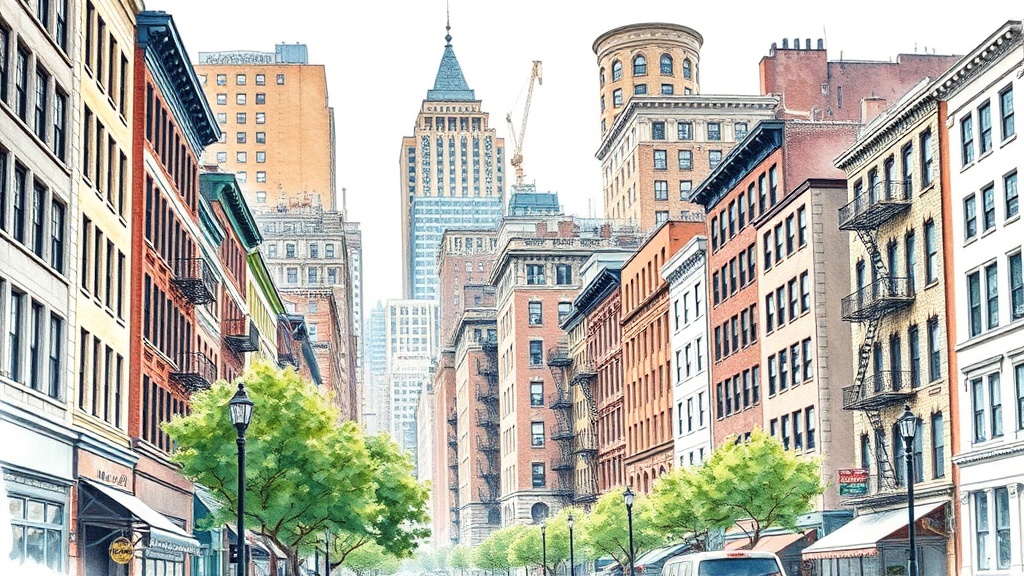
The Upper East Side combines a sense of history with subtle, ongoing change—new restaurants, updated retail concepts, and renewed public spaces keep the neighborhood feeling fresh while preserving the refined character that defines it. Whether planning a cultural day, scouting real estate, or simply enjoying a park-side coffee, the neighborhood rewards a thoughtful visit and remains one of the city’s most distinctive, livable quarters.
Plan a route: start with a museum visit, stroll down Madison Avenue for window shopping, stop for lunch at a neighborhood bistro, and finish with an afternoon in the park to experience the Upper East Side’s layered appeal.