Upper East Side guide: what to see, where to eat, and why the neighborhood still charms
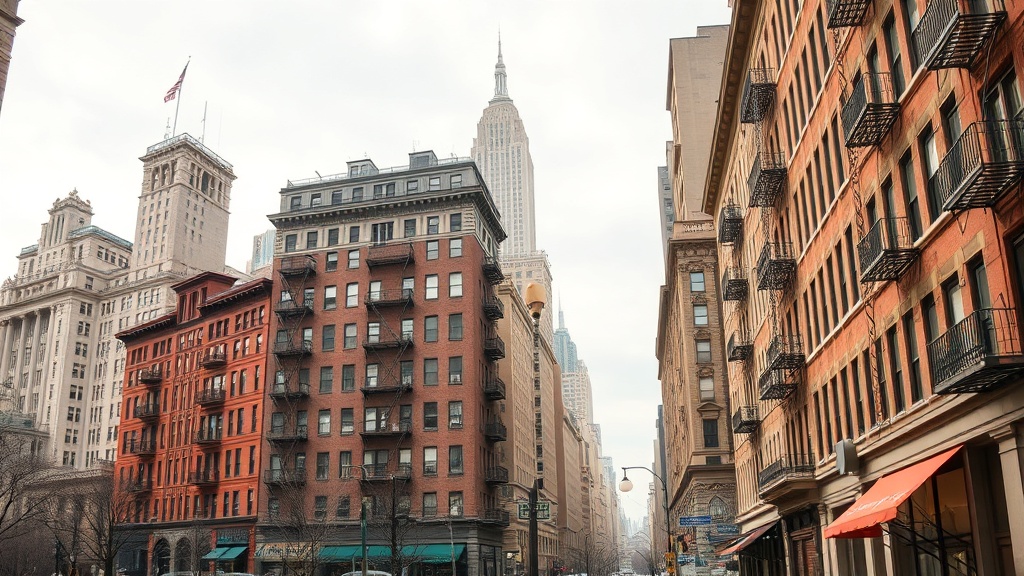
The Upper East Side remains one of the city’s most distinctive neighborhoods, blending museum culture, elegant shopping, leafy streets, and refined residential life. Whether you’re planning a weekend visit or considering a move, this guide highlights the essentials that define the area’s appeal.
Why visit
The stretch along Fifth Avenue known as Museum Mile is a major draw. World-class institutions cluster here, offering everything from encyclopedic collections to focused modern art and design.
After a museum visit, a short walk into Central Park provides instant green space—perfect for a stroll, a picnic, or a scenic jog along paths that feel quieter than in busier park sections.
Dining and nightlife
Dining skews toward refined bistros, classic neighborhood restaurants, and intimate wine bars. Madison Avenue is a great corridor for relaxed cafe mornings and upscale lunches; smaller side streets hide cozy spots ideal for date nights or quiet dinners. Nightlife is understated compared with other neighborhoods—think cocktail lounges, craft-beer bars, and jazz rooms rather than rowdy clubs—making the Upper East Side a go-to for more polished evenings out.
Shopping and boutiques
Madison and Lexington Avenues host designer boutiques and specialty stores alongside long-standing independent shops.
Window-shopping along these streets is a draw in itself, with interior design showrooms and antique dealers offering a taste of old-world luxury. For everyday needs, family-run grocers and artisanal food shops make life convenient for residents.
Parks and outdoor spaces
Beyond Central Park, smaller green spaces add charm: waterfront promenades along the East River, intimate playgrounds, and riverside esplanades are ideal for dog-walking and leisurely sunsets. Tree-lined residential blocks, brownstone facades, and well-kept co-op buildings create an attractive streetscape for walking or biking.
Real estate and living
Housing options include elegant prewar co-ops, luxury condos, and townhouses with doormen and concierge services. Buildings increasingly emphasize lifestyle amenities—fitness centers, package rooms, and private outdoor spaces—while many longtime residents still favor classic co-op layouts and historic details. The neighborhood attracts families, professionals, and cultural aficionados drawn to its stability and services.
Culture and community
Beyond museums, educational and cultural programming is abundant: fundraising galas, gallery openings, and public lectures fill neighborhood calendars.
Community conservancies and block associations often host cleanups and seasonal events, helping maintain a strong local identity. Well-regarded private and public schools, plus afterschool programs, make the area appealing to families.
Getting around
Public transit options provide solid connectivity: subway lines on the east side and bus routes that run crosstown and uptown/downtown make commuting straightforward.
Walking is often the fastest way to move between nearby destinations, and Citi Bike stations dot the area for short trips.
Tips for visitors
– Start early at popular museums to avoid crowds; reserve timed-entry tickets when available.
– Combine a museum visit with a walk through Central Park for a full-day outing.
– Explore side streets east of Lexington Avenue for quieter cafes and bakeries frequented by locals.
– If shopping, allocate time for boutique browsing—many stores offer personalized service and seasonal events.
Whether you’re savoring a quiet brunch, browsing a world-class collection, or admiring the townhouse architecture, the Upper East Side balances cultured activity with residential calm—making it a neighborhood that rewards slow exploration and repeated visits.