The Meatpacking District is one of the city’s most arresting neighborhoods: a compact grid of cobblestone streets, repurposed industrial buildings, and a lively mix of culture, dining, and design. Once defined by slaughterhouses and wholesale meat markets, the area has been transformed through careful preservation and adaptive reuse into a walkable destination that blends history with modern energy.
Why it stands out
The district’s architecture is a major draw. Brick warehouses and cast-iron facades now house flagship boutiques, designer showrooms, and intimate galleries, preserving texture and scale that many newer neighborhoods lack. The exposed beams and lofty windows of former industrial buildings make for striking retail and dining interiors, while the cobblestone streets retain a tactile sense of place.
Culture and public space
Two cultural anchors near the district elevate the visitor experience. An elevated linear park that runs through the neighborhood creates a green corridor lined with art installations and curated plantings, offering unique views from above city streets. Nearby, a prominent museum of American art with a dramatic entrance and terraces provides rotating exhibitions and panoramic vistas over the Hudson River and the city skyline. The waterfront itself is accessible through the Hudson River Park, where broad promenades, lawns, and piers invite walking, biking, and sunset watching.
Dining and nightlife
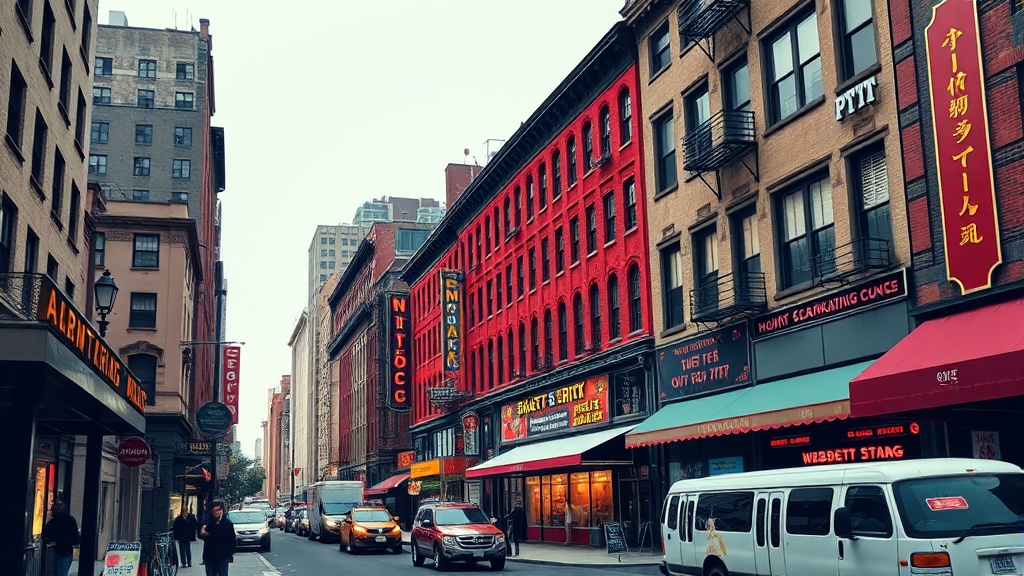
Food and nightlife here range from chef-driven tasting menus to casual markets and rooftop bars. Small-format restaurants and intimate dining rooms sit beside larger dining destinations, so it’s possible to find both laid-back comfort food and refined, multi-course experiences. After dark, the neighborhood offers cocktail lounges and late-night venues that attract a mix of locals and visitors. For a better evening out, book ahead for popular restaurants and arrive early for rooftop spots, where seating fills quickly.
Shopping and design
The area is a magnet for fashion and design buyers. High-end retailers, emerging designers, and concept stores sit alongside interior design showrooms and art galleries. Window-shopping is particularly rewarding along the district’s main corridors, with seasonal displays and often unexpected pop-ups.
Practical tips for visiting
– Wear comfortable shoes: cobblestones and uneven sidewalks are charming but can be tricky.
– Weekdays tend to be quieter for strolling and shopping; evenings are livelier for dining and nightlife.
– Public transit and bike-share stations are convenient; parking is limited and expensive.
– Check museum and park schedules for special events, outdoor installations, or evening hours that enhance the visit.
– Respect residential blocks—many buildings are mixed-use and neighbors value quieter hours.
A neighborhood that keeps evolving
The Meatpacking District remains a compelling case study in urban transformation. It balances historic preservation with contemporary uses, offering a concentrated experience of art, food, retail, and public space. Whether seeking a leisurely afternoon on an elevated park, a curated shopping trip, or a memorable dinner, the district rewards exploration and repeated visits as its mix of small businesses and programming continues to shift and surprise.