Tribeca remains one of New York’s most compelling neighborhoods — a blend of industrial character, high-end living, and a fiercely creative spirit.
Originally shaped by warehouses and shipping, the area now balances luxury lofts and boutique shops with art galleries, acclaimed restaurants, and leafy public spaces. That mix makes Tribeca a favorite for residents, visitors, and cultural tastemakers.
What makes Tribeca special is its texture: cobblestone streets, cast-iron facades and large factory windows that flood former industrial spaces with light. Those converted lofts and studios attract artists, architects and those drawn to open, airy interiors. The neighborhood’s quieter streets and family-friendly feel distinguish it from more frenetic parts of Lower Manhattan, while still offering quick access to the city’s cultural pulse.
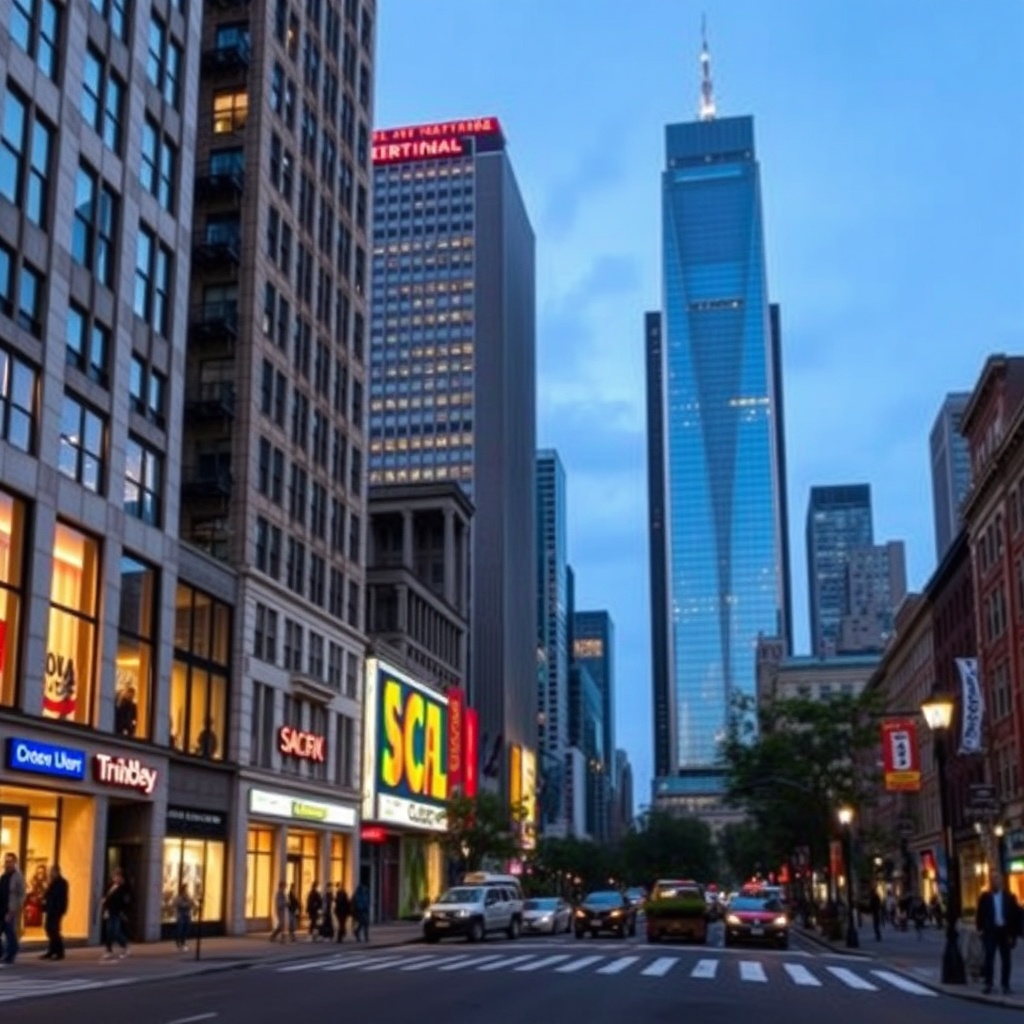
Dining is a major draw. Tribeca hosts a range of culinary experiences from intimate tasting menus to casual neighborhood bistros. Many kitchens focus on seasonal, locally sourced ingredients and inventive cocktails, so reservations are wise for popular spots. For casual afternoons, artisanal bakeries and coffee shops line the side streets, perfect for slow mornings and people-watching.
Culture here goes beyond restaurants.
The neighborhood is known for an influential film festival that draws international premieres and industry talent, supporting independent filmmakers and innovative storytelling. Galleries and creative spaces host rotating exhibitions and openings that reward frequent visits — check local listings for gallery nights and special events. Boutique shops and designer showrooms offer curated fashion and homewares that reflect Tribeca’s refined but playful aesthetic.
Outdoor life centers on parks and waterfront access. Neighborhood green spaces are great for families and dog walkers, while the nearby waterfront offers scenic walking and biking paths with views across the Hudson. These areas are popular for morning runs, sunset strolls and weekend picnics, and they often host community programming and pop-up markets.
Real estate in Tribeca tends toward high-end, with a strong market for loft conversions and luxury condominiums. Those seeking an authentic Tribeca experience often look for properties that preserve original architectural details — exposed brick, timber beams and oversized windows — while integrating modern amenities. Many buildings also offer resident-focused services and building events that foster neighborhood connections.
A few practical tips for visiting or living in Tribeca:
– Explore on foot to appreciate the architecture and discover tucked-away eateries and galleries.
– Book dinner reservations in advance, especially for weekend evenings and festival-related dates.
– Visit local markets and parks for a relaxed neighborhood vibe and community energy.
– Time gallery visits for openings or art walks to meet curators and artists.
– Use public transit and nearby ferry services for convenient access to other neighborhoods.
Tribeca’s blend of historic character and contemporary living creates a distinct urban experience. Whether you’re drawn by the dining scene, the arts, or the serene streets ideal for family life, the neighborhood rewards those who take the time to explore its layers. For anyone seeking a Lower Manhattan neighborhood that marries culture, comfort and commutable convenience, Tribeca continues to stand out.