Tribeca: Quiet Cobblestones, Big Personality
Tribeca has a distinct personality among Manhattan neighborhoods: an elegant mix of industrial history, high-end residential living, creative culture, and a surprisingly low-key street life.
Once defined by warehouses and shipping, the area now blends converted lofts, boutique shops, galleries, and some of the city’s most talked-about restaurants, all while keeping a calm, neighborhood feel.
What gives Tribeca its character
– Architecture: Cast-iron facades, high ceilings, exposed beams, and large windows are common in converted industrial buildings.
These lofts offer generous space and light that attract families, artists, and anyone seeking a quieter urban alternative to typical apartment living.
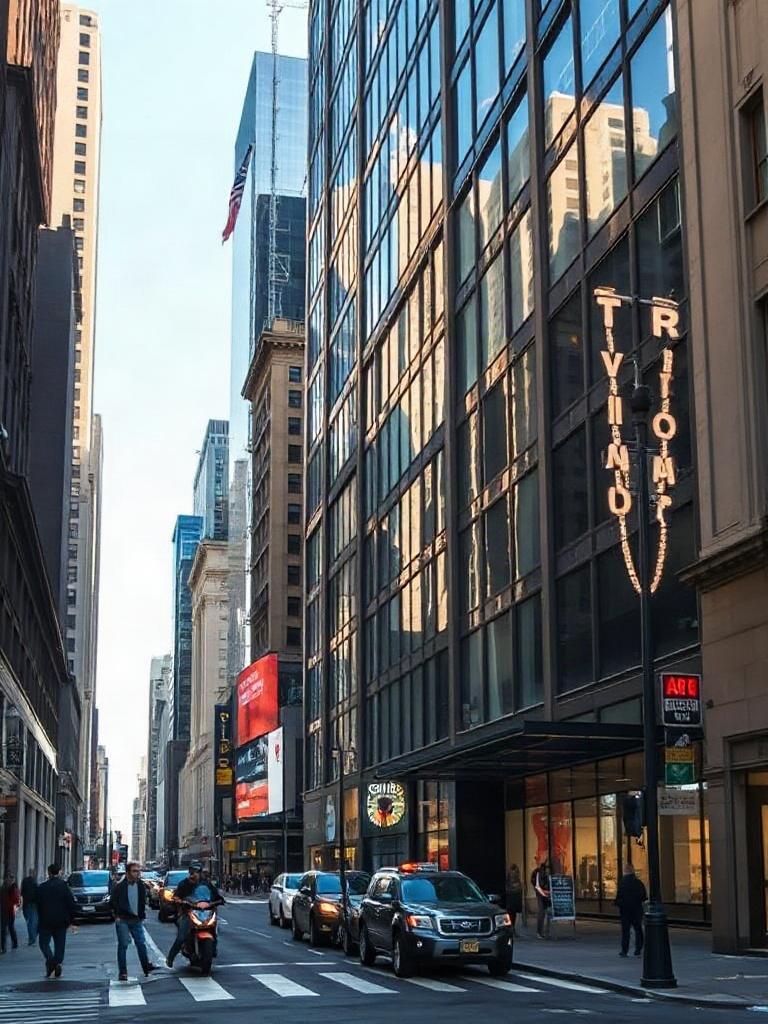
– Streetscape: Narrow avenues, cobblestone streets, and renovated industrial buildings set a different tone from Midtown’s glass towers. Waterfront access and small parks give residents outdoor options without leaving the neighborhood.
– Community vibe: A strong sense of local identity shows through weekend farmers’ markets, neighborhood eateries, and community-driven events. The area retains a residential calm that contrasts with nearby commercial hubs.
Things to do and see
– Dining and cafés: Tribeca has a reputation for top-tier dining alongside cozy neighborhood cafés. From inventive tasting menus to intimate bistros and laid-back brunch spots, options cover a wide range of tastes and budgets.
– Art and culture: Small galleries and creative studios are tucked into former warehouse spaces. Cultural events, screenings, and pop-ups regularly appear, supporting a vibrant creative community.
– Outdoor spaces: Parks and waterfront walkways offer jogging routes, bike paths, and sunset views over the Hudson. These green pockets make the neighborhood especially attractive for families and active residents.
– Shopping: Independent shops and specialty stores provide curated choices—home goods, fashion, and artisanal products—away from the crowded tourist corridors.
Practical living considerations
– Real estate: Demand is driven by spacious loft conversions, historic charm, and a reputation for privacy and safety. Buyers and renters should expect premium pricing compared with many other downtown neighborhoods. Working with a local agent who knows building histories and common co-op/condo issues can streamline the search.
– Transit: Well-connected by multiple subway lines and bus routes, Tribeca offers solid transit options for commutes and quick access to other parts of the city. Walking is often the most pleasant way to get around locally.
– Schools and family life: Parks, playgrounds, and family-oriented programming make the neighborhood welcoming for children. Childcare and school choices are plentiful, both public and private.
Tips for visitors
– Explore on foot: The best discoveries—hidden cafés, gallery openings, and architectural details—are often found wandering the side streets.
– Reserve ahead for dining: Popular restaurants can fill up, especially on weekends and evenings, so booking ahead helps avoid disappointment.
– Visit during quieter hours: Early mornings or weekday afternoons reveal a different, more relaxed side of the neighborhood.
Why Tribeca matters
Tribeca combines historic texture with modern comforts. It balances a creative pulse with residential calm, making it appealing for people who want the energy of city living without constant noise. Whether you’re drawn by the lofts, the food scene, or the cultural offerings, Tribeca feels like a neighborhood that has matured without losing its edge.