Tribeca remains one of Manhattan’s most magnetic neighborhoods, blending industrial heritage with a refined, residential energy that draws visitors and Long Islanders alike.
Known for its wide cobblestone streets, cast-iron facades and lofty apartments, this area is a showcase of adaptive reuse—where former warehouses and factories have become some of the city’s most desirable homes, creative studios and boutique hotels.
A cultural anchor for the neighborhood is the annual film festival that puts Tribeca on the global map each spring. The festival fills local theaters, pop-up venues and sidewalks with premieres, panels and street-level buzz, creating a festival-week atmosphere that spills into restaurants and bars. Beyond cinema, Tribeca’s art galleries and independent cinemas sustain a year-round calendar of art openings, screenings and community events, making it a lively cultural hub even outside festival season.
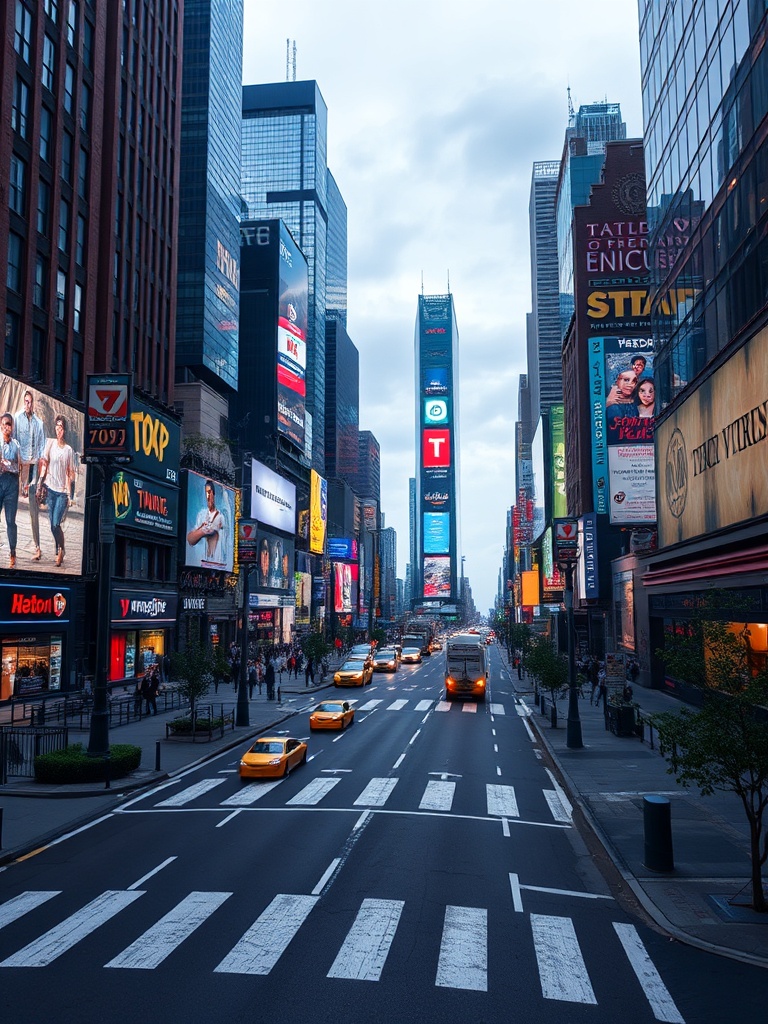
Dining in Tribeca ranges from neighborhood bakeries and brunch spots to tasting-menu restaurants led by acclaimed chefs. The culinary scene favors thoughtful, ingredient-driven kitchens alongside casual eateries and cozy cafés—ideal for everything from a business lunch to a celebratory dinner. Reservations are recommended for popular tables, and weekend mornings are the best time to sample bakeries and local coffee shops before the weekday rush.
Green space is a quiet surprise in this urban enclave. Washington Market Park provides a family-friendly playground and a weekend farmers market that draws neighbors for fresh produce, prepared foods and casual conversation. A short walk west leads to the Hudson River waterfront—stretching bike lanes, piers and open lawns where locals jog, skate and enjoy sunset views over the water.
Architecture lovers will appreciate Tribeca’s mix: preserved industrial buildings with soaring windows and exposed brick sit alongside contemporary glass towers. Loft conversions highlight original details—steel beams and high ceilings—while modern developments emphasize sustainability and smart building systems, reflecting the neighborhood’s shift toward environmentally conscious living and resilience against severe weather events that once reshaped waterfront planning.
Tribeca’s character also comes from its ease of walkability and connectivity. The neighborhood’s compact blocks make it perfect for exploring on foot, with boutique shops, design studios and independent bookstores tucked into side streets. Public transport and ferry services make accessing Tribeca straightforward, and bike lanes help connect riders to other parts of the city.
For families, Tribeca is notably welcoming. Schools, playgrounds and quiet residential streets make it an appealing choice for households seeking urban comfort without the constant bustle. Community organizations and local markets help sustain a neighborhood feel that balances residential life with cultural vibrancy.
Tips for visitors: stroll the cobblestone streets early to capture the architecture in soft light; check the festival and gallery calendars before planning a trip; book dinner reservations in advance for peak times; and allocate time to walk the waterfront for a different perspective of the neighborhood.
Whether you’re drawn by cinema, culinary exploration or architectural charm, Tribeca offers a layered experience—where historic character and modern living converge to create one of the city’s most dynamic and livable neighborhoods.