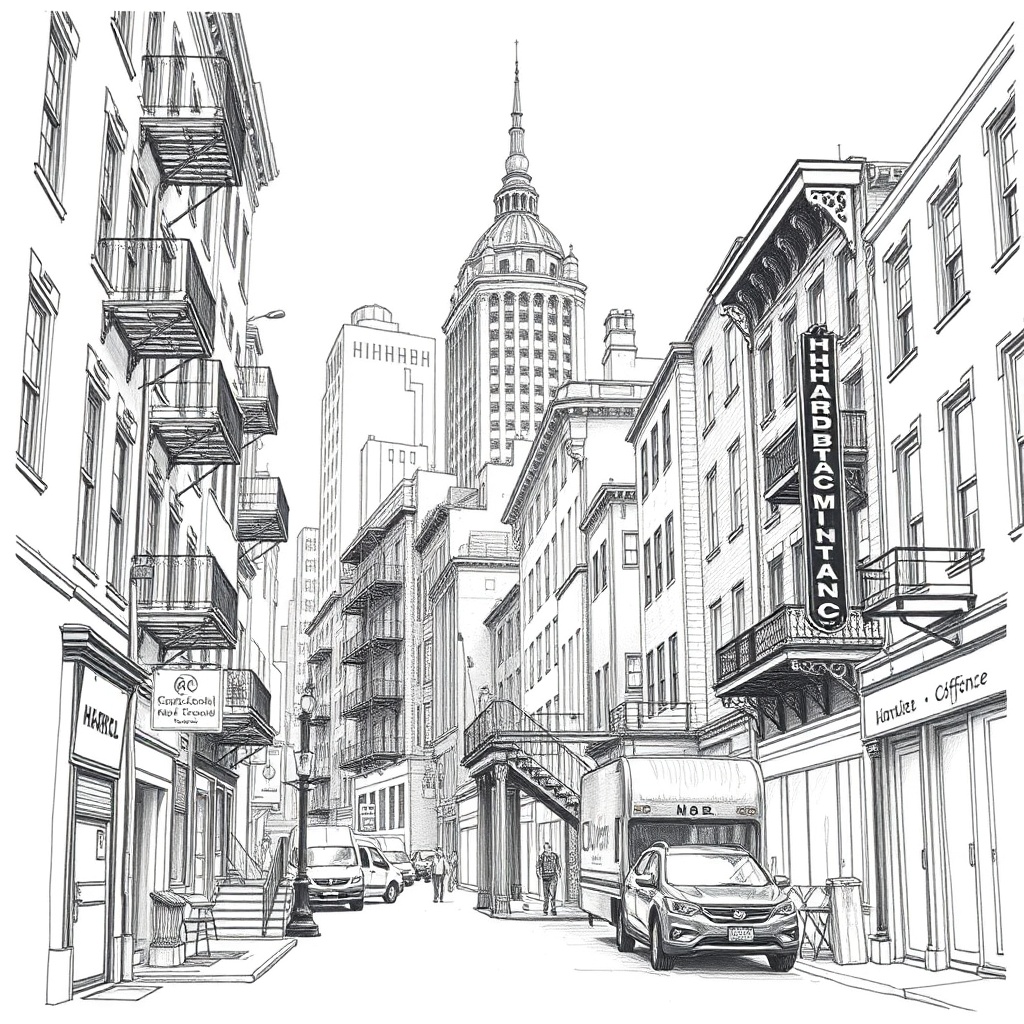
Harlem remains one of the most dynamic cultural neighborhoods in the city, where deep history meets contemporary creativity. Known for its central role in the Harlem Renaissance, the neighborhood still pulses with music, art, food, and community energy that reward both first-time visitors and longtime residents.
Cultural landmarks and must-see institutions
– The Apollo Theater continues to be a beacon for live music and emerging talent, offering everything from legendary Amateur Night lineups to headline concerts.
– The Schomburg Center for Research in Black Culture houses archives and exhibits that trace African diasporic history and influence, making it essential for anyone interested in cultural heritage.
– The Studio Museum in Harlem champions Black artists and curatorial voices, and neighborhood galleries and pop-up spaces showcase cutting-edge contemporary work.
– Hamilton Grange and Marcus Garvey Park provide green space, history, and regular community programming that make great starting points for a neighborhood stroll.
Food, drink, and culinary evolution
Harlem’s dining scene blends classic soul food with innovative global flavors. Longstanding eateries serve beloved comfort dishes, while new restaurants offer modern interpretations of Southern, West African, Caribbean, and Latin cuisines. Brunches, rooftop lounges, and late-night spots coexist alongside markets and bakeries, creating an appealing mix for food lovers. Look for family-run venues and chef-driven kitchens that emphasize seasonal ingredients and local sourcing.
Music, nightlife, and live performance
Music is woven into Harlem’s identity: jazz clubs and intimate venues host improvisational nights; gospel choirs fill local churches on Sunday mornings; and outdoor concerts and community festivals animate the neighborhood during warmer months. Whether you’re attending a formal performance or dropping into a smaller club for a set, live music is an essential part of the Harlem experience.
Architecture and neighborhood character
Walking through Harlem reveals an array of architectural styles—brownstones, row houses, landmark blocks like Strivers’ Row, and repurposed commercial buildings that now host boutiques, cafes, and creative studios. Tree-lined streets and pocket parks create a layered urban fabric that’s both walkable and photogenic.
Community, commerce, and challenges
Harlem’s revitalization has brought investment, new businesses, and cultural attention, while also raising important conversations about affordable housing, displacement, and preserving the neighborhood’s cultural backbone. Local organizations, small-business owners, and cultural institutions are active in efforts to maintain community access and cultural continuity. Supporting Black- and locally-owned businesses helps sustain the area’s character and economic resilience.
Practical tips and experiences
– Take a walking tour along 125th Street to discover shops, landmarks, and murals.
– Catch a show or an open-mic night at a neighborhood venue.
– Visit a gospel service for a powerful music experience.
– Try a soul food meal at a community-favorite restaurant, then compare it with a modern take at a new chef-driven spot.
– Explore local galleries during art walks or pop-up events.
Harlem’s appeal comes from its layered history and the creativity that continues to emerge from its streets. Whether your interest is music, food, visual art, or simply exploring vibrant urban neighborhoods, Harlem offers a memorable mix of tradition and contemporary culture—best experienced on foot, with curiosity, and with an eye toward supporting the people and places that keep it thriving.