The Meatpacking District blends gritty industrial heritage with polished urban chic, creating one of the most dynamic neighborhoods for dining, design, and nightlife.
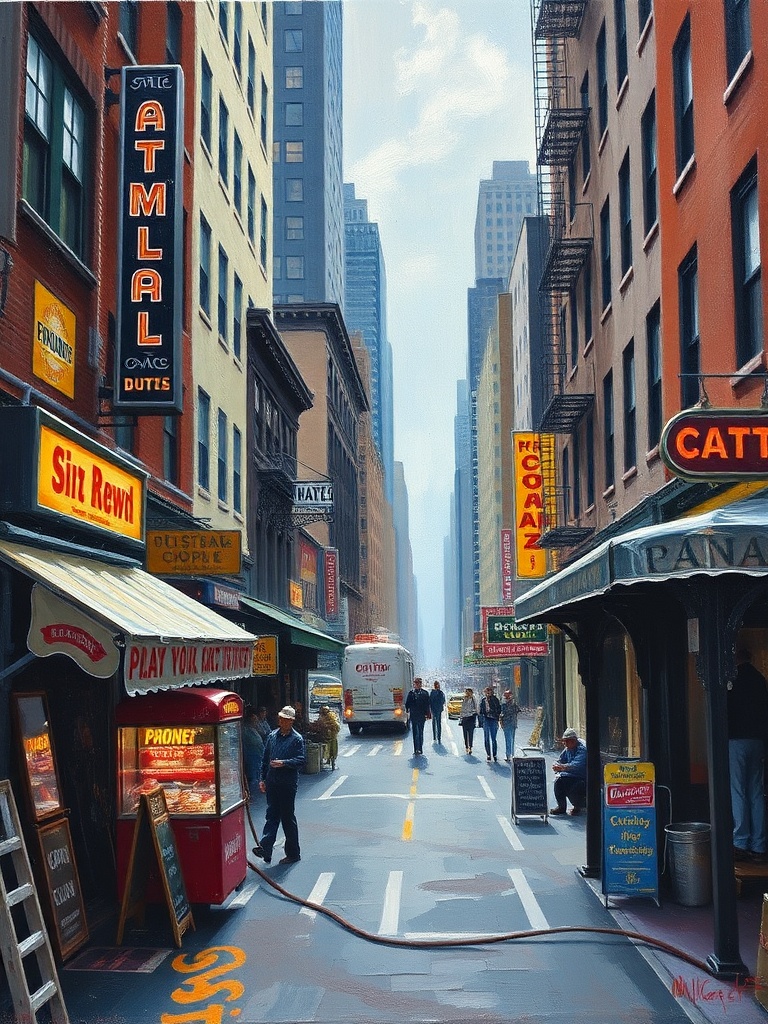
Once dominated by slaughterhouses and freight rail, the area has been carefully reinvented while keeping signature elements such as cobblestone streets and cast-iron facades that give the neighborhood its unmistakable character.
What to see and do
– High Line: A short stroll from the neighborhood brings visitors to an elevated park built on a former freight rail line.
The landscaped walkway offers unique views of art installations, Hudson River glimpses, and changing plantings that make for excellent photography opportunities at golden hour.
– Whitney Museum of American Art: Located on the western edge, the museum focuses on modern and contemporary American artists.
Its terraces and galleries often host rotating exhibitions and provide scenic city views.
– Chelsea Market & Local Markets: Nearby indoor markets and artisanal food halls are ideal for sampling global flavors, picking up specialty foods, and browsing craft stalls. Food vendors range from casual bakeries to inventive seafood bars.
– Hudson River Park & Piers: Waterfront promenades and green piers invite walking, running, biking, and peaceful sunset watching.
The piers’ lawns and benches are popular for relaxing after exploring the neighborhood.
Dining and nightlife
The restaurant scene is varied and vibrant. Expect a mix of upscale tasting menus, farm-focused bistros, seafood specialists, and late-night lounges. Rooftop bars and intimate cocktail spots populate the compact streets, making the area a magnet for after-work drinks and celebratory dinners. Weekends can be lively, so reservations are recommended for popular spots. Dress codes are generally smart-casual for higher-end venues.
Shopping and culture
High-fashion boutiques sit alongside independent designers, concept stores, and contemporary art galleries. Many retail spaces occupy restored industrial buildings, offering a shopping experience that feels both modern and rooted in the neighborhood’s past. Window displays, seasonal pop-ups, and curated shop events keep the retail landscape fresh.
Architecture and preservation
Adaptive reuse is a defining trend here.
Old packing plants and warehouses have been transformed into mixed-use buildings while retaining structural details like exposed brick, large windows, and heavy timber beams. Preservation efforts emphasize maintaining the historic streetscape while supporting sustainable renovations and modern amenities.
Practical tips
– Wear comfortable shoes: cobblestone streets add charm but can be uneven.
– Plan transportation: parking is limited; public transit, bike-share, and rideshares are efficient ways to reach the area.
– Accessibility: many newer venues are wheelchair-accessible, but older buildings with historic features may have uneven surfaces—check ahead for specific access needs.
– Timing: weekdays offer a quieter experience for galleries and daytime walks; evenings and weekends are best for dining and nightlife.
Local vibe and what to expect
The neighborhood balances tourist appeal with local sophistication.
During the day it’s a hub for architecture lovers, art fans, and foodies; after dark it becomes a destination for nightlife and social gatherings. A commitment to thoughtful preservation, creative reuse, and contemporary culture keeps the district vibrant and relevant without losing the textures of its industrial roots.
Whether arriving for a museum visit, a long meal, or an evening out, the Meatpacking District rewards exploration on foot. Its mix of cobblestone charm, cutting-edge dining, and riverside green space makes it a memorable part of the city’s urban fabric.