Harlem: A Vibrant Neighborhood Where Culture, Music, and Food Converge
Harlem is a neighborhood that blends deep cultural roots with an evolving creative energy, making it a must-visit for culture seekers and curious travelers. Known for its role in the Harlem Renaissance, this area remains a living, breathing center for music, visual art, theater, and soul food.
What to Experience
– Live music and nightlife: Harlem’s jazz and gospel scenes are central to its identity. Catch a late-night set at historic clubs or discover intimate venues where jazz, blues, and contemporary sounds intersect.
Sunday morning gospel services offer powerful music and community atmosphere — visitors often find the experience life-affirming.
– Theaters and performance spaces: The Apollo Theater stands as an iconic stage where established artists and emerging talent shine. From amateur nights to headline shows, it’s a cultural anchor that continues to draw audiences from around the city and beyond.
– Art and museums: Small galleries, public art, and dedicated institutions showcase Black artists and narratives.
These spaces prioritize contemporary voices while honoring historical legacies, making Harlem a hub for creative exploration.
– Food and dining: Harlem is synonymous with soul food and global cuisine. Classics coexist with modern takes on comfort cooking — diners can find everything from legendary spots serving fried chicken and collard greens to contemporary restaurants reimagining traditional flavors. Community-focused cafes, bakeries, and cocktail bars round out the dining scene.
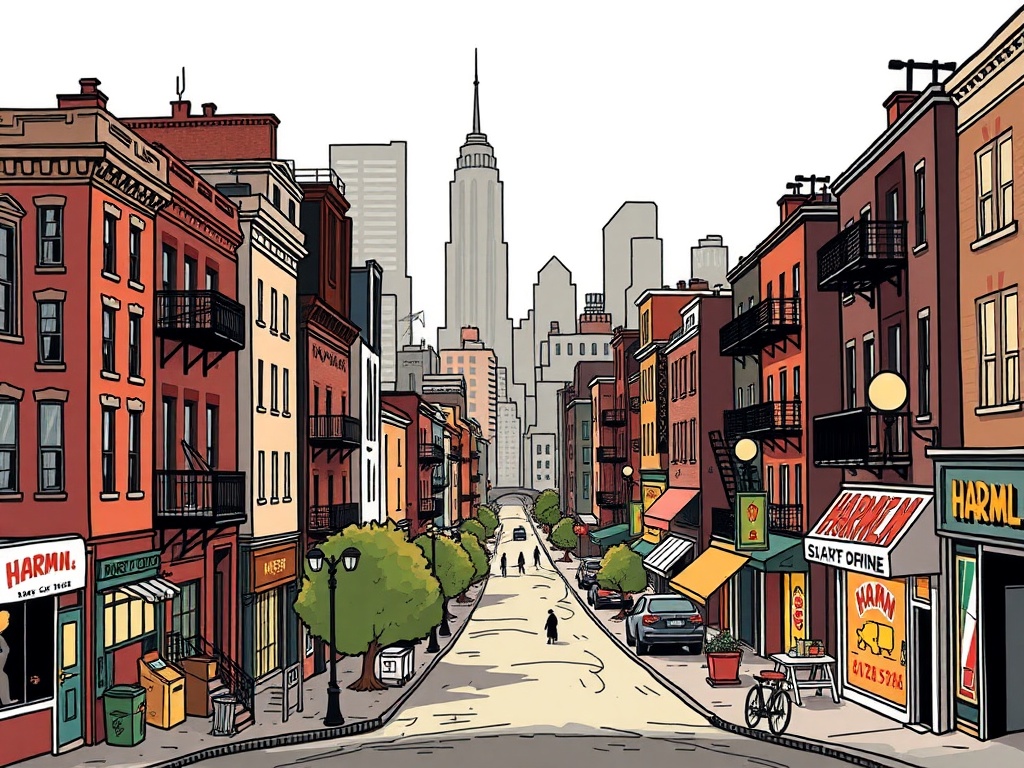
– Architecture and streetscapes: Stroll brownstone-lined blocks, discover ornate churches, and explore the lively corridors around central avenues. Public parks and green spaces offer respite and seasonal programming, from outdoor concerts to community gatherings.
Practical Tips for Visiting
– Plan around performances: If you want to attend a concert or a gospel service, check schedules and reserve tickets or seats when possible.
Weekend nights and Sunday mornings are often the most vibrant.
– Eat like a local: Popular restaurants can fill up quickly; consider arriving early or booking a table.
Don’t miss neighborhood bakeries and bodegas that serve up unexpected delights.
– Explore on foot: Walking reveals murals, community gardens, and local shops that you won’t find from a bus window.
Wear comfortable shoes and let the neighborhood guide your route.
– Support small businesses: Harlem’s economy thrives on independent restaurants, salons, bookstores, and art spaces.
Shopping local helps sustain neighborhood character and creativity.
– Check community calendars: Farmers markets, cultural festivals, and pop-up events happen frequently.
Following neighborhood event pages or local listings helps you catch special happenings.
Cultural Context and Change
Harlem continues to balance preservation and change. Longstanding cultural institutions sit alongside new developments, and conversations around affordability, local ownership, and cultural preservation remain active.
Engaging respectfully with the community — learning about local history, supporting neighborhood enterprises, and attending public programs — deepens any visit.
Why Harlem Matters
More than a destination, Harlem is a cultural compass pointing to stories of resilience, innovation, and artistic brilliance. For visitors and residents alike, it offers an immersive experience of music, food, art, and community life.
Whether you’re there for a show, a soulful meal, or a walk through historic streets, Harlem delivers moments that resonate long after you leave.
Plan your visit, check event listings before you go, and let Harlem’s music and flavors show you why this neighborhood remains a vital cultural landmark.