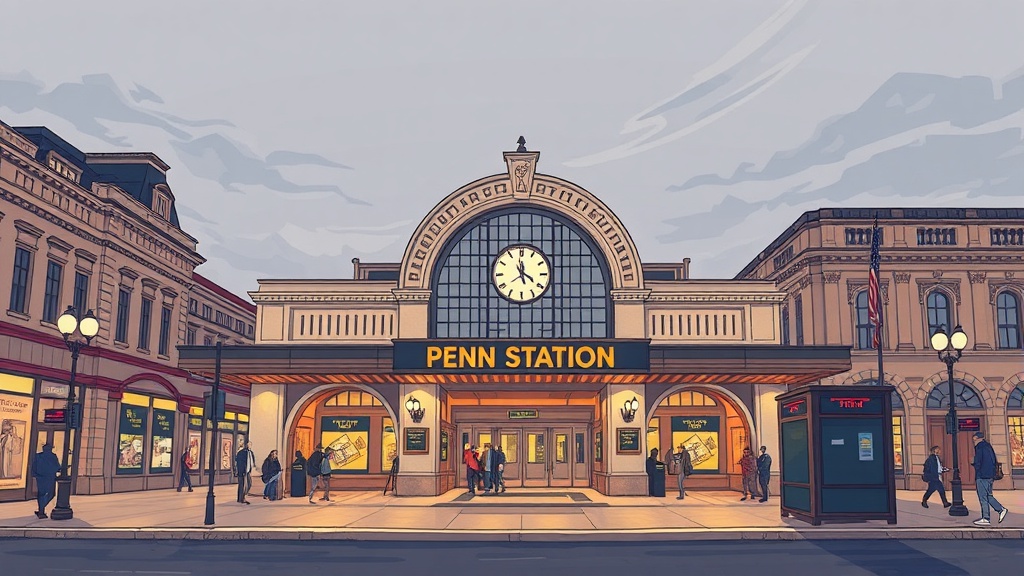
Penn Station remains one of the busiest and most important transit hubs in the country, serving Amtrak, New Jersey Transit and the Long Island Rail Road. Whether you’re arriving for a business meeting, heading to a concert at the venue above, or connecting across the region, a little planning can turn a hectic transfer into a smooth experience.
What to expect on arrival
The station is sprawling, with multiple entrances and distinct concourses. Signage points toward Amtrak, NJ Transit and LIRR, but signage alone can feel overwhelming during peak periods. Moynihan Train Hall — the expanded concourse across the avenue in the landmark post office building — provides a brighter, more spacious entry point for many intercity travelers and connects to the main Penn Station complex. Follow directional signs or use station maps on the rail carriers’ mobile apps to confirm which concourse your train departs from.
Ticketing and real-time info
All three carriers offer mobile ticketing and real-time train updates.
Purchasing or downloading tickets before you arrive saves time; if you prefer paper, ticket windows and vending machines are available but can have lines during rush hours. Digital displays announce track assignments; note that track numbers can change close to departure, so re-check displays if you have time between connections.
Navigating crowds and connections
Plan extra time for transfers—platforms are deep underground and moving between services can require long walks, stairs or escalators. Luggage storage options are limited within the station itself, though private vendors nearby can handle bags for a fee. If you’re sensitive to crowding, avoid the busiest commuter windows when possible, and consider off-peak travel for a more relaxed experience.
Accessibility and safety
Elevators, ramps and tactile guidance are available at many entry points, and staff are on hand to assist passengers with mobility needs—reach out to the carrier you’re traveling with before arrival to arrange assistance. Security is provided by transit and rail police; keep personal items secure, remain mindful of your surroundings, and report unattended bags or suspicious activity to station staff.
Food, shopping and nearby attractions
There are dozens of food and retail options within and around the complex, from quick coffee and grab-and-go sandwiches to sit-down restaurants. The station sits atop or adjacent to major Manhattan destinations—an arena, shopping corridors, and cultural venues are all within easy walking distance—making Penn Station a convenient arrival point for many kinds of trips.
Practical tips for a better visit
– Check platform assignments frequently; they can change close to departure.
– Use the carriers’ mobile apps for eTickets and service alerts to avoid lines and unexpected delays.
– If heading to a performance at the arena above, allow extra time for exiting the venue after the show—crowds can be heavy.
– For connections to subway lines and buses, follow signs carefully; some transfers require crossing streets or walking a few blocks.
– Keep a portable charger and a small snack handy—long waits and signal-challenged areas make these lifesavers.
Ongoing improvements and big-picture outlook
The station and surrounding infrastructure have been the focus of significant investment and planning aimed at easing congestion and improving the passenger experience. Projects range from concourse enhancements to larger regional tunnel and capacity initiatives that, when completed, are intended to increase resilience and throughput for the entire corridor.
Travelers who know the layout, use digital tools, and allow a bit of extra time find Penn Station an efficient gateway to the city and the region. With amenities, improved concourse options, and multiple transit connections, it remains a central hub for millions of journeys every year.