Meatpacking District: Where Industrial Grit Meets Modern Cool
A compact neighborhood with big personality, the Meatpacking District blends industrial heritage, high-fashion energy, and a buzzy food-and-nightlife scene. Once a working hub of slaughterhouses and warehouses, the area has been transformed through adaptive reuse into a walkable enclave of cobblestone streets, boutique shops, galleries, and destination restaurants — all while keeping hints of its rough-hewn past.
What to see and do
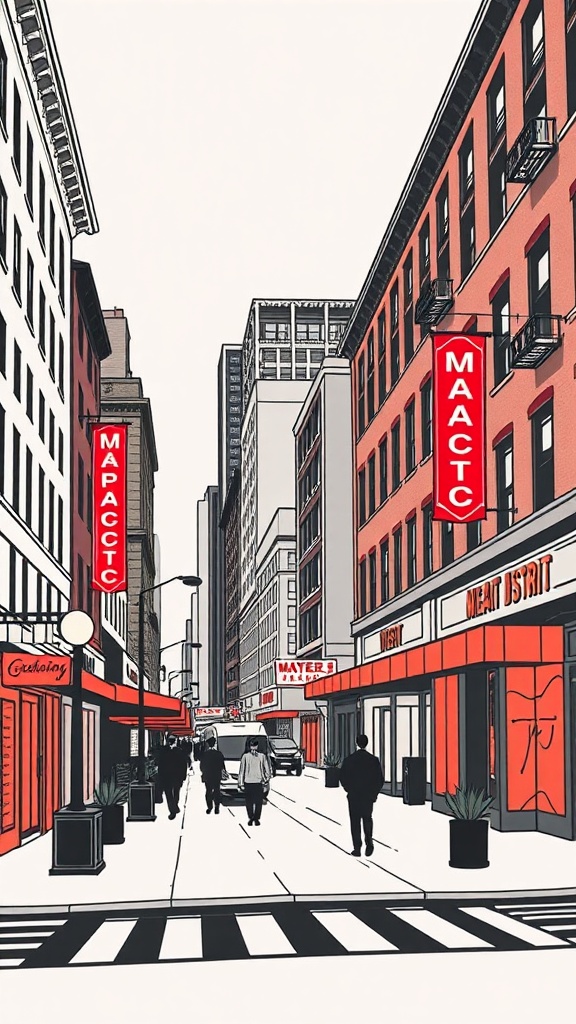
– Walk the cobblestones: Start on Gansevoort Street and wander north and west. The preserved cobblestone streets and cast-iron storefronts give the district a distinctive texture that’s great for photography and people-watching.
– High Line access: The elevated park runs along the neighborhood’s edge, offering a lush, linear greenway with art installations and skyline views. Strolling the High Line is one of the best ways to sense how the Meatpacking District bridges industrial history and contemporary urban design.
– Galleries and design: Small galleries and designer showrooms punctuate the area.
Window-shopping here feels like a curated tour of contemporary art, fashion, and interior design.
– Museums and markets: A major modern art museum anchors one end of the district, while nearby markets showcase diverse food vendors and artisanal goods — perfect for casual bites or more ambitious culinary exploration.
– Rooftops and nightlife: Rooftop bars and intimate clubs are plentiful, offering sunset cocktails and late-night dancing. The dining scene ranges from small, inventive bistros to multi-course tasting menus; reservations are recommended for popular spots.
Dining and shopping
The district is a culinary mosaic: upscale tasting menus sit beside inventive casual eateries and international street-food stalls. Specialty food shops and bakeries make it easy to build an impromptu picnic for the High Line.
Retail skews toward boutique fashion and lifestyle brands, with a focus on unique finds rather than big-box shopping.
Architecture and preservation
A defining feature is adaptive reuse — warehouses converted into glass-and-steel stores, hotels, and residences that retain exposed brick, beams, and original details.
This preservation-conscious approach has kept the neighborhood’s historic character intact while allowing for contemporary interventions in architecture and landscape.
Practical tips
– Timing: Weekday mornings are quieter and ideal for photography and gallery visits. Evenings are lively; if you prefer a calmer experience, choose an earlier dinner or a late-afternoon stroll.
– Getting there: Public transit and rideshare are the easiest options. Street parking is limited and often metered.
– Walkability: The neighborhood is highly walkable but uneven in spots due to original cobblestones. Comfortable shoes are recommended.
– Reservations and tickets: Popular restaurants and museum slots can fill up quickly.
Book reservations and timed-entry tickets in advance when possible.
– Stay mindful: As with many dense urban neighborhoods, be aware of your belongings in crowded places and follow posted rules for bikes and scooters on the High Line.
Why it matters
The Meatpacking District is a case study in how cities can evolve. Its fusion of historic preservation, creative reuse, and forward-looking public space demonstrates a model for revitalizing industrial neighborhoods without erasing character. Whether you’re there for the food, fashion, art, or the unique urban fabric, the neighborhood offers a compact but richly textured experience that rewards exploration.