The Meatpacking District remains one of the city’s most magnetic neighborhoods — where industrial grit meets polished design, and history meshes with high-energy dining, shopping, and culture.
A short stroll through the district offers cobblestone streets, preserved brick and cast-iron buildings, and a compact mix of attractions that reward both first-time visitors and longtime locals.
Neighborhood character
Once dominated by slaughterhouses and wholesale meat vendors, the area kept its sturdy industrial architecture while reinventing itself as a fashion and nightlife hub. The historic district designation protects the old buildings and narrow streets, giving the neighborhood a cinematic quality that’s perfect for walking tours and photography. Expect an eclectic streetscape: boutique showrooms, art galleries, and creative offices occupy former warehouses, while outdoor seating and neon signs add a lively urban texture.
What to do
– Walk the High Line: The elevated park runs along the northern edge and offers planted pathways, public art, and skyline views. Access points near the district make it an easy, scenic connector to other neighborhoods.
– Visit Chelsea Market: A short walk away, this food hall and shopping complex is a go-to for artisanal foods, bakeries, and specialty shops.
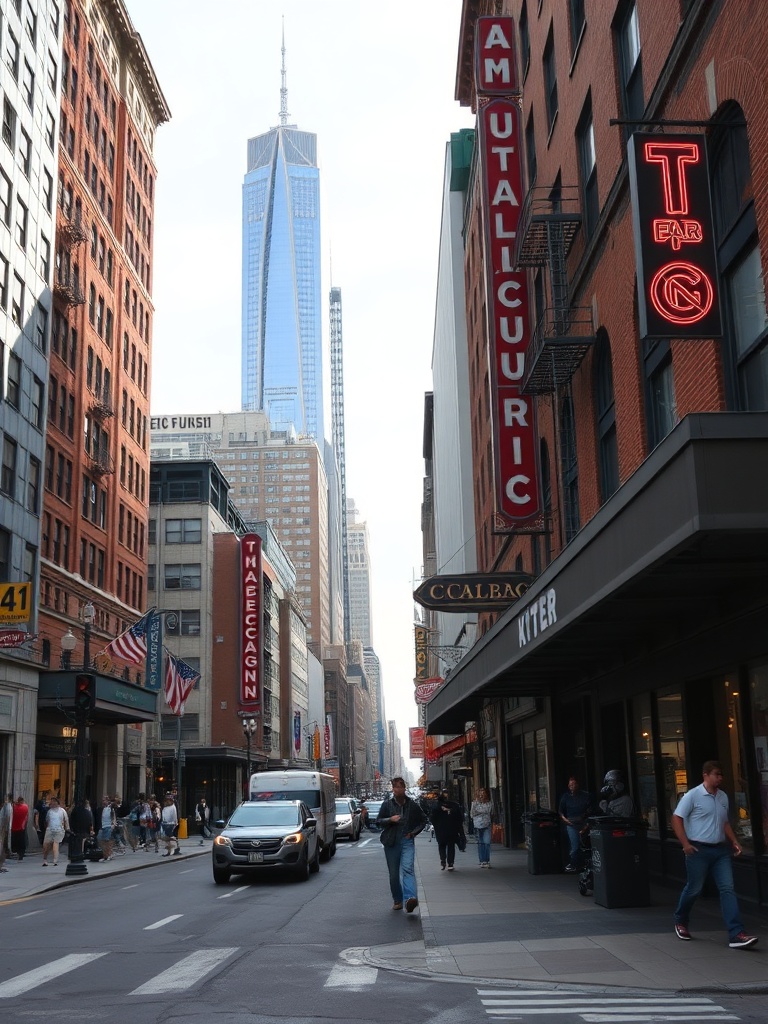
– See a museum: The nearby contemporary museum provides rotating exhibitions that complement the neighborhood’s creative energy.
– Shop and browse: Independent boutiques, designer showrooms, and seasonal pop-ups create a dynamic retail mix. Look for local designers and curated concept stores.
– Nightlife and dining: The district is known for buzzy restaurants, rooftop bars, and intimate cocktail lounges. Many venues are reservation-friendly and often require dress codes for late-night spots.
Dining and nightlife
Culinary options range from chef-driven tasting menus to casual seafood and globally inspired small plates. Rooftop bars and terraces draw crowds with skyline views and DJ sets after dark; some venues operate with limited capacity and cover charges, so checking ahead helps avoid surprises. For a calmer experience, weekday evenings and early dinners provide a chance to sample top restaurants with shorter waits.
Practical tips
– Best times to visit: Weekday mornings and early afternoons are quieter for wandering and shopping. Evenings and weekend nights are livelier but more crowded.
– Reservations and dress: Popular restaurants and nightlife spots often require reservations or have entry policies. Confirm dress codes and booking rules before you go.
– Getting around: The district is highly walkable and connected to multiple transit options. Taxis, rideshares, and nearby subway and bus routes make access straightforward.
– Photography: Cobblestones, ironwork, and the High Line provide compelling backdrops. Be mindful of private property and outdoor dining setups when framing shots.
Sustainability and community
Many local businesses emphasize sustainable sourcing, seasonal menus, and small-batch products. Community-driven events and popup markets showcase local makers, while preservation efforts keep the neighborhood’s architectural heritage intact.
Why go
The Meatpacking District delivers a concentrated taste of urban reinvention: industrial bones, preserved streets, and a curated mix of food, fashion, and culture. Whether planning a day of museum hopping, a culinary crawl, or a night out, the neighborhood offers a compact, walkable experience that captures the city’s knack for blending history with contemporary life.