Meatpacking District: Where Industrial Grit Meets Curated Cool
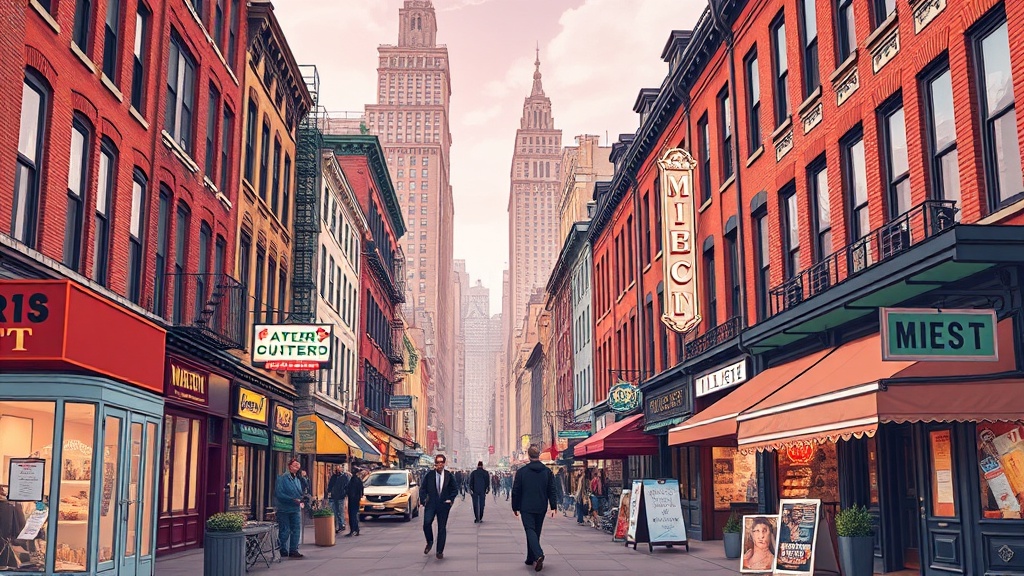
Once an industrial hub of slaughterhouses and packing plants, the Meatpacking District has evolved into one of the city’s most dynamic neighborhoods without losing its character. The signature cobblestone streets, repurposed brick warehouses, and low-slung industrial storefronts now house cutting-edge fashion, galleries, rooftop bars, and acclaimed restaurants—making the district a concentrated blend of history, culture, and nightlife.
What to see and do
– Walk the High Line: This elevated park opens up unique vantage points over the Meatpacking District, offering landscaped paths, public art, and seasonal plantings that contrast with the neighborhood’s urban textures.
– Visit contemporary art spaces: Several galleries and a major modern art museum on the border provide rotating exhibitions and weekend programming that reward repeat visits.
– Explore Chelsea Market and Gansevoort Market: Food halls and specialty shops offer everything from artisanal coffee and seafood to boutique groceries—perfect for casual dining or sourcing gourmet ingredients.
– Window-shop designer boutiques: The district’s curated retail mix ranges from flagship luxury stores to independent designers, all framed by the area’s industrial aesthetic.
– Nightlife and rooftop bars: When lights come on, the area transforms. Cocktail lounges, DJ-driven clubs, and rooftop terraces provide options for a laid-back evening or an energetic night out.
Dining scene
The culinary landscape is diverse: fine-dining tasting menus sit next to inventive small plates, farm-to-table concepts, and elevated comfort food. Expect chefs who prioritize seasonality and local sourcing, plus specialty butchers and artisanal purveyors that nod to the area’s original purpose. Many restaurants offer reservations, while others maintain a first-come, first-served vibe—checking menus and booking in advance helps on busy nights.
Architecture and atmosphere
Adaptive reuse defines the feel: original warehouse bones, ironwork details, and cobbled lanes remain intact, woven together with contemporary glass facades and sculptural installations. This juxtaposition makes the neighborhood photogenic and walkable, ideal for architecture lovers and casual strollers alike. Daytime brings shoppers and museum-goers; evenings highlight dining and entertainment.
Practical tips
– Best times to visit: Daytime is great for markets, museums, and the High Line; evenings are lively for dining and nightlife. Weekends are busiest—weekday visits offer a calmer experience.
– Getting around: The district is compact and pedestrian-friendly, with bike lanes and plentiful cab or rideshare access. Public transit options connect easily to surrounding neighborhoods.
– Dress and etiquette: Dress ranges from casual to upscale depending on venue. For popular restaurants and clubs, reservations or guest-list confirmations avoid long waits.
– Safety: Like most central neighborhoods, stay aware of surroundings after dark and use well-lit streets and main thoroughfares.
Why it endures
The Meatpacking District’s appeal comes from its ability to merge past and present—honoring industrial roots while embracing contemporary culture. It remains a testing ground for culinary innovators, fashion launches, and public art, all within a compact, walkable area. Whether the goal is an afternoon on the High Line, a market-fresh lunch, or a night of cocktails and live music, the district continues to offer an energetic, layered experience that draws local and international visitors alike.