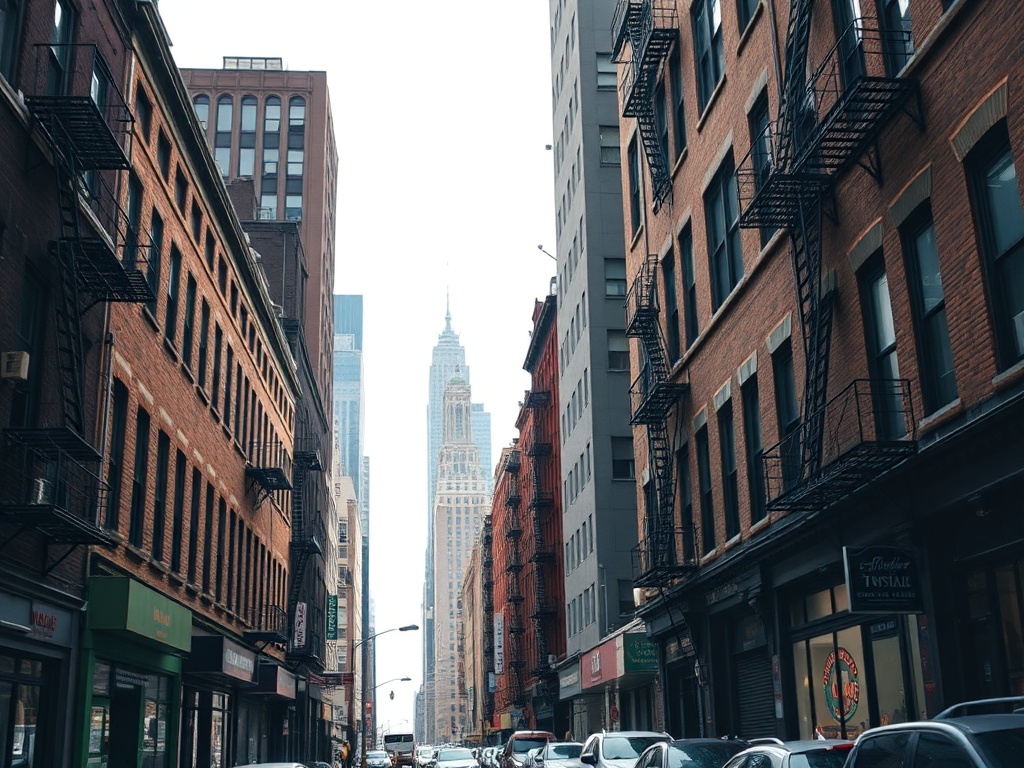
Lower East Side: A Compact Guide to Food, Culture, and Authentic City Life
The Lower East Side (LES) remains one of the city’s most dynamic neighborhoods, where immigrant history, evolving nightlife, and a vibrant food scene intersect in a highly walkable area. Whether you’re looking for classic deli fare, up-and-coming galleries, or a late-night music venue, the LES packs big-city variety into a few lively blocks.
What to See and Do
– Food landmarks: Start with iconic delis and specialty shops. A legendary sandwich shop serves up hand-sliced pastrami and is perfect for a casual, hearty meal. Nearby, bagel-and-smoked-fish counters and artisanal appetizing shops offer classic tastes that reflect generations of east-side immigrants.
– Markets and halls: A bustling public market is a great place to sample local vendors—produce, baked goods, international bites, and chef-driven stalls make it ideal for brunch or a quick snack between stops.
– Museums and history: Small museums and guided tenement tours reveal the neighborhood’s immigrant roots and daily life of past residents.
These intimate visits bring neighborhood history to life and are especially rewarding when paired with a walk along Orchard Street or Eldridge Street.
– Art and street culture: Galleries and street art abound.
Small contemporary galleries open regularly, while mural-covered alleys offer bold photo backdrops. Exploring side streets reveals rotating public art and independent exhibitions.
– Nightlife and music: From intimate music clubs to rooftop bars and speakeasy-style cocktail lounges, LES nightlife suits a range of moods.
Indie music venues host emerging artists most nights, and there’s often live jazz in more intimate settings.
Shopping and Style
Orchard Street and surrounding blocks are known for vintage shops, independent designers, and boutiques that blend retro styling with modern design. Bargain hunters will find everything from curated vintage denim to handcrafted jewelry.
For a true neighborhood feel, combine window shopping with stops at artisanal bakeries and specialty grocers.
Parks and Streetscapes
Green pockets and linear parks provide a quiet contrast to busy retail corridors. A stroll through community parks or along tree-lined streets offers a moment of calm and a chance to watch everyday life—dog walkers, street vendors, and outdoor seating that spills onto sidewalks.
Practical Tips
– Getting there: The area is well-served by multiple subway lines and surface transit; arriving via public transit is usually faster than driving. Bike-share stations are plentiful for short hops.
– Best times to visit: Weekday mornings and early afternoons are ideal for markets and museums; evenings and weekends bring the livelier restaurant and music scene.
– Reservations: Popular restaurants and music venues often require reservations or advance tickets—book ahead for weekend plans.
– Accessibility and crowds: Some historic buildings and older venues may have limited accessibility; check individual sites before visiting. Expect crowds in peak evenings and during cultural events.
– Local etiquette: Support independent shops and eateries by considering cashless and small-card-friendly businesses. Tipping and polite queuing are standard practices.
Why Visit
The Lower East Side offers a rare blend of historical depth and contemporary creativity. It’s the kind of neighborhood where you can trace cultural stories through food and architecture while discovering fresh art and music scenes around the next corner. Plan a walking day that mixes essential stops with new discoveries to get the full flavor of this compact, ever-engaging neighborhood.