Penn Station: How to Navigate, What to Expect, and Key Upgrades
Penn Station is the nerve center of rail travel in the metropolitan region, serving Amtrak, two major commuter rail systems, and a rapid-transit link that connects to neighboring areas. Whether you’re a daily commuter, an occasional traveler, or a visitor passing through, understanding how the complex works and what improvements are occurring can make trips smoother and less stressful.
Layout and transit connections
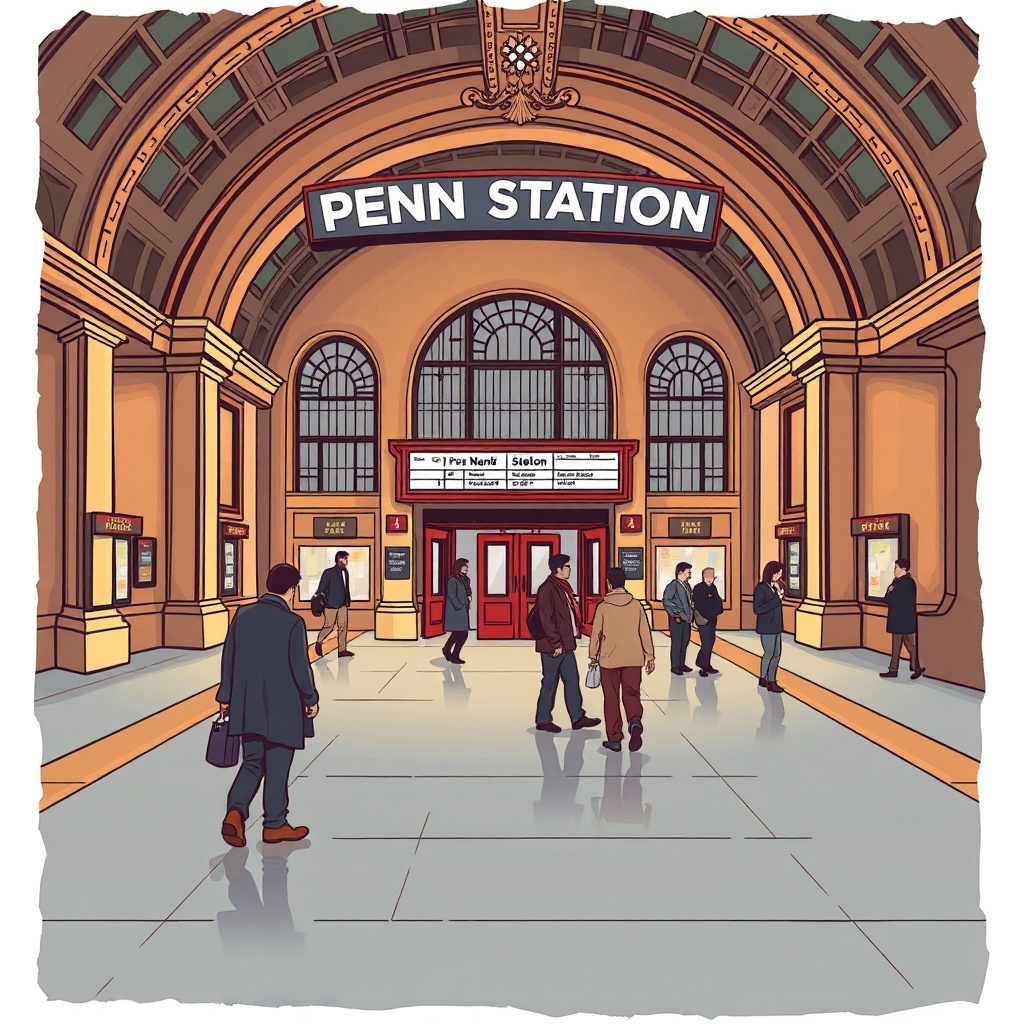
The station footprint is a complex of platforms and concourses under a busy Midtown Manhattan block. Amtrak and NJ Transit share tracks and platforms, while the Long Island Rail Road operates from its own concourse, with clear signage guiding transfers between services. PATH trains run from an adjacent concourse, offering a convenient connection to New Jersey.
Multiple street-level entrances feed into the underground complex; identifying which entrance aligns with your train or destination saves time.
Recent improvements and ongoing projects
Passenger flow has already benefited from the opening of a major adjacent train hall that relocated Amtrak’s ticketing and passenger areas into a light-filled space with retail and dining options. Meanwhile, multi-agency projects continue to focus on expanding capacity, improving platform access, and upgrading connections to regional tunnels. These efforts aim to reduce bottlenecks, add transparency to wayfinding, and create a more pleasant environment for the daily crush of travelers.
Tips for faster transfers
– Plan your route: Check platform assignments on official rail apps before leaving for the station.
Platform changes can occur close to departure time.
– Know your entrances: For LIRR, enter near the dedicated concourse; for Amtrak and NJ Transit, central and western entrances are often most direct.
– Allow walk time: Transfers between services and exits to street level can involve long walks and stairs — give yourself extra minutes, especially during peak flow.
– Use dedicated escalators and elevators: Accessibility features are available but can be busy; if you have mobility needs, arrive earlier and ask station staff for the nearest accessible route.
– Pack light when possible: Narrow corridors and crowded platforms make rolling luggage a challenge during peak periods.
Amenities and passenger services
Food, coffee, and quick retail options are now concentrated in the newer hall and selected concourses, while vending and kiosks remain scattered throughout the station. Ticket counters, staffed information booths, and digital displays provide real-time departure information; customer service teams can assist with connections and service alerts.
Security screening is limited to routine patrols and visible presence rather than large checkpoints, so allow normal waiting times rather than expecting extensive screening delays.
Safety and comfort
Peak travel periods bring dense crowds; keep personal items secure and leave extra time for moving through the concourse. Follow posted signage and announcements, and watch for platform edge warnings.
If traveling late at night, use well-lit entrances and consult station staff about the safest walking routes to nearby transit or ride-share pickup points.
Alternatives and nearby options
If Penn Station is congested or service disruptions occur, nearby terminals and cross-town options can provide alternatives. Local transit lines and shuttle services help bridge gaps, and intercity buses use curbside stops within walking distance. When planning a multi-leg trip, consider arriving earlier and booking flexible tickets to accommodate unexpected delays.
With steady investment and better passenger amenities becoming more visible, navigating Penn Station is increasingly manageable. Smart planning, awareness of layout, and using official transit apps will shave stress off any trip through this major transportation hub.